One of Taipei's most anticipated restaurant openings of the year is Polux, the casual French restaurant by Chef Paul Pairet, whose Shanghai flagship has long been one of the city's hottest tables to book. The restaurant also marks the Taiwanese debut of the chef behind the three-Michelin-starred Ultraviolet, which closed in March 2025 after redefining modern gastronomy for more than a decade.
But my excitement for Polux wasn't simply because I love French food. For years, Paul Pairet has also been a familiar face on French television as one of the judges on Top Chef France, a role he has held since 2020. Having followed the show religiously, finally meeting him in person in Taipei felt less like a restaurant visit and more like crossing something off my culinary bucket list.
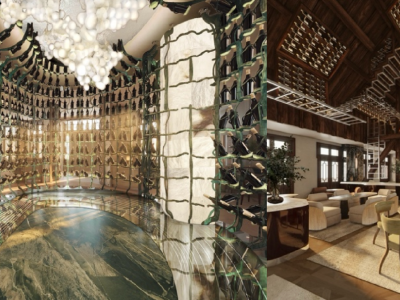
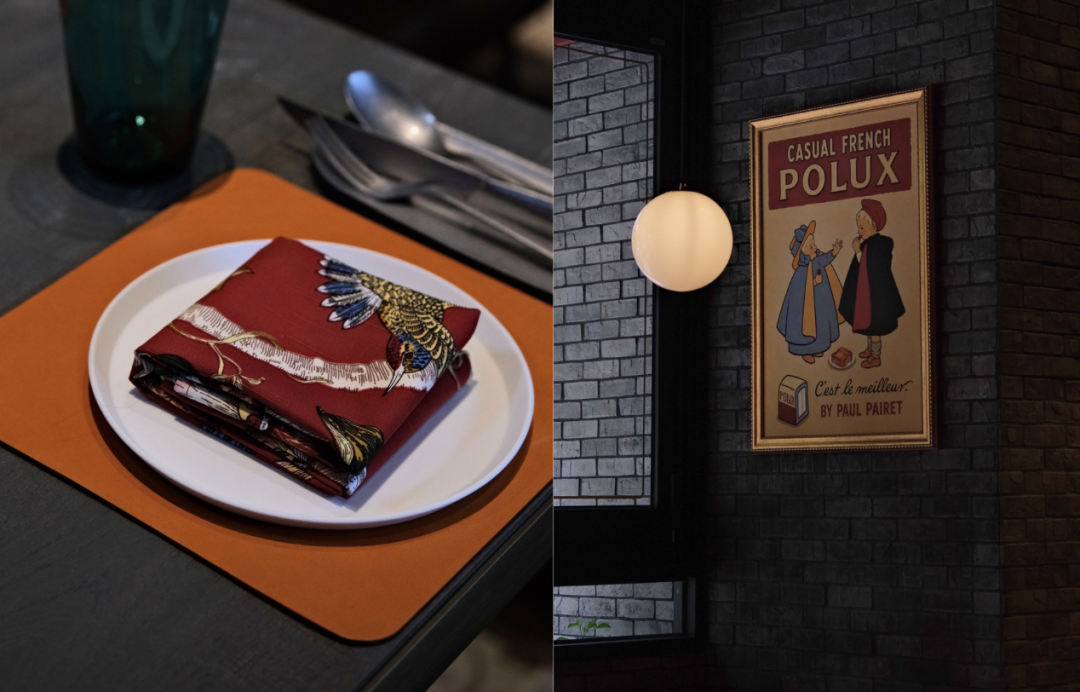
How would I describe Polux? Two words suffice: Casual French.Open all-day, the restaurant embraces the idea of an all-day French café—somewhere equally suited for brunch, lunch, aperitifs, or a casual dinner. Even before stepping inside, the vibrant pink, blue, yellow, and orange menu boards outside the entrance are impossible to ignore. Once indoors, the atmosphere feels unlike almost anything else in Taipei: Versailles-inspired ceilings, vintage mirrors and crystal glassware, boldly coloured napkins—every corner reveals another thoughtful design detail.
The first dish to arrive, sardines on toast, won me over immediately. Japanese sardines, lightly cured with lemon and salt, glistened with translucent fat atop perfectly toasted bread. The clean acidity and distinctive richness of the fish made for an incredibly refreshing bite. It was easy to imagine returning one afternoon for a glass of wine, ordering this again as the perfect finger food.
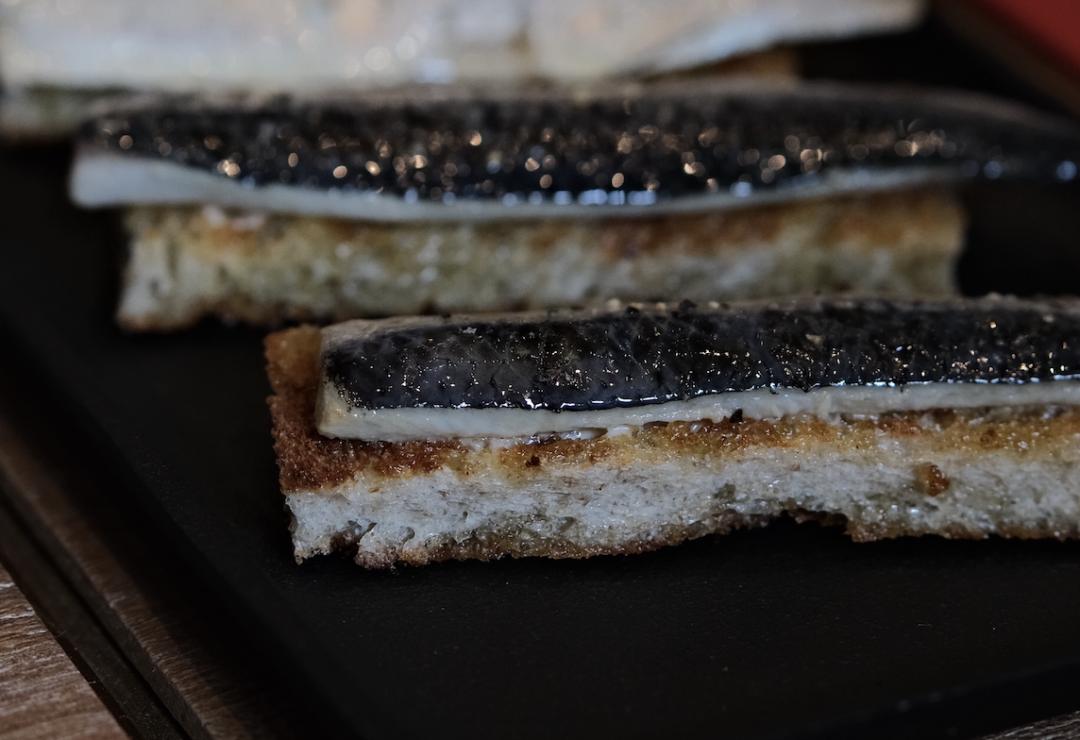 Sardine On Toast
The appetizers celebrated French classics. Foie gras and egg mimosa instantly transported me to a café in Paris, while the beef tartare—prepared with tenderloin and dressed in a soy-lemon cream emulsion alongside a quail egg—offered just enough acidity to balance its richness. The foie gras, infused with brandy, paired beautifully with sweet-tart figs and balsamic vinegar.
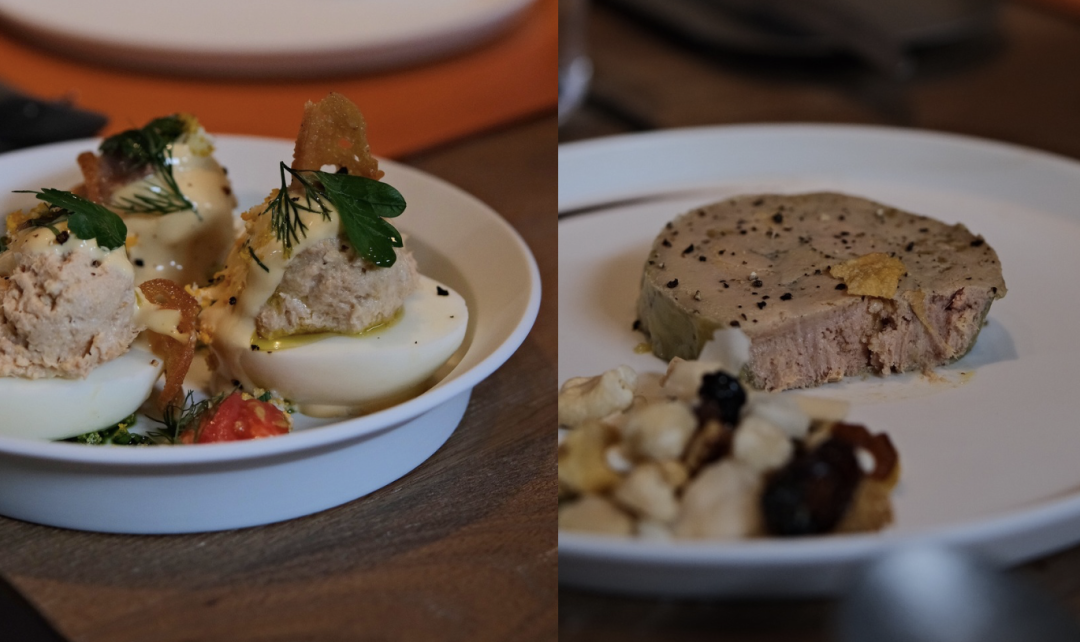 Egg "Mimosa" Mama (Left), Duck Foie Gras (Right)
The French onion soup offered an ingenious local twist. Instead of the traditional croutons, Polux uses youtiao, the Chinese fried dough stick, creating an even lighter, crispier texture. The deeply caramelised onions soaked up the broth into an intensely concentrated sweetness. Finished with melted Comté, it's easy to imagine this becoming one of the restaurant's signature winter dishes.
No discussion of Polux would be complete without mentioning its legendary duck confit, arguably the restaurant's signature dish in Shanghai. Its popularity became so overwhelming that, according to local lore, Polux was buying up so much duck from its supplier that other restaurants occasionally struggled to secure enough stock. Taipei's version was still being refined when I visited, but Chef Paul seemed genuinely pleased with another idea:goose confit, made with Taiwanese goose. The result was remarkable. Most of the fat beneath the skin had been carefully rendered away, leaving behind a shatteringly crisp exterior that never felt greasy. The meat itself was delicate and succulent, falling effortlessly from the bone with the lightest touch of a fork. Rich, aromatic goose fat permeated every bite, making it impossible not to keep reaching for another.
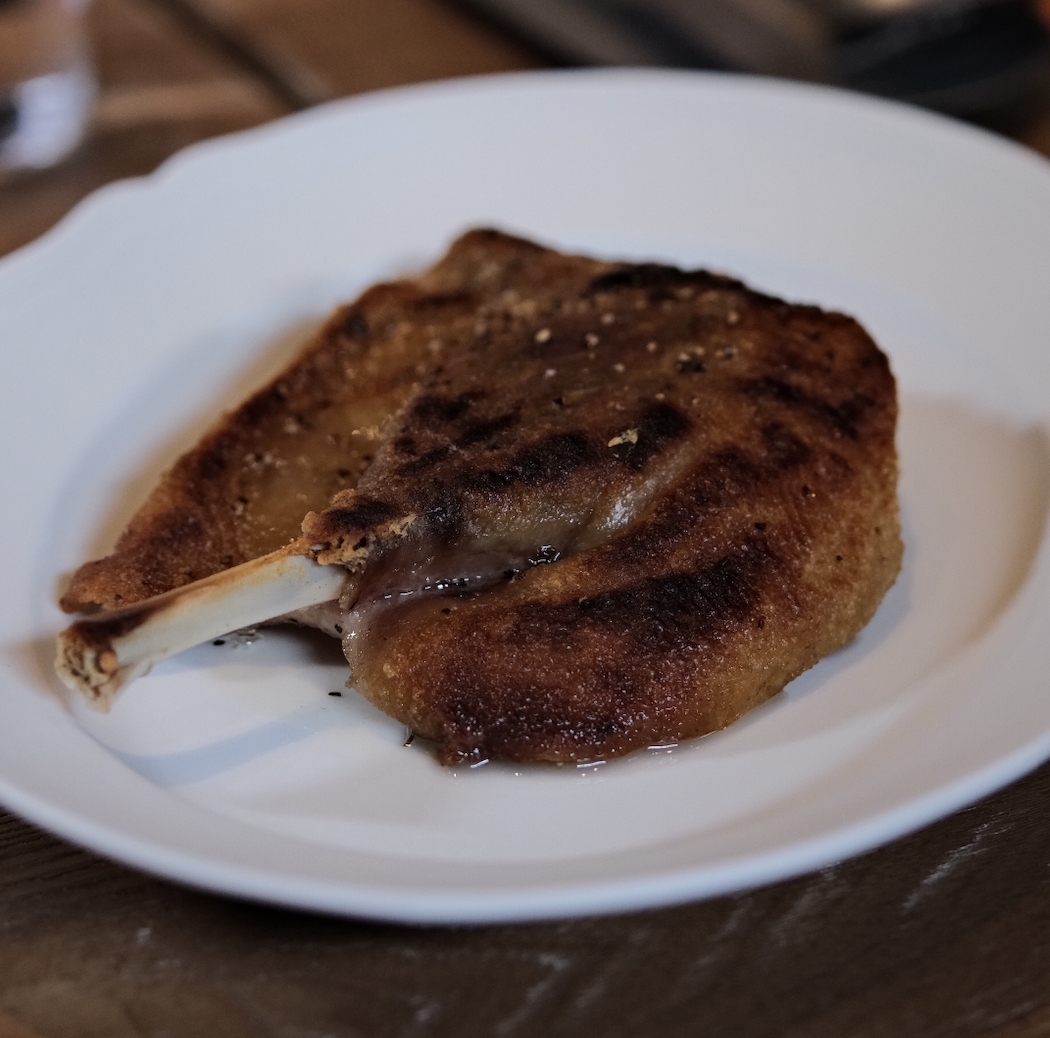 Goose Confit
The skin was, unsurprisingly, the highlight, but I found myself equally drawn to the bones—especially the cartilage and the gelatin clinging to them. Intensely savoury and deeply satisfying, they were the sort of morsels that practically demanded another sip of wine.I've always had a soft spot for goose. From goose fat rice to goose intestines and gizzards, they're among my favourite local delicacies. Yet goose prepared as confit was something I had yet to encounter in Asia. Then again, perhaps it shouldn't be surprising. Many of my Japanese friends insist that Taiwanese goose is one of the country's most underrated ingredients. Even those who skip the night markets almost always make a point of seeking out goose rice. With such an exceptional local product readily available, why not let it shine through a classic French technique?
The grilled seabass came with what proved to be the dish's defining element: Pastis aioli. Its delicate notes of anise, citrus and Mediterranean herbs instantly transported me to the Côte d'Azur. The silky flesh, paired with the aromatic sauce, evoked the feeling of dining somewhere along the French Riviera. The first time I encountered Pastis was during my student days in France. A friend of mine handed me what looked like a bottle of mineral water. As I lifted it to my nose, however, an intense burst of anise hit me before I even took a sip. Only then did I learn that the drink was actually Pastis diluted with water and ice—a beloved apéritif on hot summer afternoons. At first, I found its aroma way too strong to be appreciated. But, like so many acquired tastes, familiarity gradually turned into affection. Today, that unmistakable fragrance has become something far more meaningful: the taste of memory.
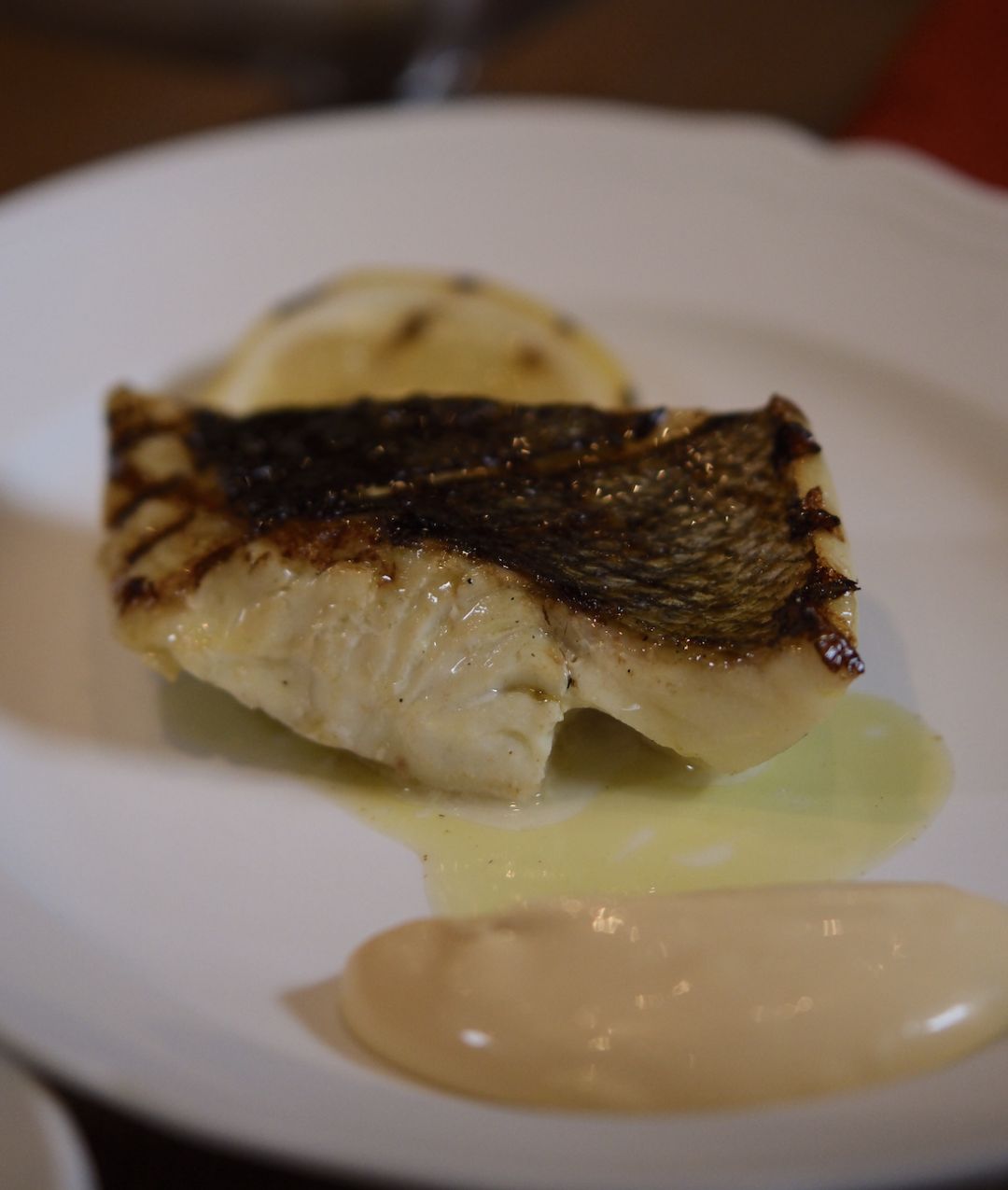 Grilled Seabass
The golden pork chop showcased an ideal balance of lean meat and fat. The richly marbled sections highlighted the natural sweetness of Taiwanese pork at its best. Accompanying it was Sauce Grenobloise, a classic French butter sauce originating from Grenoble. Built upon browned butter, brightened with lemon and capers, and layered with fragrant herbs, it is more commonly paired with white fish, scallops or vegetables. Here, however, it felt perfectly at home alongside pork, with the nutty aroma of beurre noisette adding another layer of depth without overwhelming the meat.
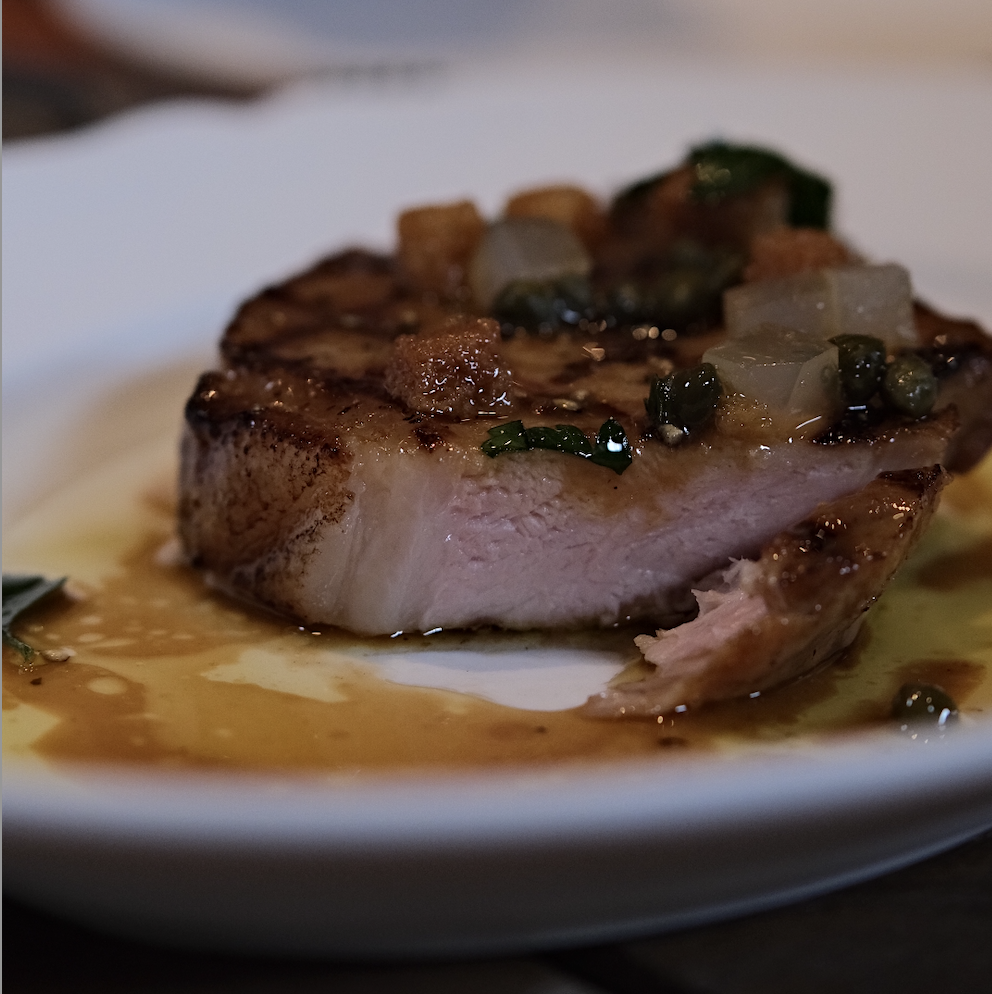 Golden Pork Chop Grenobloise
The fondant peppered beef cheek lived up entirely to its French description:fondant—literally, "melting." It was unbelievable tender that it barely required a knife. I found myself trying to identify the subtle sweetness beneath the peppery richness, only to discover that the beef had been lightly brushed with teriyaki glaze before serving. The result was an unexpectedly delicate caramelised crust, where sweet soy notes intertwined beautifully with the warmth of black pepper.
Another Shanghai favourite, The Real French Toast, has also made its way to Taipei. After soaking for hours in a rich vanilla custard, the brioche is pan-fried in butter until the exterior develops a crisp shell reminiscent of the caramelised crust on a crème brûlée. Beneath that lies an impossibly soft interior, somewhere between bread pudding and warm custard. Served with a scoop of vanilla ice cream, it is a study in contrasts—hot and cold, crisp and creamy, rich yet surprisingly light. The soy caramel ice cream was equally memorable. Deeply caramelised without veering into bitterness, its flavour reminded me of traditional Taiwanese tofu pudding, where the soy milk occasionally catches ever so slightly at the bottom of the pot, producing a subtle smoky, almost wood-fired aroma. A touch of soy sauce further deepened its complexity, much in the same way that sea salt or miso enhances caramel.
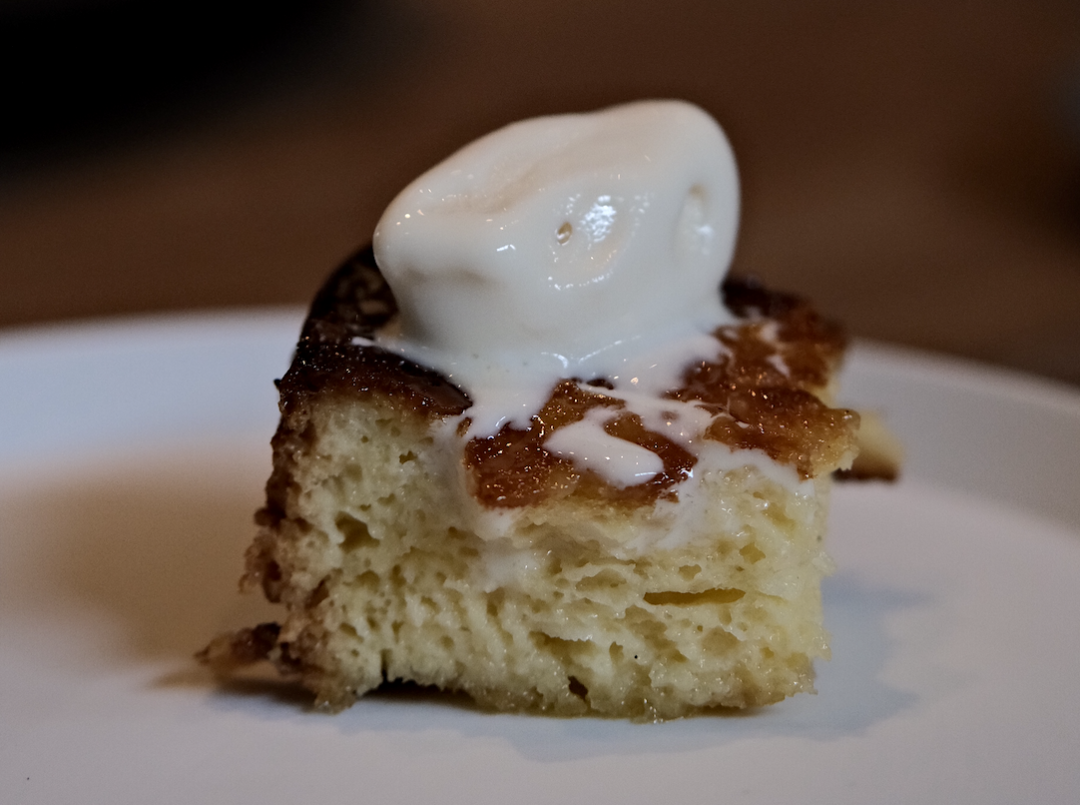 The Real French Toast
Yet even as everyone around the table happily surrendered to the French toast, Paul Pairet remained unconvinced."It's not there yet," he admitted.I initially assumed the issue lay with the ingredients. Instead, Chef Paul explained that the biggest challenge was the equipment. Something as seemingly insignificant as a frying pan can alter the outcome entirely. Different materials conduct and retain heat differently, meaning cooking times and temperatures must be recalibrated from scratch. Changes in burner power also affect the Maillard reaction, making it far more difficult to achieve the precise caramelisation that defines the dish.
It became obvious that his promise of bringing "the real Polux" to Taipei was never just a marketing slogan.The restaurant underwent sixteen months of preparation before opening. Paul Pairet himself arrived in Taiwan a full week ahead of launch and spent virtually every waking hour in the kitchen, tasting, adjusting, refining, and tasting again—all in pursuit of reproducing the exact flavours he had envisioned. I recall how he described himself on his website:"French born, globally stamped, and stubbornly perfectionist." How accurate.
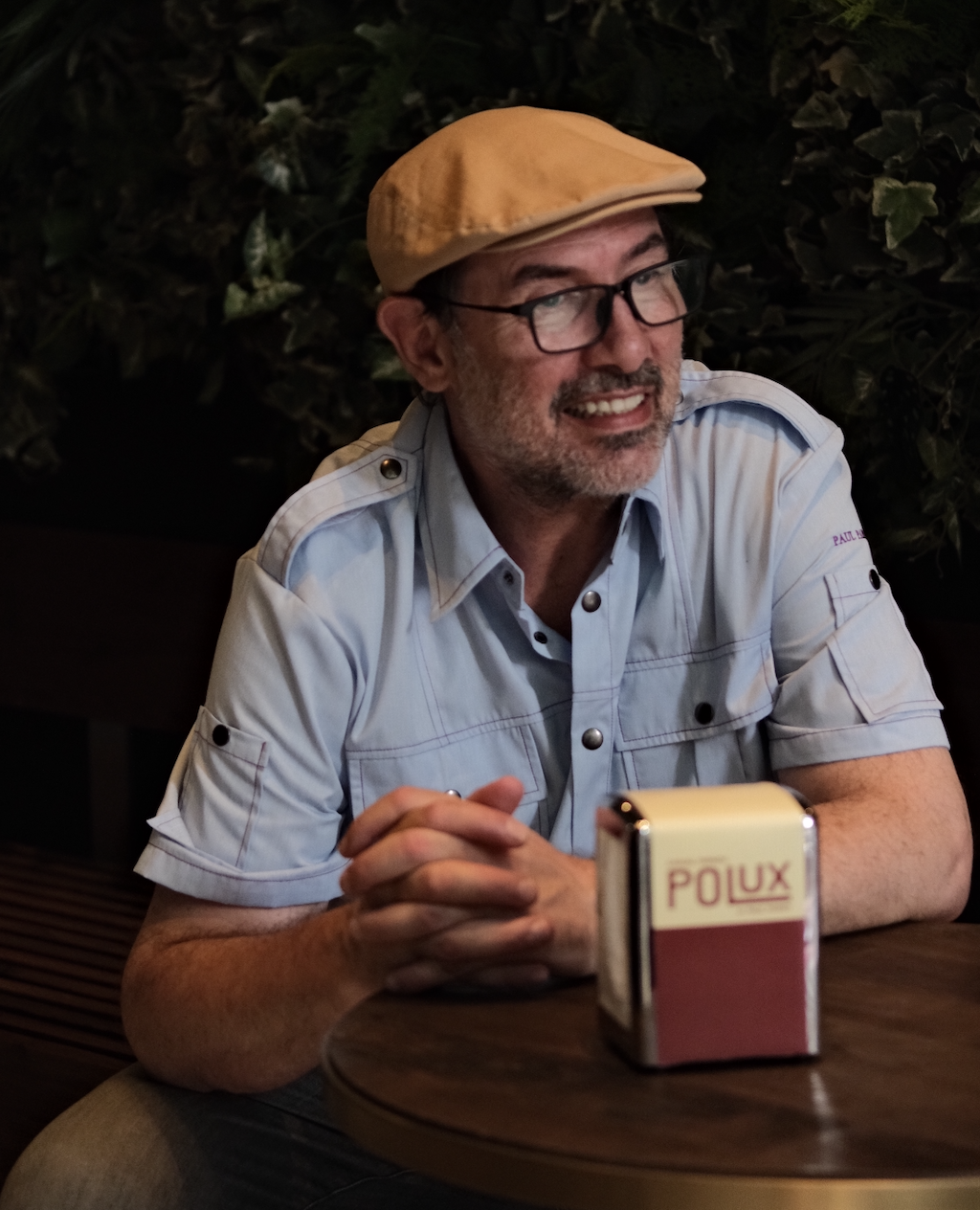 Chef Paul Pairet
Born in Perpignan in southern France, Pairet first came to prominence at Café Mosaic in Paris. After working across Hong Kong, Sydney and Jakarta, he gradually forged a culinary identity that remained unmistakably French while refusing to be confined by French tradition.His cooking attracted widespread attention, with critics frequently comparing Café Mosaic to Alain Ducasse's Spoon. Ducasse himself was so impressed that he personally arranged Pairet's next appointment at Cam, the Ritz-Carlton restaurant in Istanbul.
Shanghai became the next defining chapter. In 2005, Pairet opened Jade on 36 at the Pudong Shangri-La Hotel, quickly establishing it as one of Asia's most exciting fine-dining destinations. That success laid the foundation for an extraordinary restaurant empire: Mr & Mrs Bund, the revolutionary multisensory restaurant Ultraviolet—which held three Michelin stars until its closure in 2025—and eventually Polux, his relaxed all-day French brasserie. His ambitions extended well beyond Shanghai. In Paris, he partnered with the legendary Hôtel de Crillon to open Nonos & Comestibles, while in Singapore he introduced two contrasting concepts at Resorts World Sentosa: Moutarde, a French carvery-bistro, and Sundae Royale, an artisanal ice cream parlour.
French food critic François Simon—widely believed to have inspired Anton Ego in Ratatouille—once described Pairet as: "Masterful, turbulent and totally unpredictable."Meeting him in person, I was struck by something else entirely. Towering in stature yet unexpectedly playful, Pairet possesses an almost childlike curiosity. Asked what had impressed him most about Taipei, he spoke not of famous landmarks but of wandering through its narrow alleyways, delighting in the unexpected discoveries hidden around every corner. Night markets fascinated him for an entirely different reason. Rather than focusing solely on the food, he found himself studying the equipment used by street vendors, constantly wondering what techniques or ideas could be adapted into a restaurant kitchen.
At a time when fusion cuisine and hyper-local cooking dominate global gastronomy, Paul Pairet has chosen to move against the current. Rather than reinventing French cuisine through Taiwanese ingredients, he insists on presenting Polux as an unapologetically authentic French restaurant without compromise.I guess there will be far less complaints about having no authenntic French food in Taipei?
.I guess there will be far less complaints about having no authenntic French food in Taipei?