The foie gras raspberry lollipop was my first impression of Amber. Rich, silken foie gras melted on the tongue like chocolate, while the sweetness of raspberry unfurled slowly in the finish, brightening the overall richness of the dish. The two melded together in the mouth and turned impossibly light.
I've never been a fan of offal. Perhaps it was simply that I hadn't had good offal before that day. During my university internship, I dined at Amber — my first fine dining experience after stepping into the working world. Looking back now, fourteen years have passed, yet the delicate, exquisite flavour composition of that foie gras lollipop still lingers in my memory. That year, Amber held two Michelin stars.
In the years since, studying and working abroad took me away from the Guangzhou & Hong Kong region, but Amber never left my mind. Whenever I planned a trip with the intention of dining there, I would talk myself out of it, afraid that years of anticipation might end in disappointment. In 2025, after sixteen years at two stars, Amber finally earned its third. Among thousands restaurants featured in the Michelin Guide worldwide that year, only 35 held the highest distinction of three stars plus a Green Star, and only four of them were in Asia. Amber was one of them.

Amber's complete renovation in 2019 marked a full transformation built around sustainability. Alongside reducing its carbon footprint, the restaurant turned its attention to the environmental damage caused by industrial farming and animal welfare. But becoming a completely dairy-free French restaurant is no small feat. That challenge never held Amber back — instead, soy, rice, nuts and other plant-based ingredients stepped in as substitutes for dairy. Visiting in person this past mid-June, none of these changes compromised the food's flavour or the overall dining experience in the slightest.
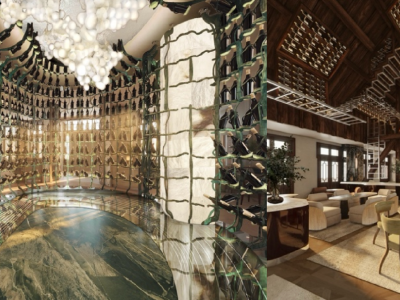
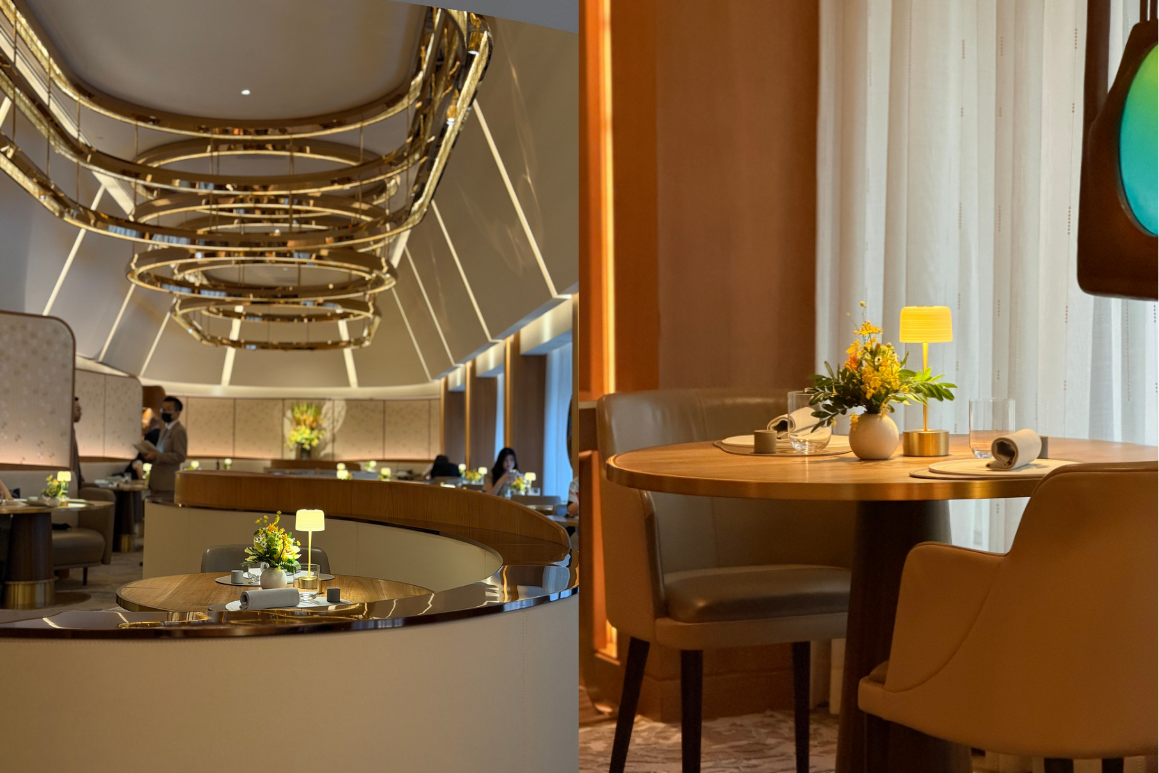
Amber 2.0 feels distinctly contemporary. The thousand-odd gilded bronze pipes that once lined the ceiling have been replaced by round copper pendant lamps, softening what was once a slightly harder-edged tone into something warmer and more composed. Natural warm hues now dominate, the space feels brighter overall, and the sinuous, sculptural design reads as effortless yet elegant and inviting. The white tablecloths are gone, replaced by gold-trimmed wood tables and leather placemats. The tabletop setting remains as spare as it has been for years, and the lighting stays focused without ever glaring, its beam neither too wide nor too narrow, covering exactly what it needs to. As someone who has spent more than a decade working the floor at French restaurants, I couldn't help but be struck by just how much thought went into something as small as the lighting.
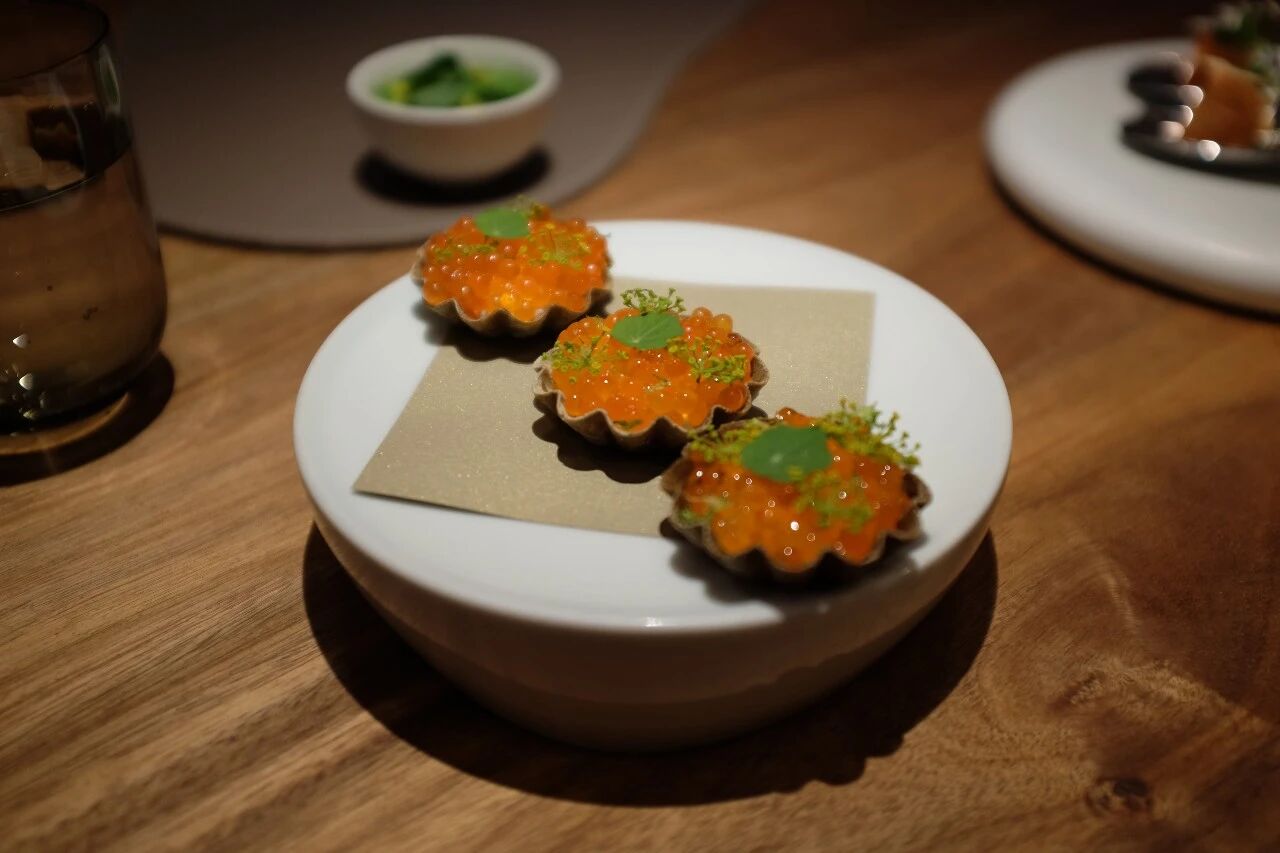
The welcome bite is a buckwheat-and-seaweed tart shell, holding fennel flower and salmon roe. The roe bursts one by one between the teeth, sending a wave of savoury salinity straight through, while a smoked salmon mousse underneath — dense and silky — reins in that briny pop just enough. This small bite looks unassuming, but it already lays Amber's entire approach on the table: texture before richness, layering before intensity.
Next comes a cold course built on peas. Smoked trout rests on a bed of pea purée, topped with a thin trout-skin crisp, its crunch clean and precise. The first bite carries the smoky char, then the pea purée's sweetness follows, cutting a sharp, clear line between sweet and salty without a trace of delaying.
The pea panna cotta that follows was one of the biggest surprisse of the meal. A green pea jelly sits at the bottom of the cup, topped with a layer of panna cotta — cool at first bite, then melting, its texture landing surprisingly close to douhua, right down to that same lingering bean fragrance. This trick of using plant-based ingredients to mimic dairy's texture is perhaps what Amber does best since its transformation — seamless, with nothing forced about it.
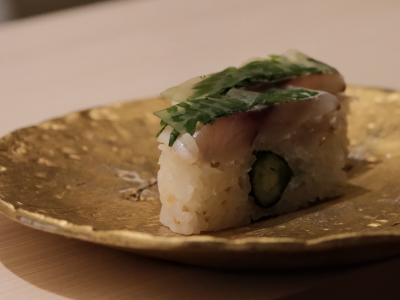
Japanese sardine is cured in konbu, served with crystal pear and shiso oil, finished with a lightly thickened seafood broth. The konbu's savoury salinity brings out the sardine's oils even more, the crystal pear resets the palate, and the shiso oil's aroma lingers in the nose before it fades. The broth is reduced to a concentrated depth without tipping into heaviness, its umami built up in solid, deliberate layers.
What truly confirmed that my years of waiting hadn't been wasted was the signature sea urchin dish. Hokkaido sea urchin sits on a cauliflower mousse, layered over lobster jelly, finished with a spoonful of caviar, alongside a seaweed rice cracker carrying a distinct oceanic flavour. The lobster bisque underneath is powerfully flavoured, pushing the whole dish's savouriness to its peak, and the caviar is no mere garnish — it's a genuine, deliberate addition of savouy depth. This dish's history actually predates Amber 2.0 entirely — it was already a signature back in the Amber 1.0 era, which opened in 2005 and earned its first Michelin two stars in 2009. In 2016, the chef briefly considered retiring it from the menu, a move that sparked an unexpected #occupyamber protest among loyal regulars. It was ultimately kept when Amber transformed into 2.0 in 2019, with the cauliflower mousse reworked using coconut oil and almond milk in place of the original cream and butter, finished with whipped soy cream — its silkiness in no way inferior to the dairy version. Twenty years on, this dish still firmly anchors the meal's high point, which explains why it has become Amber's single most irreplaceable calling card.
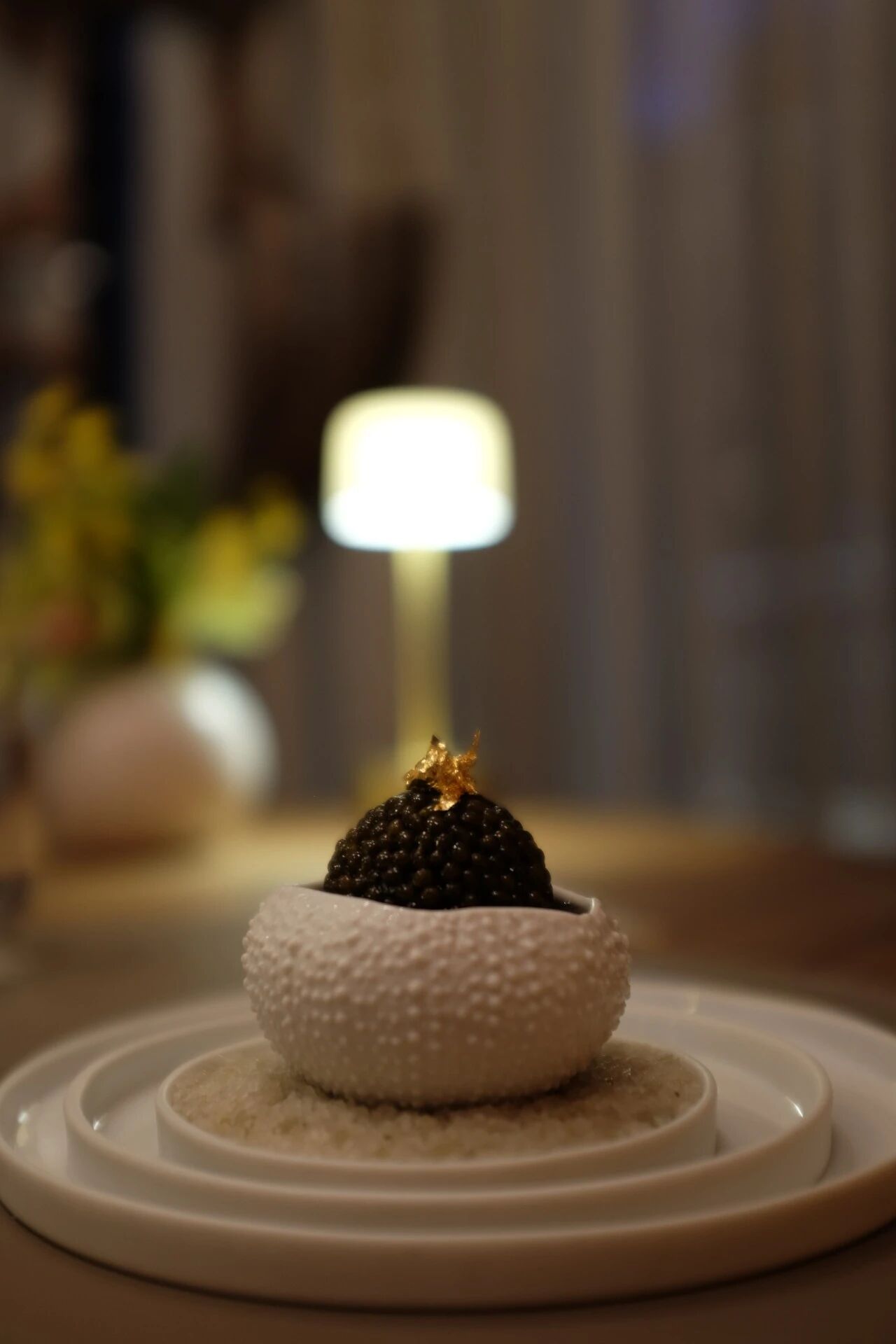 Signature Dish: Sea Urchin, Cauliflower, Lobster Jelly, Caviar
Before the main courses, the service team led us down a corridor lined with photographs, introducing along the way the guest chefs who have collaborated with Amber over the years. The kitchen itself, once we stepped in, was calmer and more orderly than I'd expected. Rows of copper extraction hoods hung above the stainless steel stations, and at the centre stood a touchscreen display, updating each table's order progress and timing in real time. The chef de cuisine stood in front of it, studying it the way one might study a battle map.
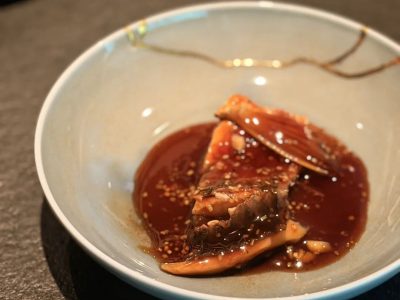
Staff led us to the counter, where they first poured a glass of White Peony sparkling tea, explaining it was meant to pair with, and cut through, the richness of the dish to come. Next, a junior chef took over, introducing the glass jar sitting on the counter — inside, scallop skirts cured into an Asian-style fish sauce, aged for more than six months. In front of us, scallops sat on a small charcoal grill, their surfaces seared to a caramel colour. As he assembled our next course, the young chef explained patiently: the crisps arranged on the tray beside it were made from whole scallops, pressed flat and dried, delivering a savoury, fibrous quality reminiscent of dried cod floss. Wearing gloves, he carefully brushed a honey-and-vinegar marigold purée over the scallop's surface — its sweet-tart aroma was genuinely appetite-whetting — his movements light but sure. The plate carried two sauces: a dark one made from fermented bell pepper with Sichuan peppercorn, sweet up front with a tingling kick that follows; and a yellow one, a marigold sabayon, into which that six-month-aged scallop fish sauce was folded, giving it a long, savoury finish. The scallop itself was lightly caramelised on the outside, still translucent and tender at the centre — paired with the crisp's savoury fibrous texture, this was the course that most completely balanced dry against moist, crisp against soft.
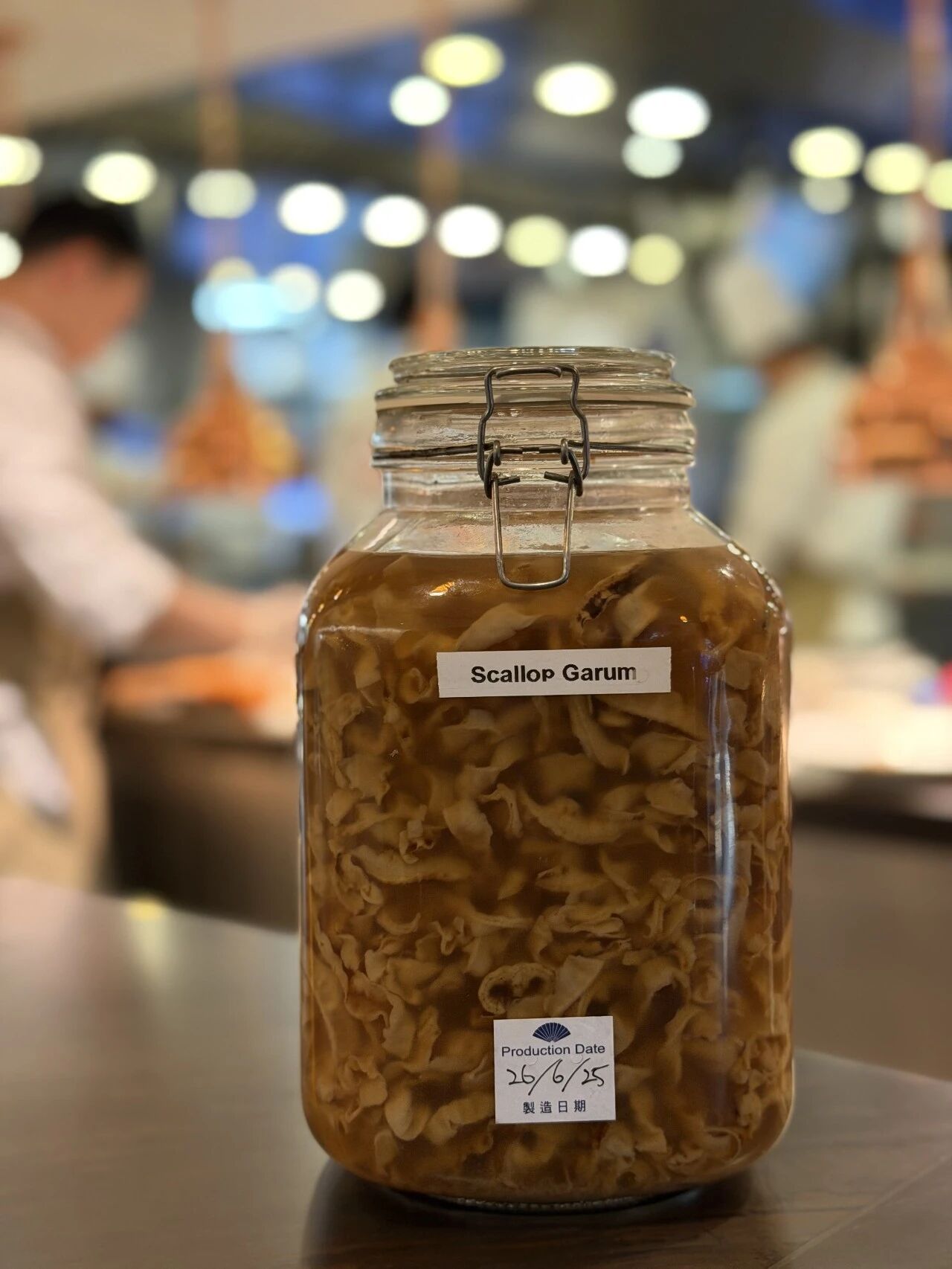 Scallop Skirts
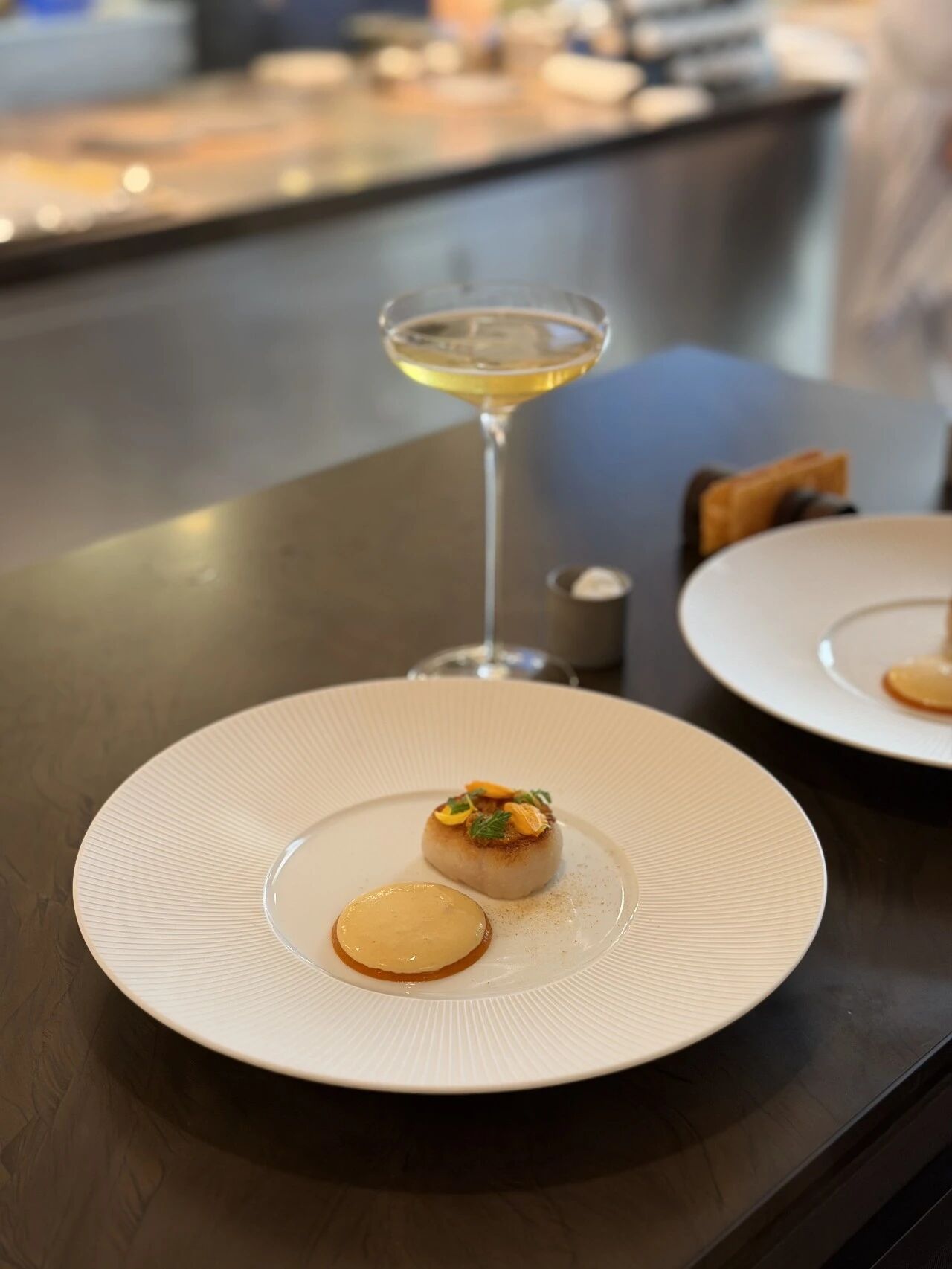 Scallop, Marigold, Bellpepper, Sichuan Peppercorn
Back at the table, bread and butter was served. The butter, made with soy milk and miso-soy seasoning, carried a distinct nutty aroma with a trace of soy sauce lingering in the finish — rich without being overbearing, the kind of pairing that makes it hard to stop at just one piece.
Moving into the fish course, kinmedai, which was also referred as the red eye snapper, was first sous-vide, then finished over charcoal, its skin rendered impossibly thin and crisp, carrying the smoky char of the grill. Alongside it sat turnip purée, cauliflower, and clams dressed with shiso, with rounds of white radish underneath. The sauce carried a smoky, savoury note reminiscent of plant-based ham, giving the fish's natural sweetness even more dimension. The contrast between the crackling skin and the fish's own delicate tenderness is what makes this dish so memorable.
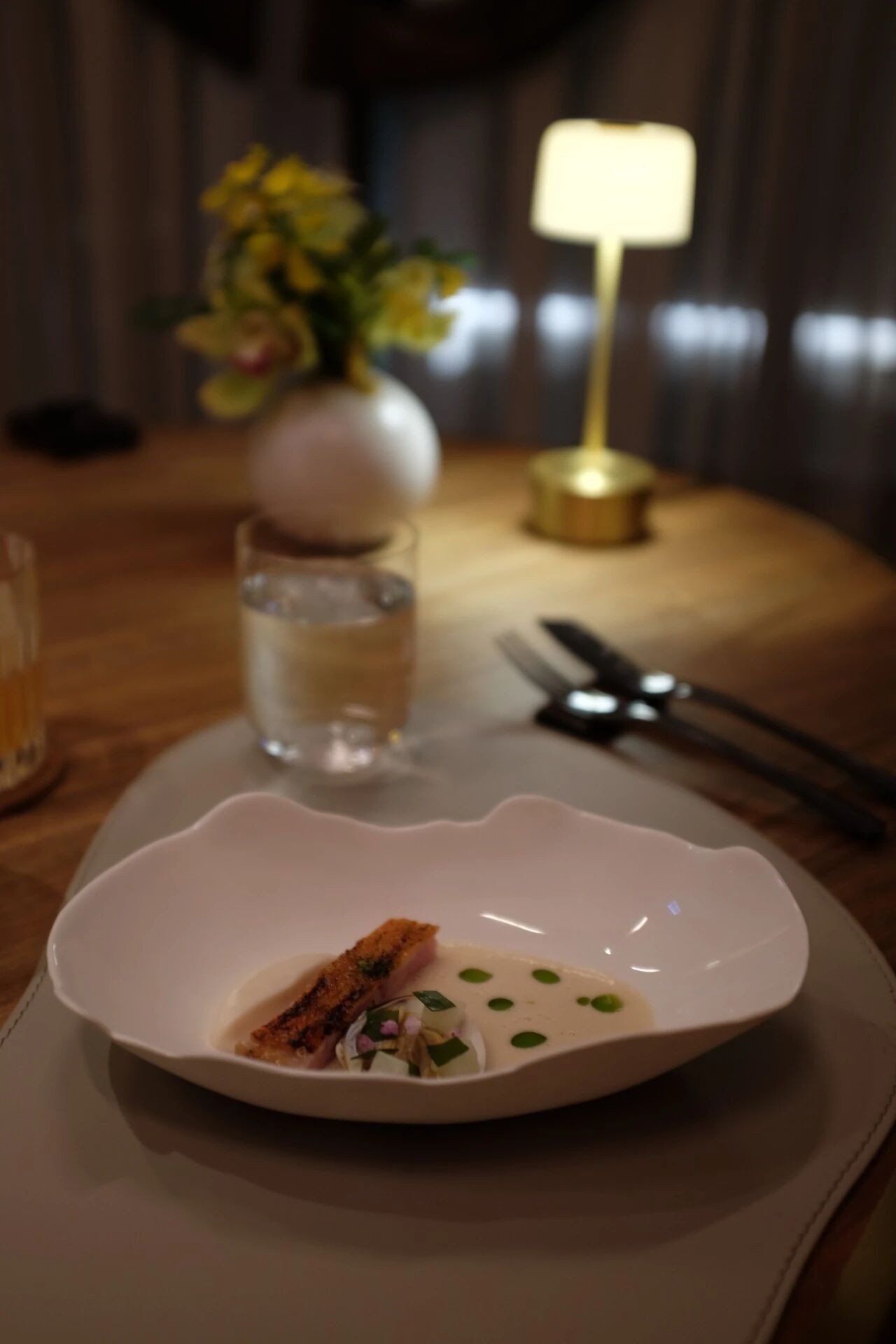 Kinmedai, Clam, Turnip
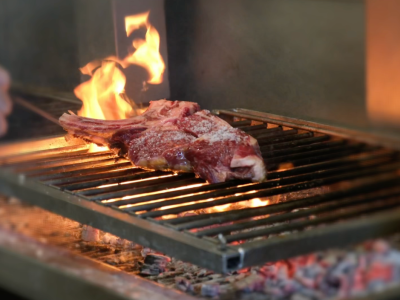
For the main course, I chose Japanese A4 wagyu, served with charred cabbage, slow-cooked veal, and grilled chanterelles, finished with a truffle sauce and black pepper sauce. Tucked inside the tart shell was the aroma of a scallion cracker — a small surprise you only discover once you bite in. The veal was extraordinarily delicate and tender; the pan-fried veal sweetbread had a firmer bite; and the pan-fried tendon and shank were crisp on both sides while staying soft at the centre. Laying out such different textures from the same animal in one go was an honest display of the kitchen's technical range.
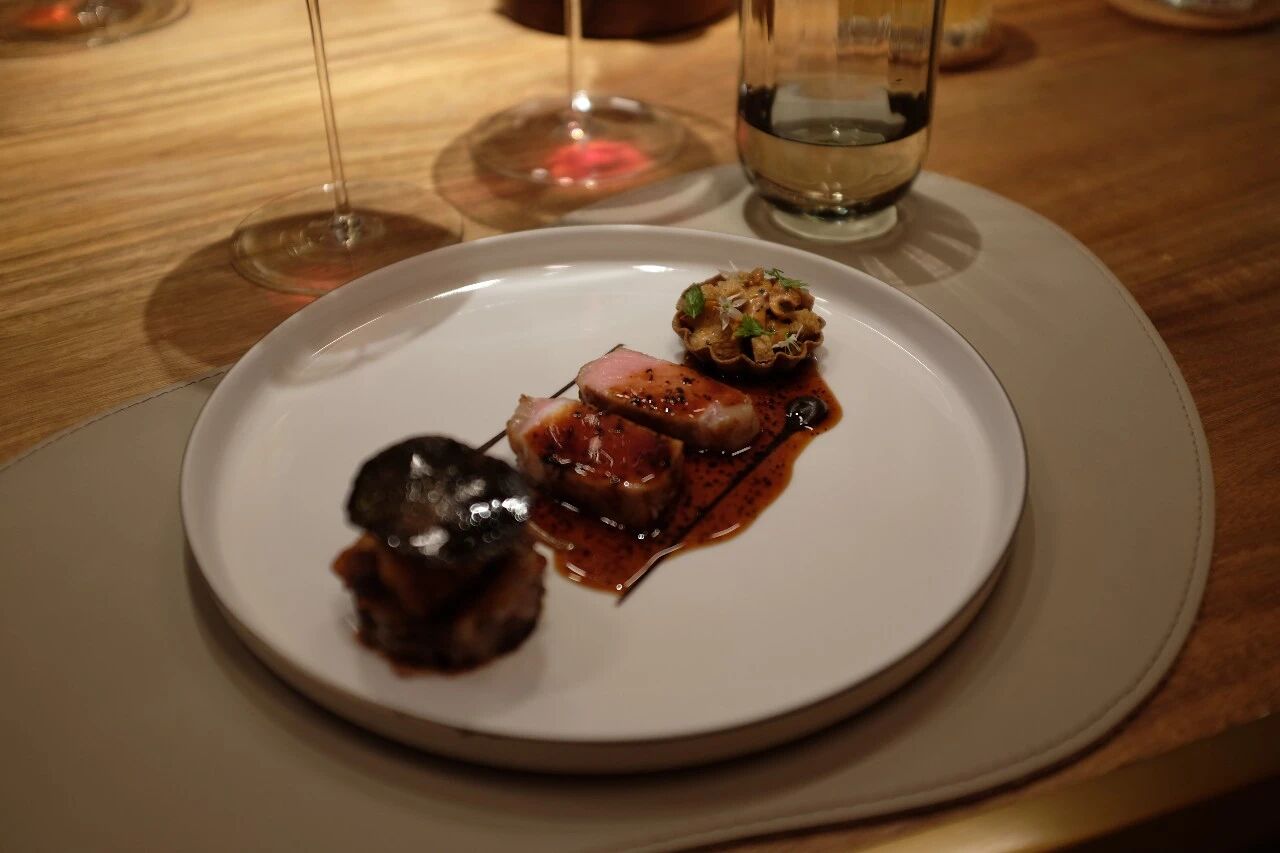 A4 Wagyu, Sweetbread, Chanterelles
Dessert opened with fresh Irwin mango, paired with coconut foam and a coriander crystal ball, sago pearls tucked at the centre, with a few tart, unripe-mango-like flecks running through it. The mango-coriander sorbet pulled the sweetness back just enough, and coriander's herbal note paired with mango more naturally than expected — the kind of clean, refreshing finish that leaves you wanting a second helping.
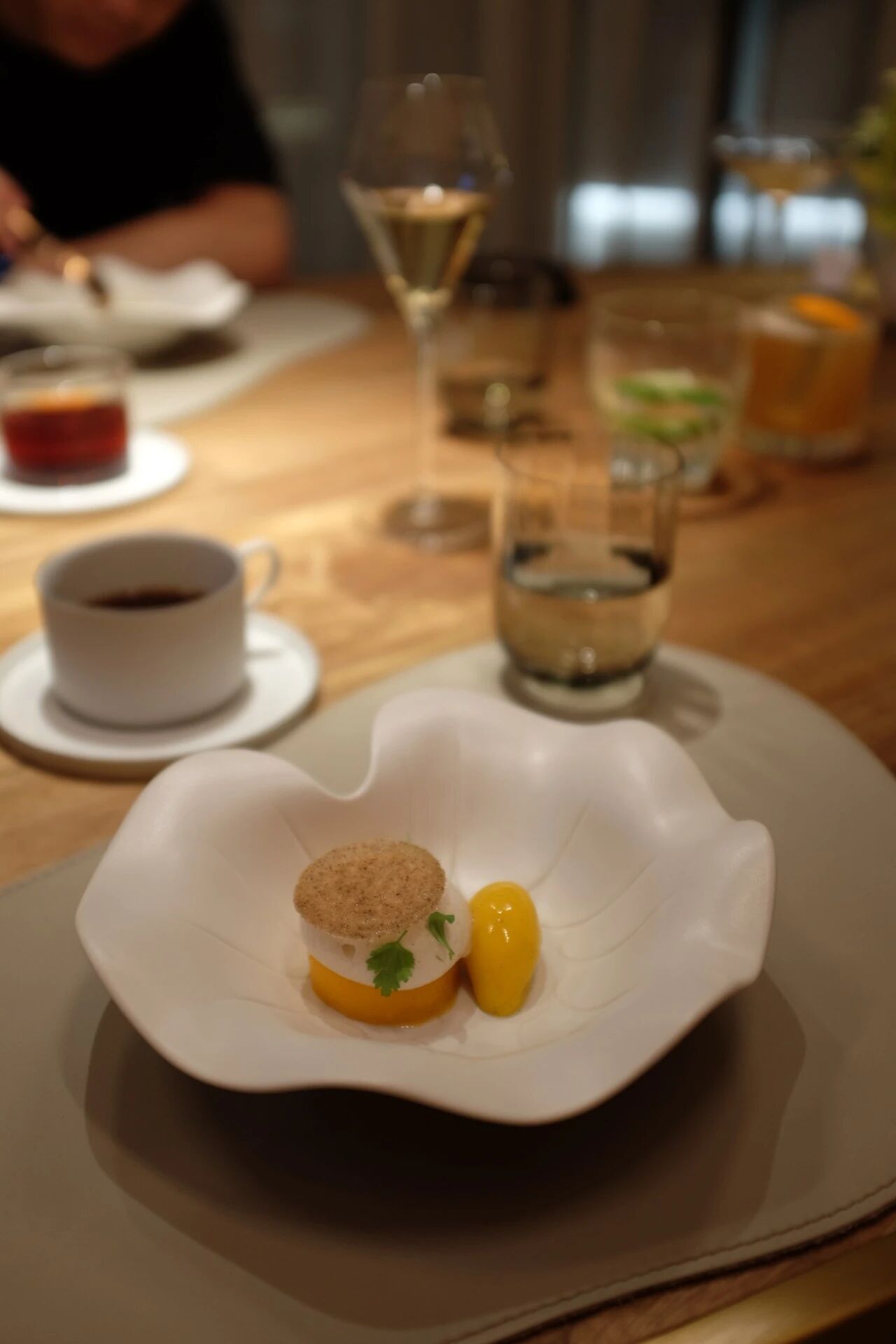 Irwin Mango, Coriander, Coconut, Sago
The second dessert leaned rich: an herbal liqueur jam with vanilla vermouth, chocolate-and-peppercorn sugar crisps, chocolate cake and cumin foam, finished with a fennel seed vanilla sorbet. The cumin foam was the most unexpected element here, cutting through the chocolate's sweetness with a touch of spice, while the fennel seed left a clean, cooling finish.
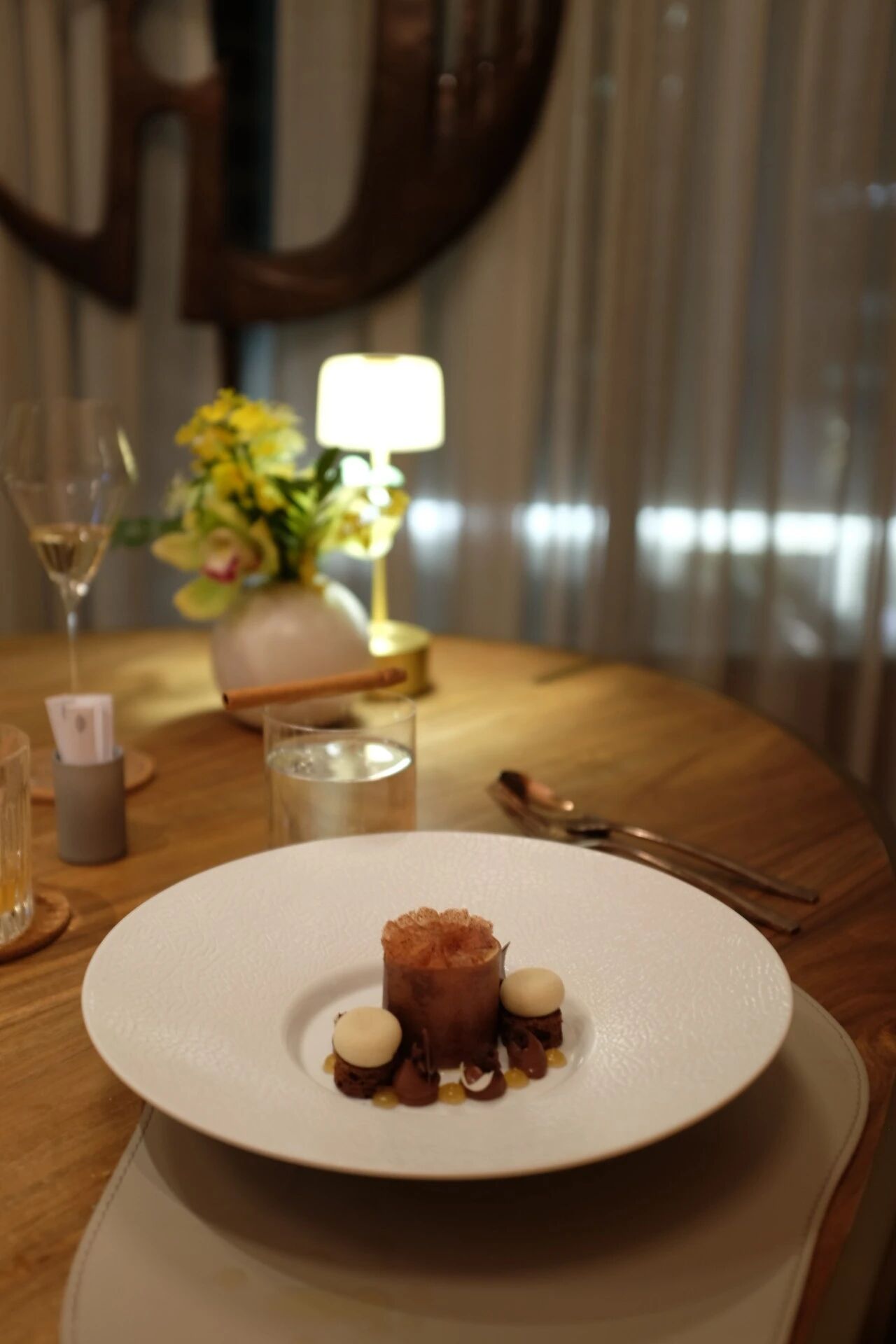 Dominican Dark Chocolate, Fennel Seed, Vanilla
The final petit four trolley was generous. Buckwheat sesame madeleines came out impossibly light; kiwi tartare paired with black sesame mousse and black sesame crisps; there was also yellow dragon fruit, lychee, and pineapple, plus a Brazil nut and chocolate crisp that snapped satisfyingly with each bite.
Before we left, the sommelier took us to see the wine cellar. Wooden racks stacked floor to ceiling, bottle after bottle lying in quiet rows, the varying shades of wax on their necks reading like a silent index. Towering shelves rose on either side, and standing right in the middle, looking down the row, gave the sense of being enveloped by both time and the scent of wine at once. A few standout vintages had been pulled and laid flat for display, labels facing up, quietly speaking to the depth of this collection. It was the quietest few minutes of the entire evening, and it made me realise that Amber's obsession with detail extends even to the places guests never see.
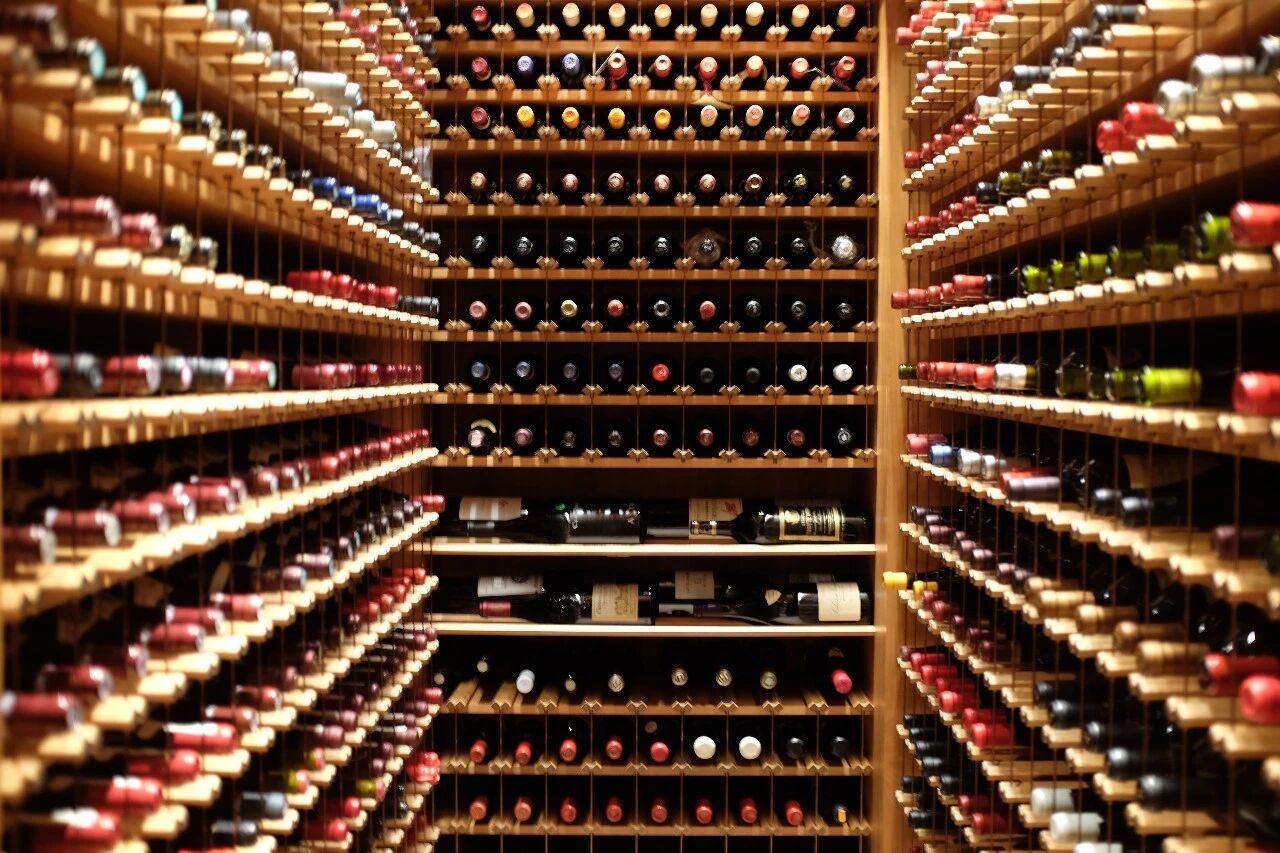 Wine Cellar
By the end of the meal, I had confirmed one thing: the memory left by that foie gras raspberry lollipop fourteen years ago hadn't been distorted or exaggerated by time. Amber has changed its skin, but its bones remain the same — still the kind of restaurant that thinks through every last detail and executes it precisely. Three stars. Well earned.
Cover: Tina Hsieh
Photo: Tina Hsieh
Article: Tina Hsieh