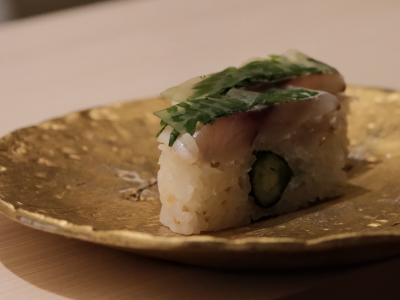
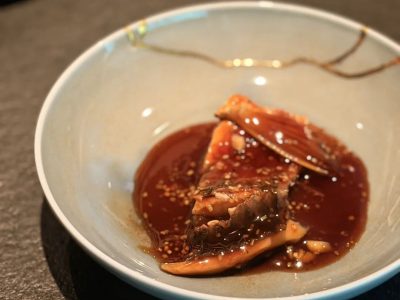
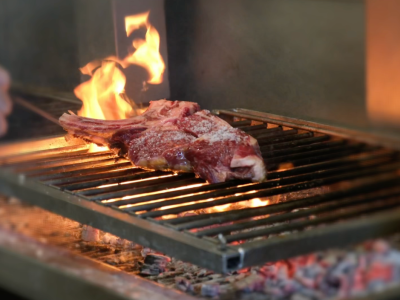
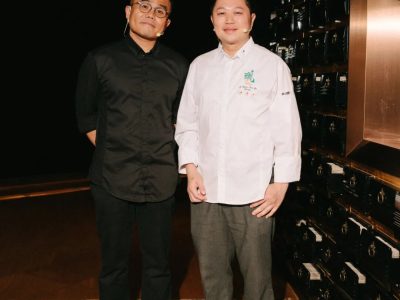
For the first time, the Michelin Guide for Shanghai, Jiangsu, and Zhejiang has been released as a combined edition.
After watching the full list and the awards ceremony, a foreign gourmet friend asked me just one question:
“Ten years—and this is it?”
I didn’t have an answer. A colleague asked me to write my thoughts. But what exactly is there to say? Ten years ago, when Michelin first arrived in Shanghai, I wrote critically about how rushed it felt. Looking back now, perhaps there was never a perfect point of entry.
From a broader perspective, this is clearly an expansion.
From a more objective standpoint, this is a relatively healthy development. Over ten years—within limited resources, and with a pandemic in between—this was never going to be simple.
But when we shift the focus back to the restaurants themselves, the questions become more direct.
For the entire Jiangsu–Zhejiang–Shanghai region, one slightly disappointing reality remains:
There is still only one three-star restaurant. Since Ultraviolet closed, no new three-star has emerged. At the same time, another phenomenon stands out: Xin Rong Ji holds its three stars — in Beijing.
This is something I’ve never quite understood. Why is it that the highest recognition for Chinese cuisine appears in Beijing?
If Michelin operates under a unified standard, then at the very least, this raises questions.
 (Beijing) Xin Rong Ji's Interior & Dish @michelinguide
Looking at the two-star level, there are some developments that feel reassuring. Amazing Chinese Cuisine (Jingxi Hui) moving up to two stars reflects solid strength. Its menu design—especially the two-person set menu—is impressive, and I would go out of my way to dine there again. In a way, this promotion feels like a reminder: it’s time to return.
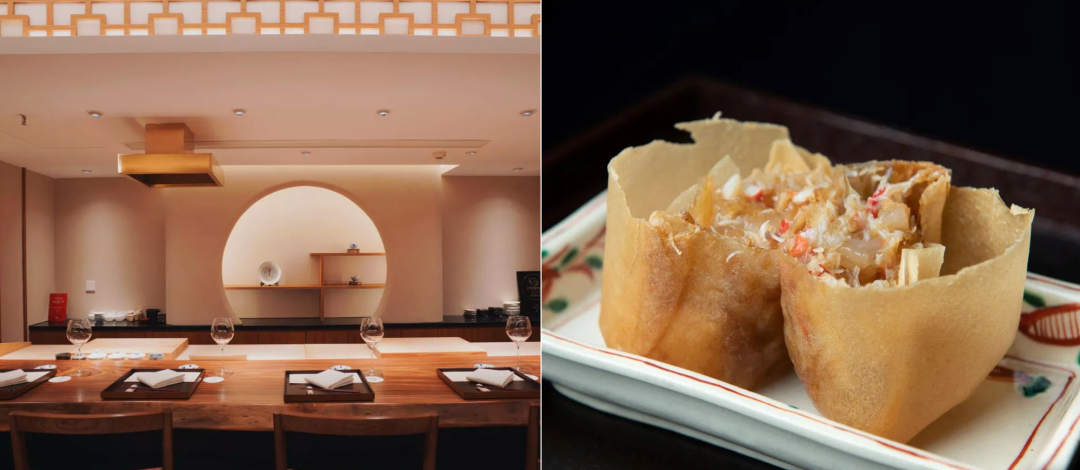
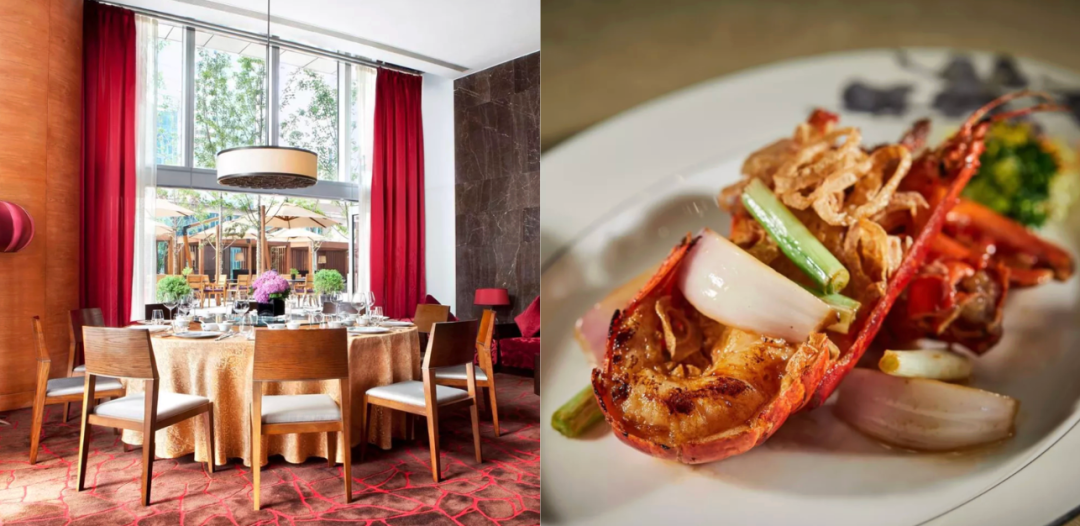
Tou Zao receiving two stars makes me want to visit even more, though reservations are already full until August. At the same time, from Tou Zao to T’ang Court, this group of two-star restaurants gives the impression that Michelin still leans toward Cantonese cuisine. T’ang Court’s return is no small feat. From three stars, through years of decline, and now back to two. During the broadcast, Chef Su spoke candidly about the difficult years and how things are gradually improving. It was a sincere and moving moment. A dramatic arc — fall, and then a return to recognition.
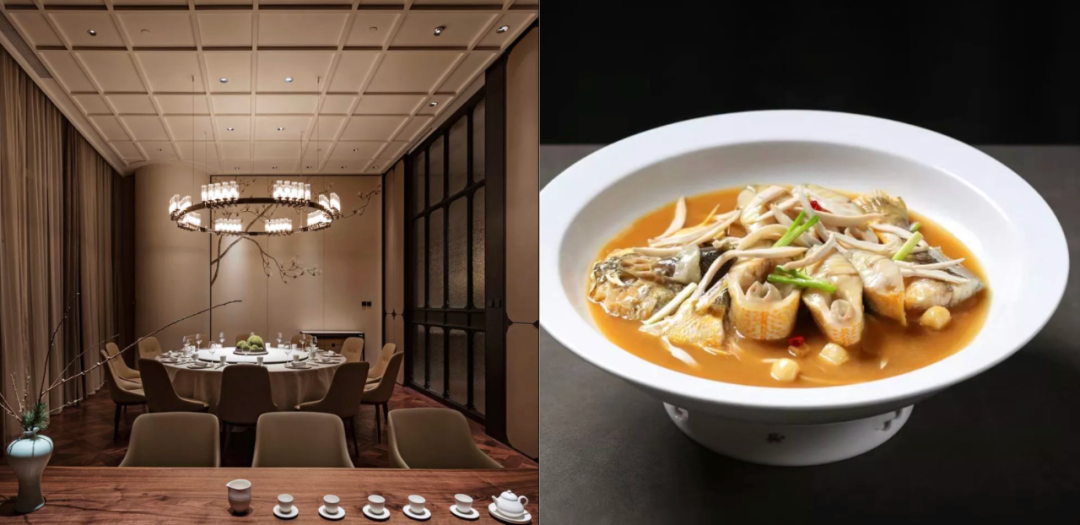
 Tou Zao's Interior & Dish @michelinguide
 T'ang Court's Interior & Dish @michelinguide
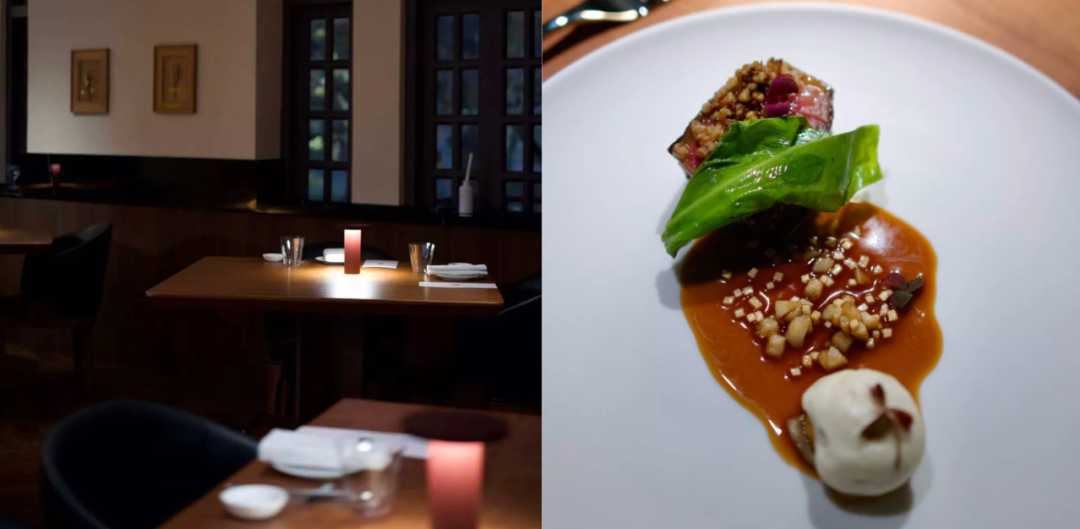
The new one-star entries carry a different kind of meaning. Vivant has become one of the most popular fine dining French restaurants in Shanghai. Johnny Pham's integration of Vietnamese influences into the menu is something worth watching. Given his background, a second star may well be within reach.Fabula, however, is what truly caught my attention. When independent restaurants — with limited budgets and little publicity — are recognized, that’s when the award feels meaningful.
 Fabula's Interior & Dish @michelinguide
Turning to Hangzhou, the promotion of Jie Xiang Lou to two stars comes as no surprise. Given its reputation and long-standing presence, this feels like a matter of time. At the same time, Jin Sha not receiving two stars has become one of the biggest omissions in many people’s eyes.
In common perception, Jie Xiang Lou, Ru Yuan, and Jin Sha operate at a similar level, each with its own strengths. When results diverge, it inevitably leads people to reconsider the standards.
This brings up a broader question:
For Michelin, how are tasting menus and traditional shared dining formats evaluated?
When inspectors dine anonymously and pay their own way—and when the number of diners is limited—do restaurants that excel in large-format, communal dining struggle to fully demonstrate their strengths?
Beyond Jin Sha, Shanghai’s Nan Xing Yuan is a clear example.
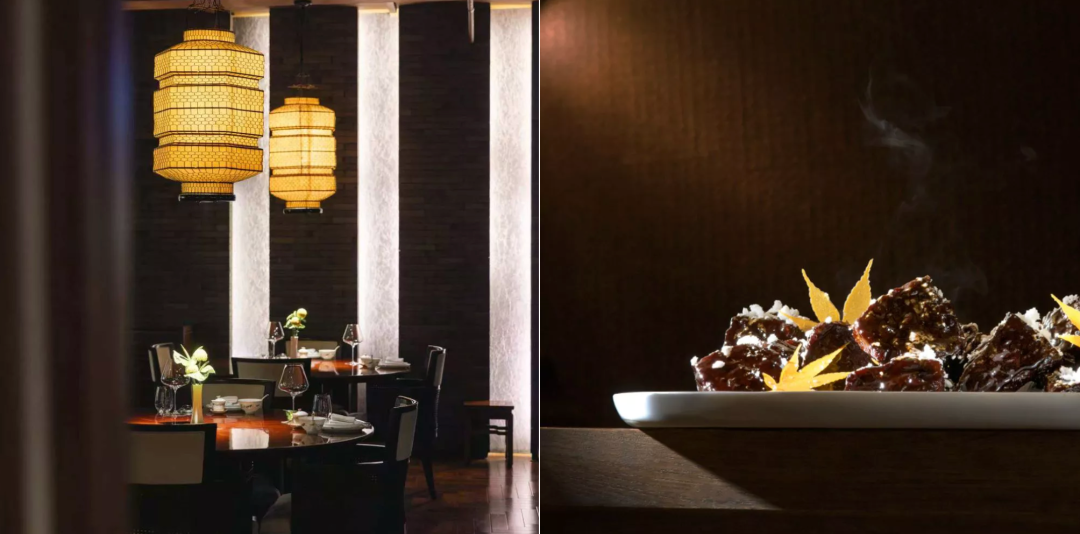 Jiexianglou's Interior & Dish @michelinguide
Still, taken as a whole, this list proves one thing
In Suzhou, Xi Ding Jia Yan receiving one star is entirely expected. Consistent execution, well-structured menus, carefully selected ingredients—there are no weak points in the progression of the meal. Within Suzhou, it stands out clearly. This is a well-deserved recognition.
What was more surprising, however, is Xin Rong Ji in Taizhou.
With the ceremony held in Taizhou, and with local support, one might have expected it to move toward two or even three stars. Instead, it received one star.
That was unexpected.
But from another perspective, it also says something important:
Michelin is not simply “giving face”—it maintains its own standards.
That, in itself, is admirable.
For Xin Rong Ji, the result feels almost like a “reality check.” But given its consistency as a legendary restaurant, a return to two stars next year would not be difficult.
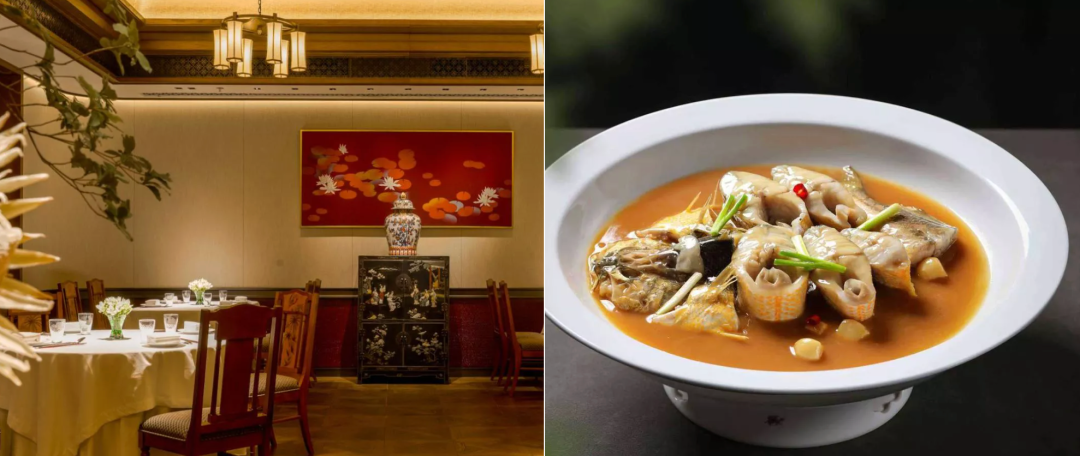 Xin Rong Ji (Jiaojiang)'s Interior & Dish @michelinguide
On a recent revisit, I did notice that more effort has gone into menu structure and overall consistency. At the same time, the seafood display area seems to have lost some of its former vitality and warmth—a slight loss.
That said, in terms of execution, it remains very strong.
A “stable one star” is not entirely unexpected.
Looking ahead, I hope Michelin continues to discover more independent restaurants.
Compared to focusing on large, group-backed establishments, this direction feels more meaningful for the broader dining ecosystem.
As for “localization,” it is certainly necessary—but it should not be the only standard..
Every award has its own personality. For Michelin, what matters is maintaining its own criteria for what defines a great restaurant.
In this year’s list, we see some restaurants rising from setbacks, while others receive a wake-up call. It also highlights the value of independent awards within the system. Ultimately, if there is one expectation going forward, it is this: Michelin should further define its own identity, rather than being influenced by other commercial awards.
In today’s dining world, a system where inspectors pay for their meals, and restaurants are not required to spend on PR or marketing to be included is extremely rare. In fact, this may be Michelin’s greatest strength. What was once perceived as a highly commercial award now feels, in comparison, relatively clean. If one had to describe it, perhaps it is something like :a rare case of remaining untainted—“rising unstained from the mud.” (laughs)
Placed within the context of ten years, this is something we can understand—and something that was never going to be easy. And perhaps, what we hope to see next is more independent restaurants being discovered.
Author: Jocelyn 華姐
Image: guide.michelin.com