Following the closure of the three-starred St.
Hubertus restaurant in March this year, the world has had its eyes on Norbert
Niederkofler's next move. He has revealed
his latest project, which promises to redefine his culinary philosophy. This
July 12, he will take the next step in his culinary development by opening Atelier
Moessmer Norbert Niederkofler, the new restaurant supported by one of the
oldest cloth factories in the world. Set in a historic villa and open all year
round, the restaurant is a new explorational field for creativity, exceptional
taste and inspiration.
Norbert Niederkofler, a renowned three-starred chef in the Alps region, started to work at the Rosa Alpina Hotel in the Alto Adige region of northern Italy in 1996, which is famous for being located in the Dolomites, a UNESCO-designated natural heritage area.
Norbert's restaurant started out as a small pizzeria, and gradually developed its unique high cuisine, earning its first Michelin star in 2000 and three stars in 2017. Norbert himself was awarded a green Michelin star for his commitment to sustainability in 2020. However, the almost century-old hotel Rosa Alpina was closing for a revamp in March with its partner Aman, attracting people’s attention to St. Hubertus' next step.
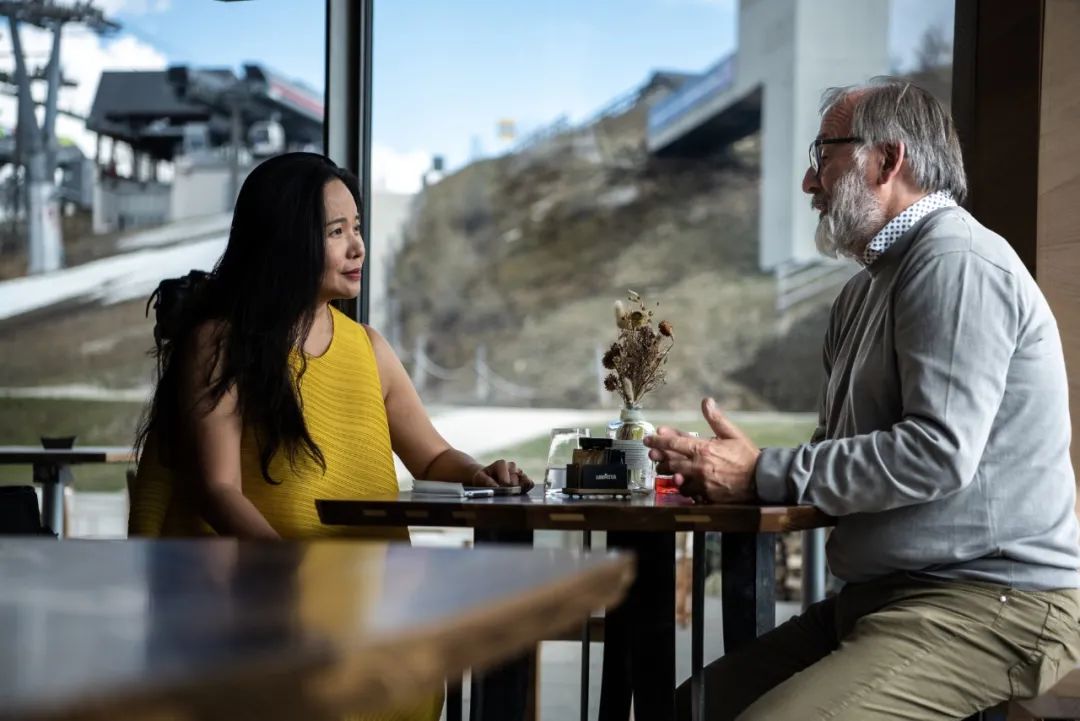
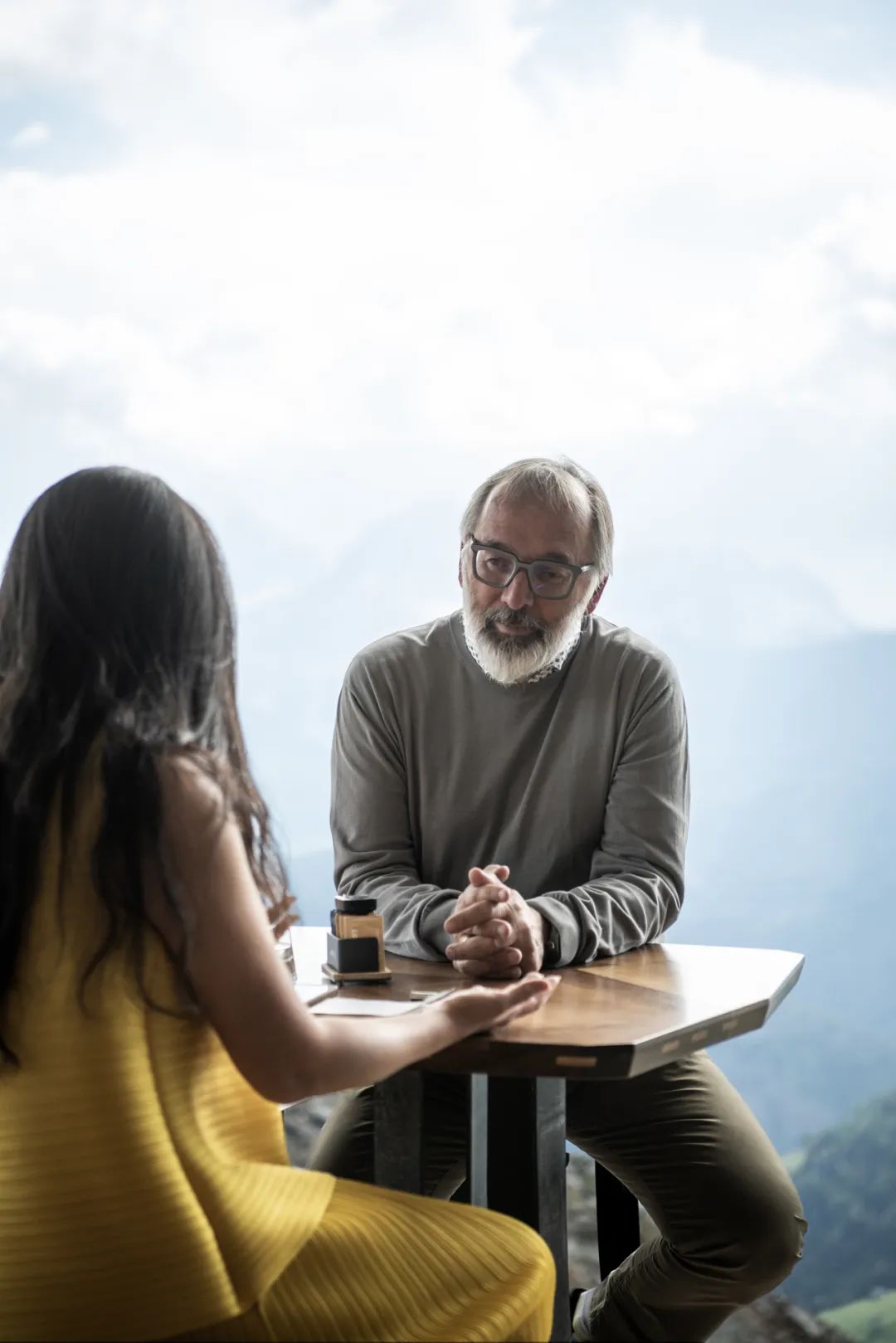
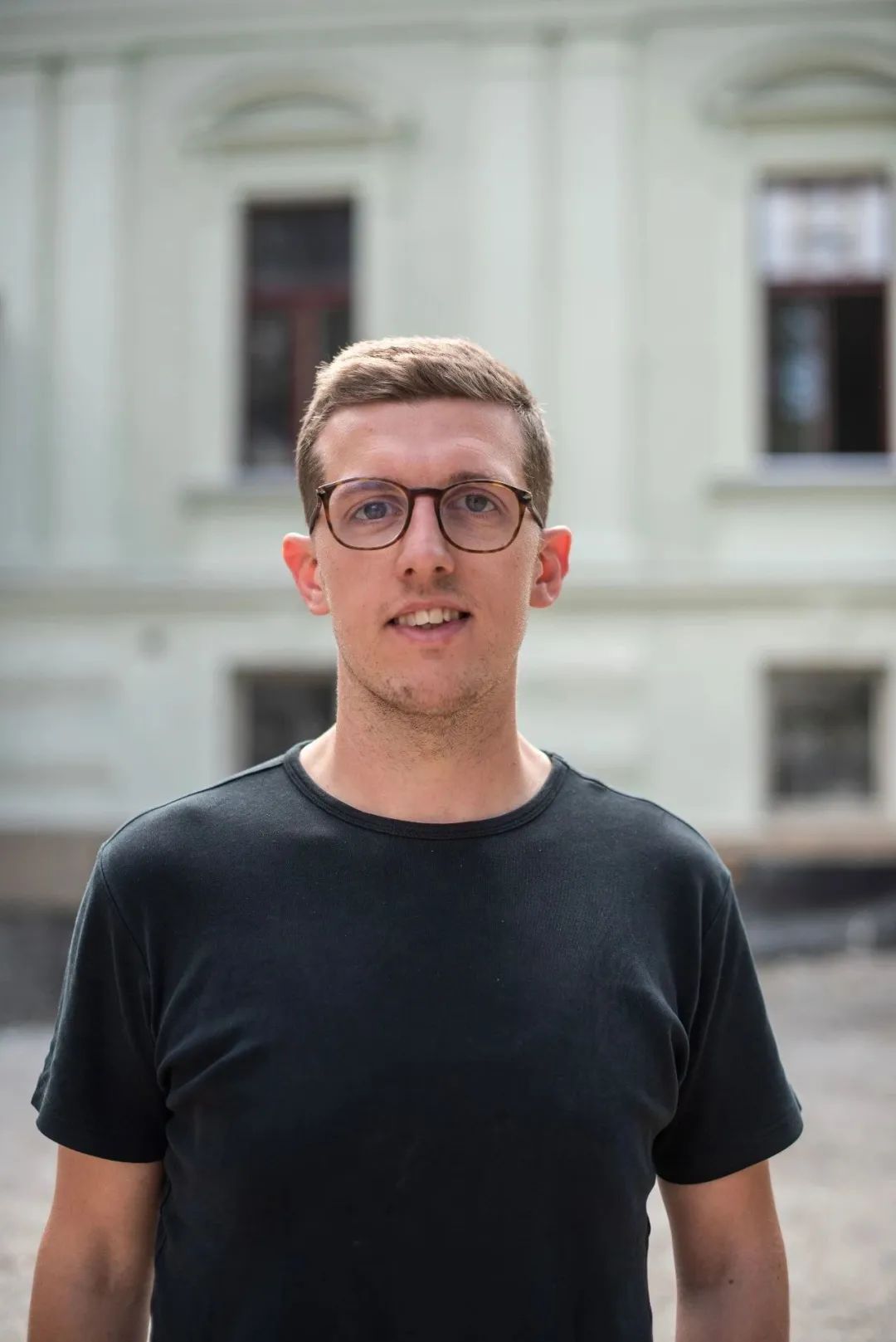
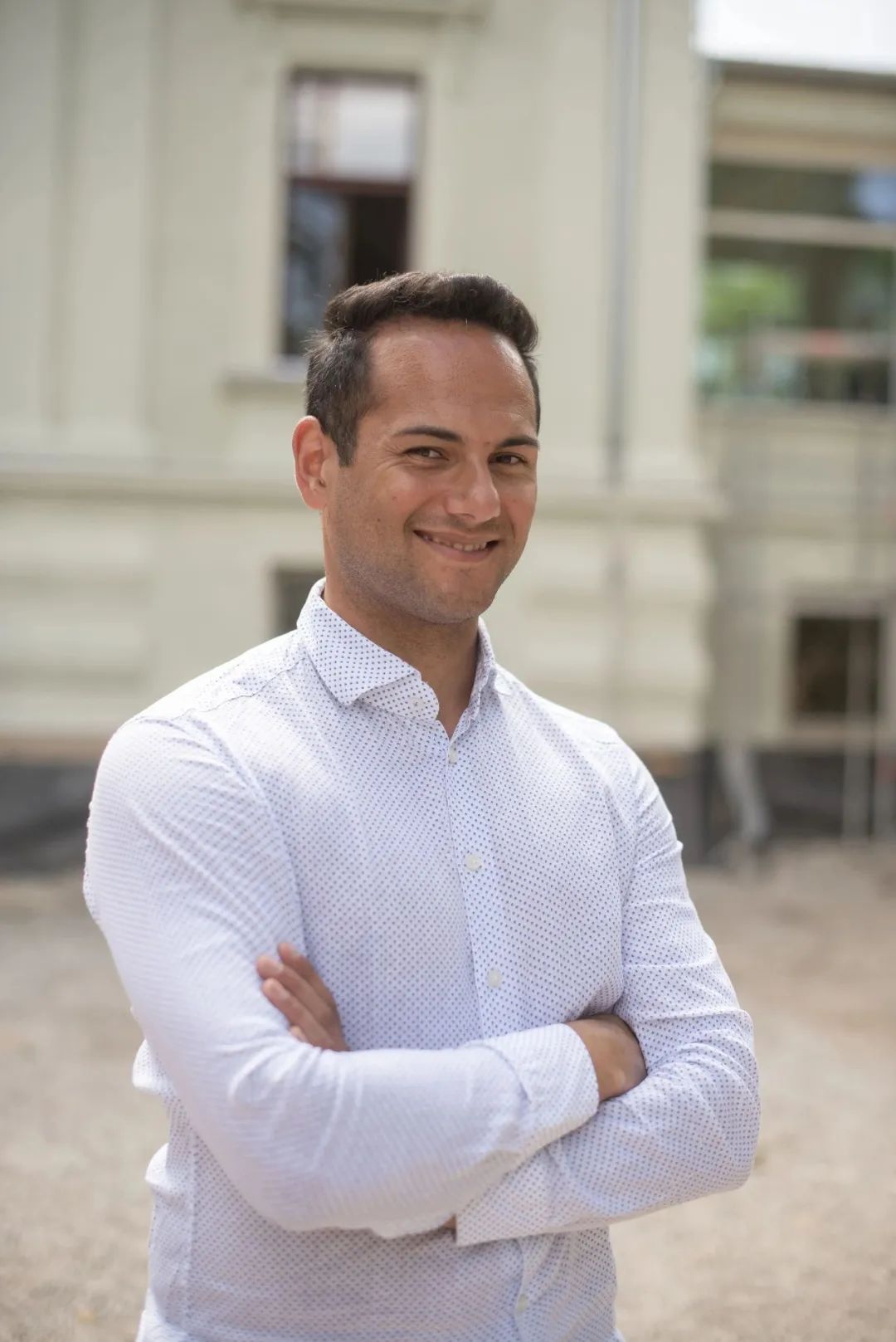
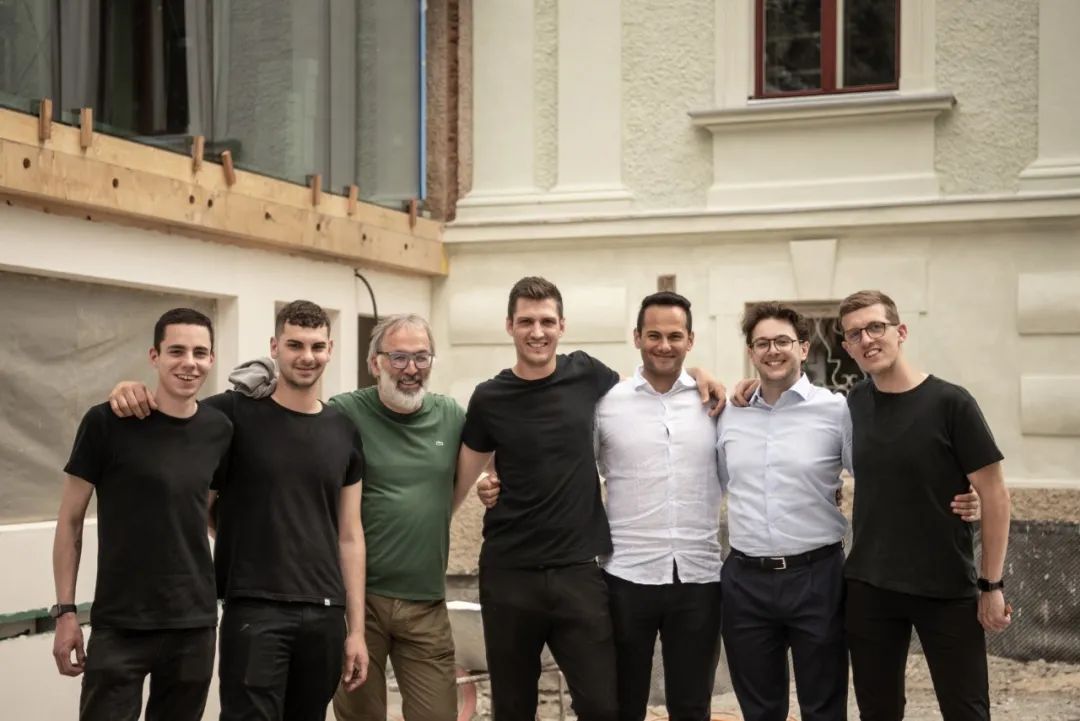
The new restaurant has been in the pipeline for two years. The decision to relocate was not a contractual one, but a matter of space. After all, the closure of a three-starred restaurant is a big deal, not to mention the fact that St. Hubertus has only got three stars in the last five years. Opening a new restaurant means starting all over again. Niederkofler admits that having to bid farewell to the restaurant to which he had devoted almost 30 years was never an easy thing. Fortunately, by his side, Norbert Niederkofler has a well-rehearsed team of employees taken to the new project. Lukas Gerges will support Niederkofler as a restaurant manager and head sommelier, as will Mauro Siega, who will work as executive chef in the Atelier. Niederkofler himself will take the role of consultant.
Supported by Tuchfabrik Moessmer, one of the oldest and most renowned loden fabric producers in the world, the new restaurant is located in the former executive villa of Moessmer. For many years, it was home to the creative space of the South Tyrolean writer Joseph Zoderer. The renovation needed to be done in accordance with Italian regulations on the preservation of cultural heritage, and therefore no changes were allowed to the facade of the 19th-century building or its colour scheme, giving the restaurant a more poetic and historical patina. Moessmer shares the same philosophy in sustainability as Niederkofler, for example, the factory’s operation is powered by abundant energy from pumped hydro in the mountains.
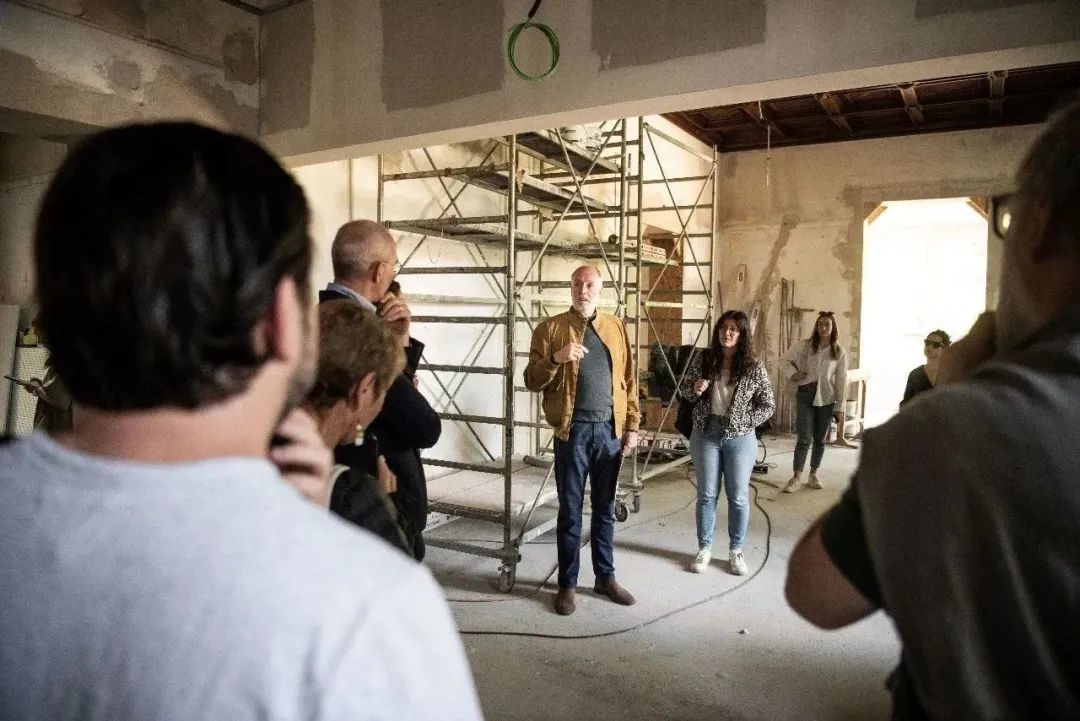
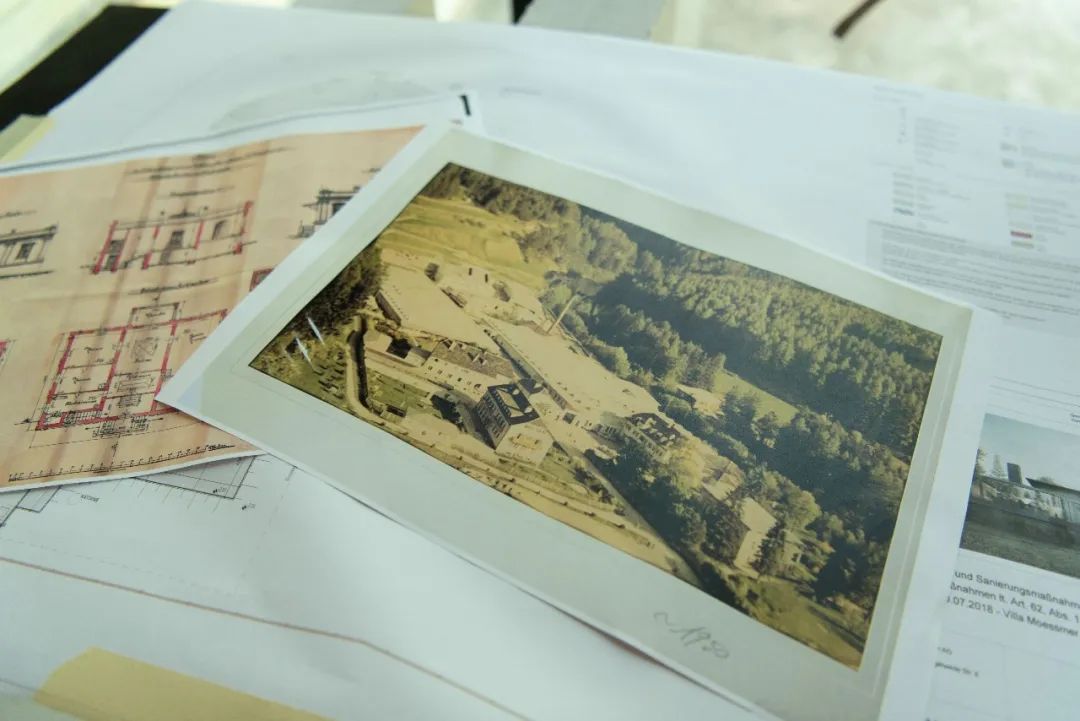
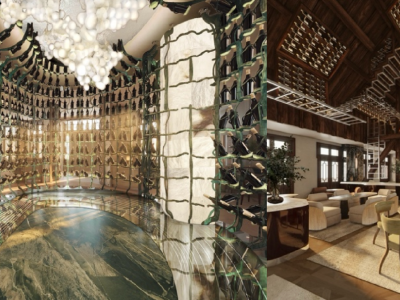
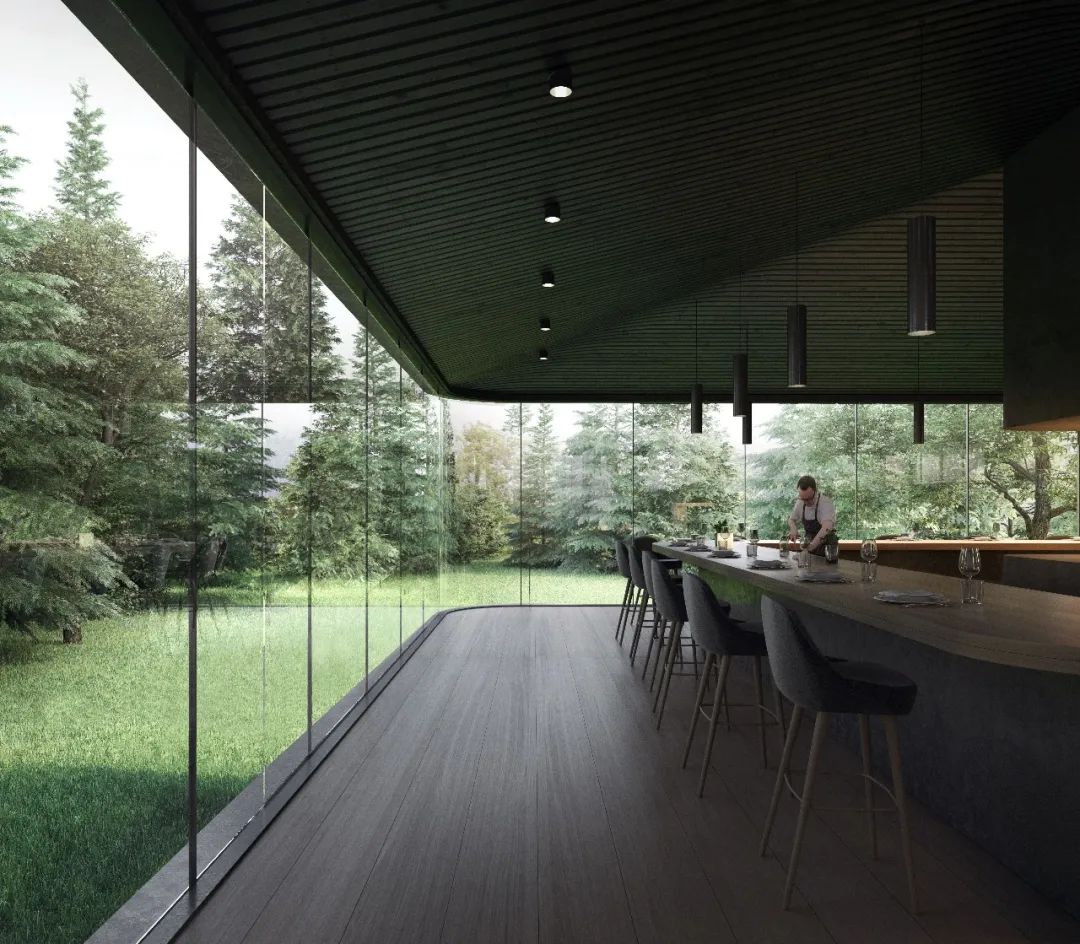
I was invited to a pre-opening event in June when the restaurant was still in construction, but I could already see the purpose of each space and the chef's insistence on integrating nature. In addition to a floor-to-ceiling glasshouse with a 280-degree view of the spectacular park, the restaurant also harbors a library with historical books by Moessmer and from Niederkofler's private collection.
Now the new restaurant will finally open. The word 'Atelier' refers to a workshop or studio used by an artist, and here it is also a design studio of Moessmer, a space that nurtures creativity and culinary arts.
Moving from a natural heritage site to a cultural heritage site, the restaurant continues to uphold three-star standards and chef's 'Cook the Mountain' and 'ethical dining' concepts, which are based on respect for nature, sustainability, regionality, and synergy with local producers. Compared to the previous restaurant, which was only open in summer and winter, Niederkofler explains, “The most exciting thing for us is that we now have four seasons, so we can explore nature more profoundly and fully immerse ourselves in it.” Michelin and fine dining have been driving the principle of sustainable cooking for a few years now, but Niederkofler has been doing it for a long time, only that he likes things low-key.

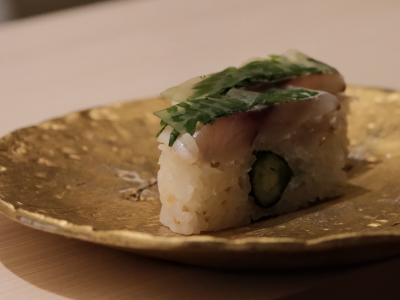
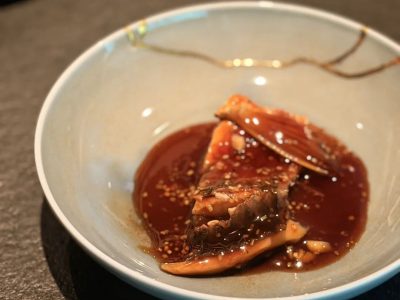
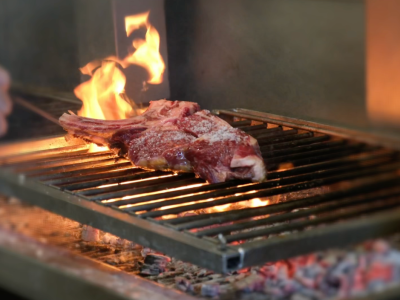
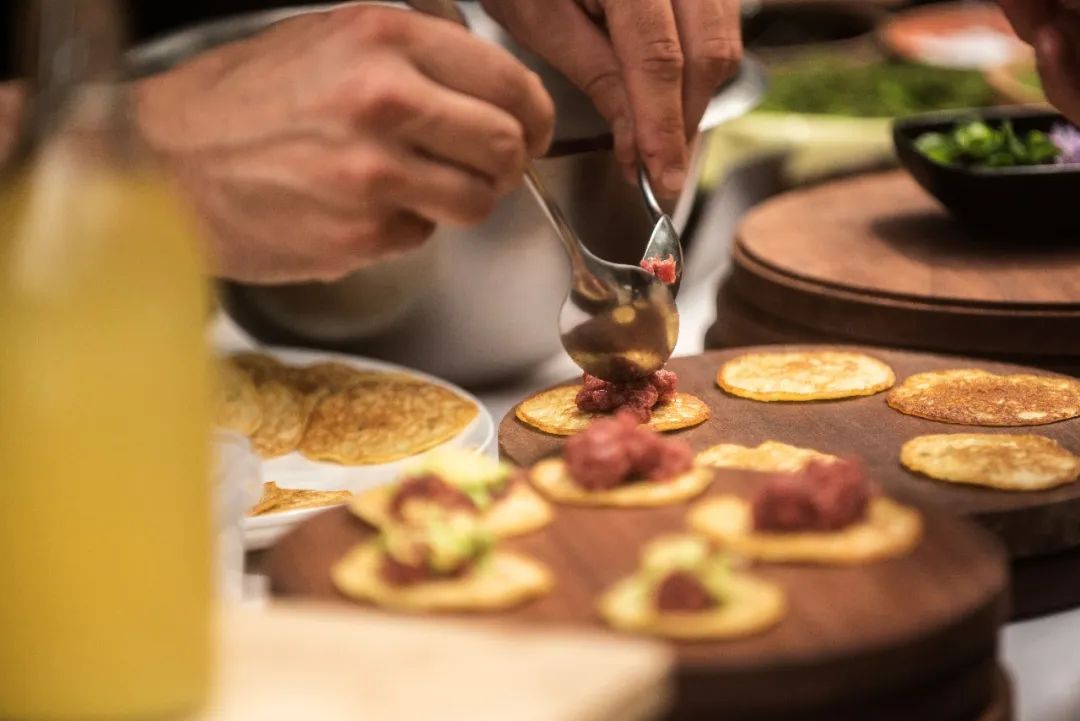
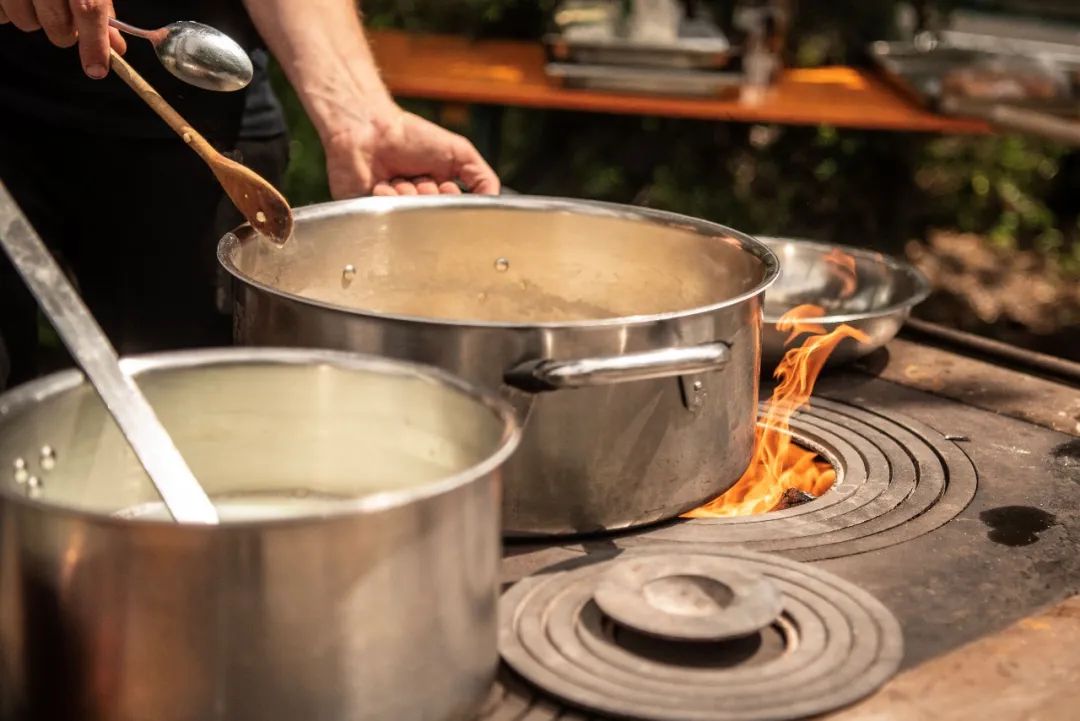
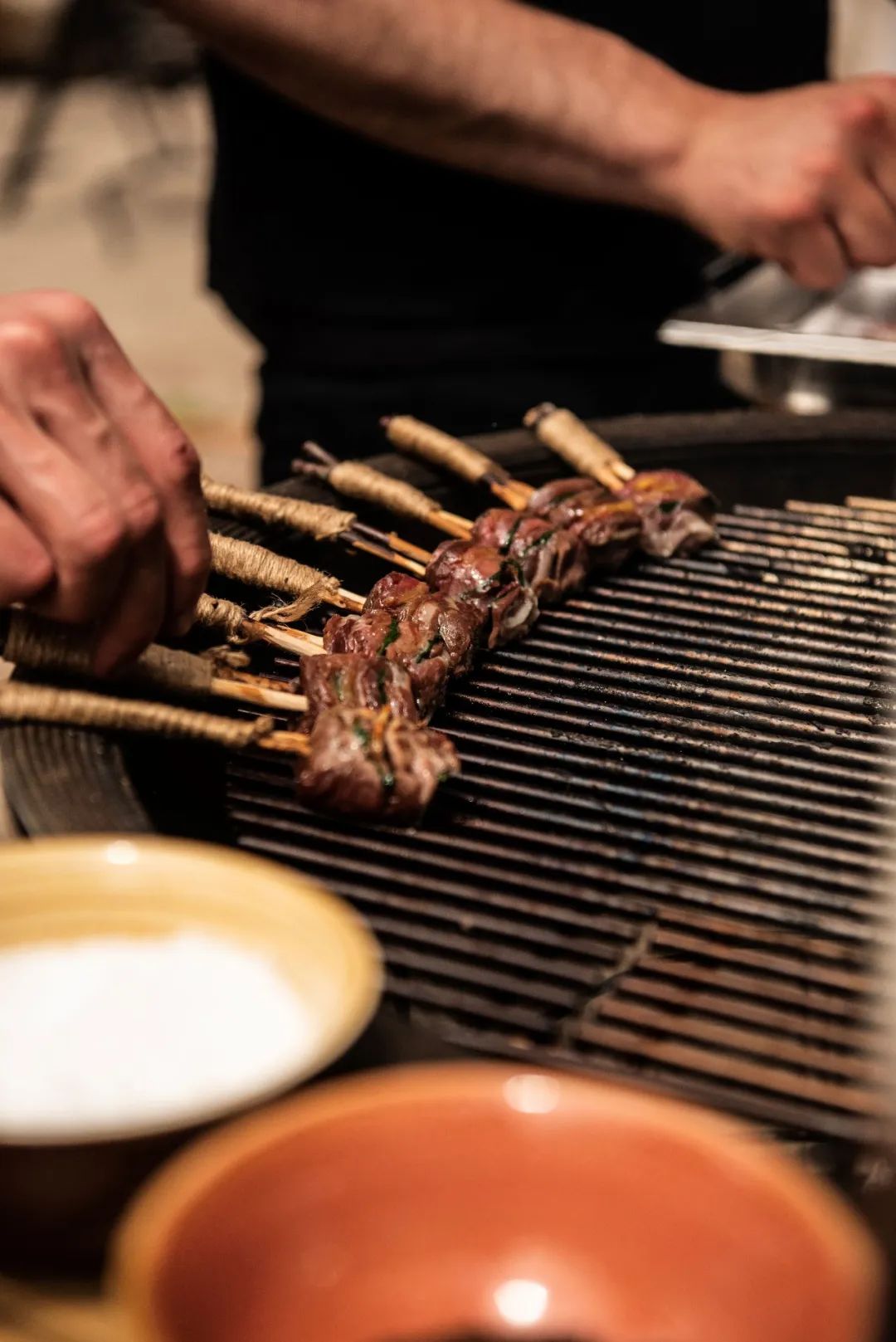
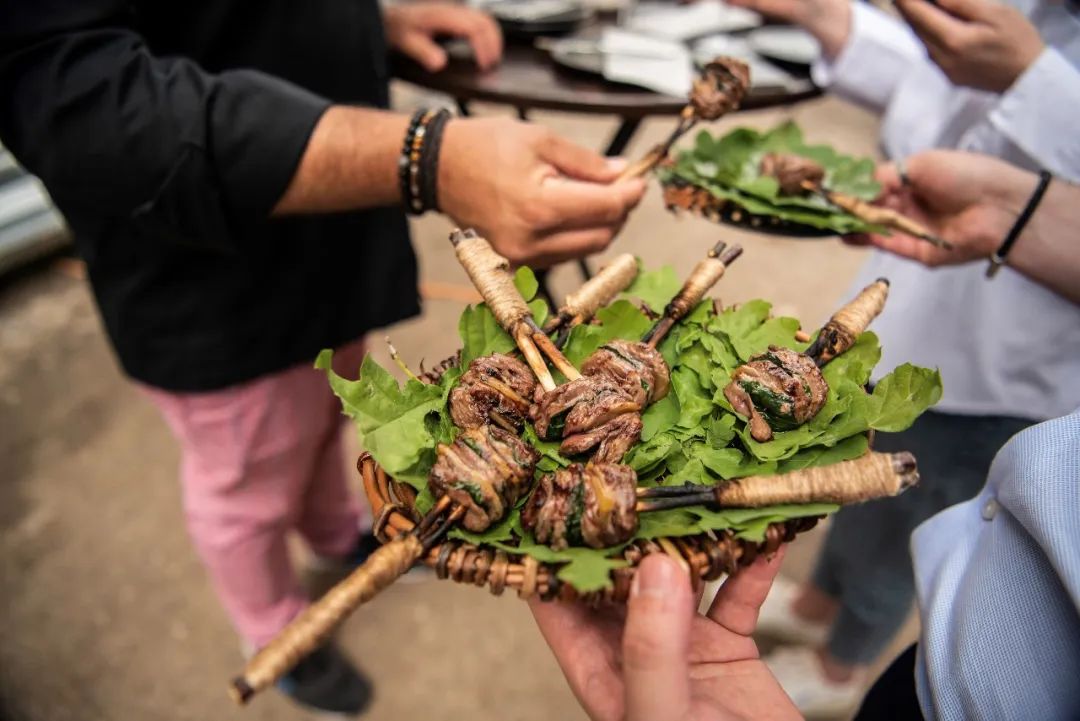
During this visit, Niederkofler’s dedication to ethical cooking was evident, and it was heartwarming to see how he has spent decades delving into ingredients from the deep mountains and living in harmony with nature. That day we had a BBQ lunch, where there was venison and its various parts, ensuring maximum utilization of the ingredients. The barbeque flames brought a tantalizing flavor to the dishes. The restaurant uses fermentation, curing, and other traditional methods of food preservation. In addition to providing comprehensive training courses, Niederkofler's restaurant emphasizes teamwork, which makes for a seamless presentation of each dish from appetizers to desserts.
For Niederkofler, this new journey has been marked by his love of nature, his commitment to nurturing talent, and his dedication to preserving culinary traditions. He has organized a number of charity dinners and is proud to be the initiator of his own bachelor's degree course in "Gastronomy and Oenology in Mountain Regions" at the Free University of Bolzano, where he gives lessons on Cook the Mountain.
The new restaurant is not starting from scratch, but standing on the shoulders of giants and looking to bigger goals. For Niederkofler, the importance of the Alps is far beyond Michelin stars. Passing on knowledge is a matter close to Niederkofler's heart and this is something he will be able to pursue much more strongly in the Atelier. By reimagining the relationship between food and nature, he will once again redefine the culinary scene.
Author: Jocelyn 華姐
Photo: Atelier Norbert Niederkofler Moessmer (Eryk Kepski、Angonese Hellweger、Alex Moling)