My first visit to Txispa began with a drive deep into a quiet valley in the Basque Country. Surrounded by mountains, it felt as though I had entered another world.
Located in the small village of Axpe, Txispa is the restaurant of Japanese chef Tetsuro Maeda. After spending more than a decade working at Asador Etxebarri, he chose to remain in the Basque Country—a place he had already called home for many years—and opened a restaurant of his own.
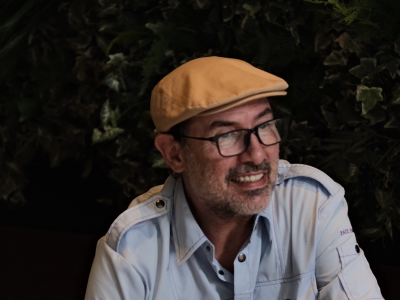
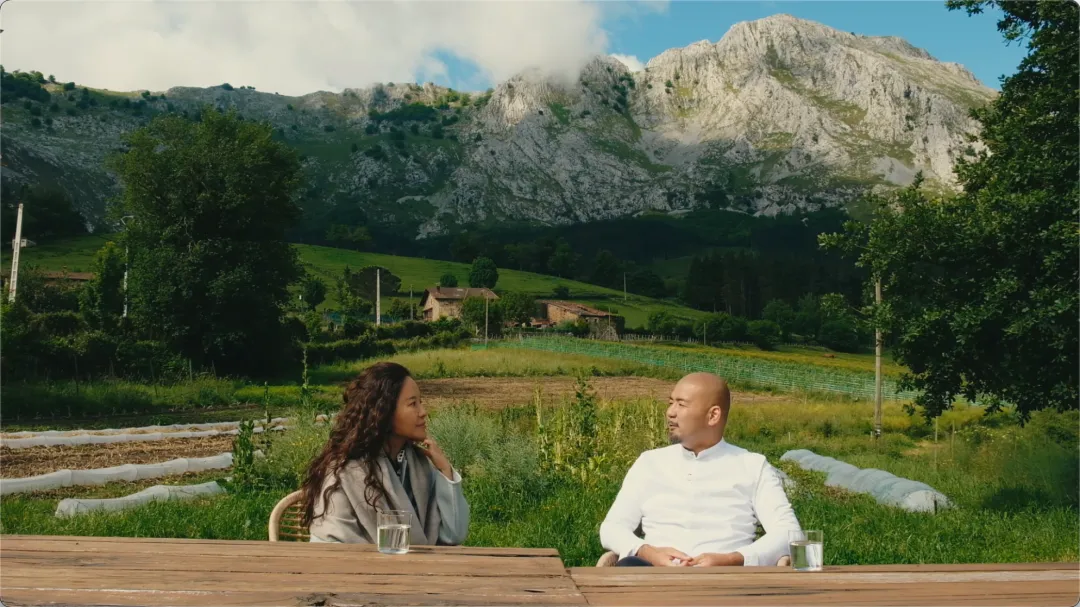 Jocelyn(left)& Txispa's Chef Maeda Tetsuro(right)
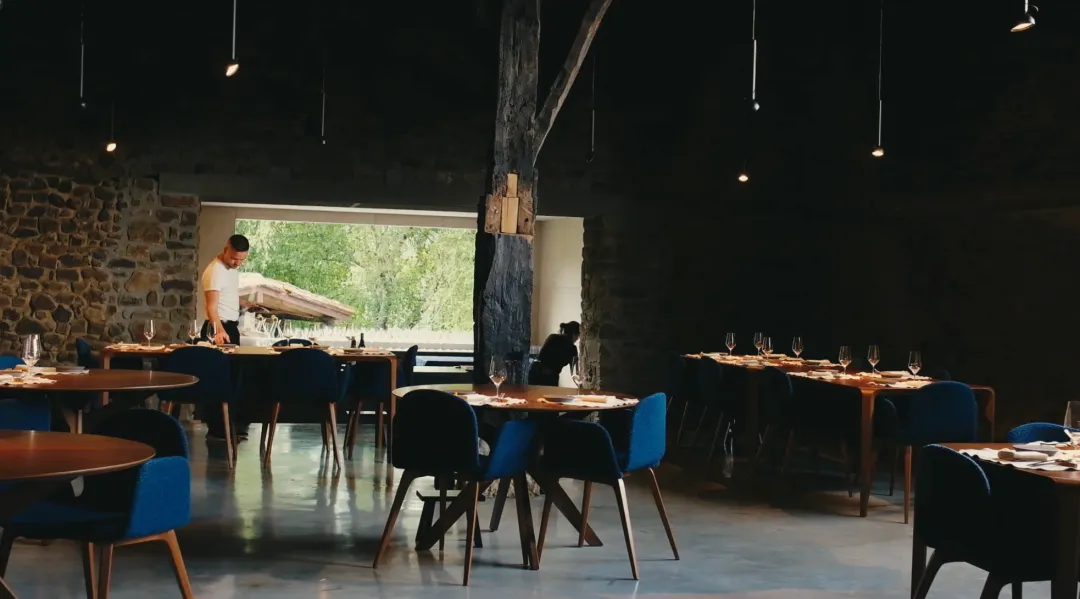 Txispa's Interior
Maeda comes from Kanazawa, a city that shares surprising similarities with the Basque Country. Mountains rise behind the city, while the sea is only a twenty- or thirty-minute drive away. From the mountains, you can even see the coastline. Nature is always close, from morning until night.
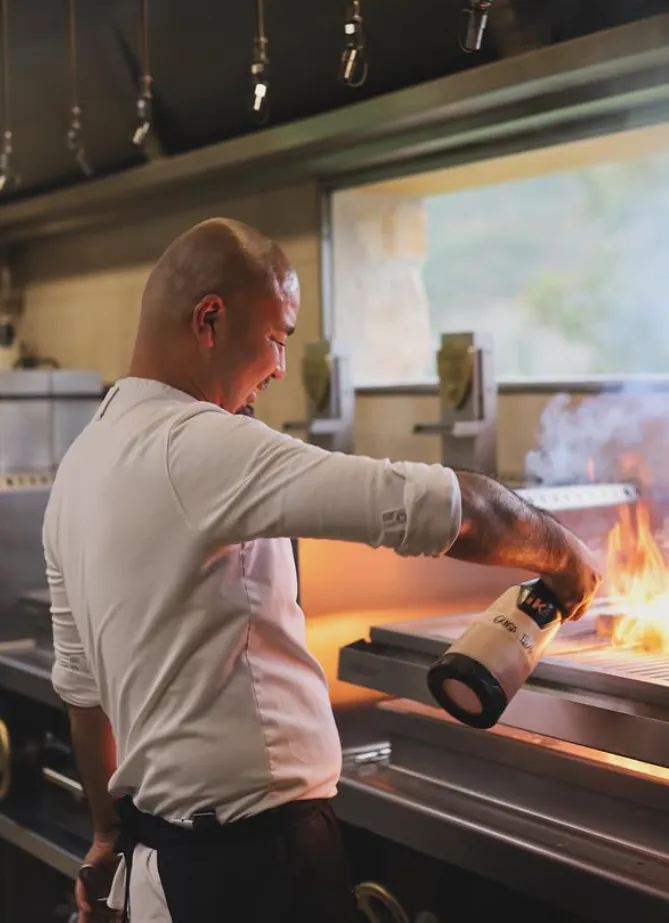 Txispa's Kitchen @txispa_restaurant
Once the meal began, what struck me most was not how Basque the restaurant felt, but how unmistakably Japanese it was. The front-of-house team comes from different parts of the world, yet the kitchen is filled with Japanese chefs. Throughout the menu, mountain vegetables, wild herbs, chawanmushi, kombu, miso, and koji appear repeatedly. Whenever Maeda shares the stories behind his dishes, they almost always lead back to memories of his childhood in Japan.
You look up and see the mountains of the Basque Country. You look down, and discover the precision, restraint, and seasonality of Japanese cuisine. It is a fascinating contrast—almost surreal at times. Two cultures coexist naturally within the same space. When Maeda speaks about his years at Etxebarri, he rarely talks about techniques. Instead, he says that what he learned there was "a philosophy, a way of thinking."
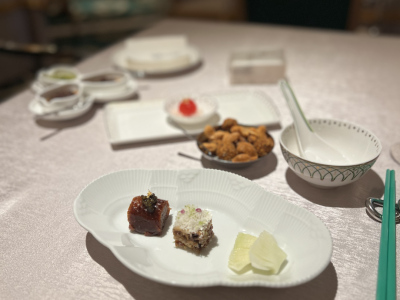
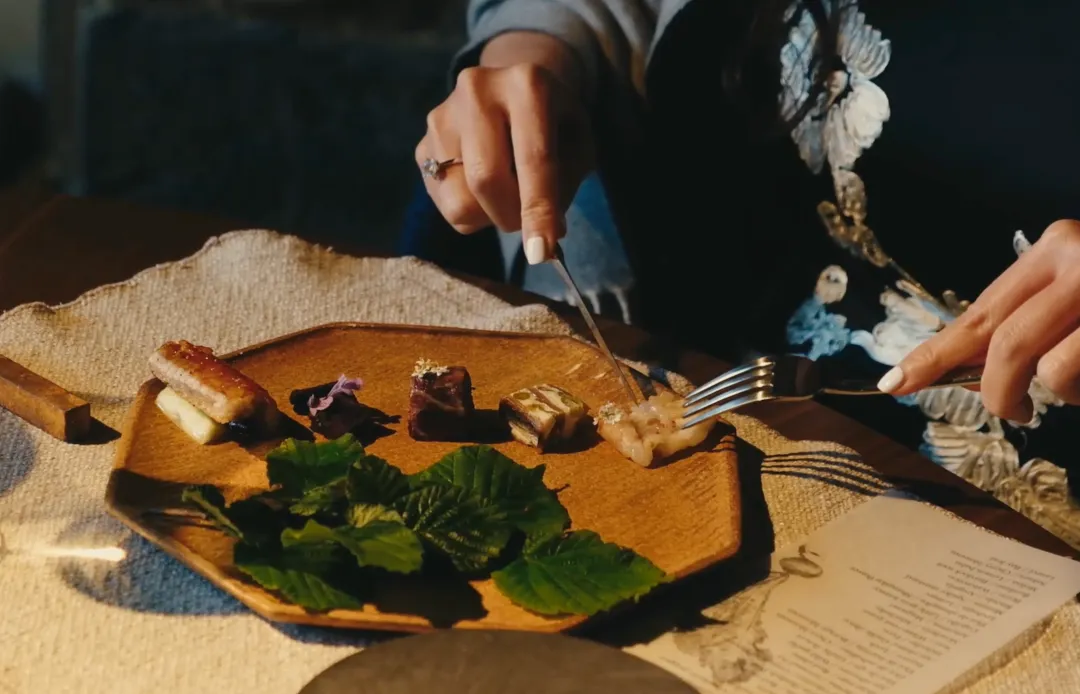 Hassun: Eel Kabayaki, Anchovy, Elderflower, Beetroot, Prawn
For him, a chef must know where every ingredient comes from and understand the story behind it. That philosophy can be seen throughout Txispa. The restaurant has its own farm, cared for by a Japanese farmer and a Mexican farmer. Before the meal, every guest receives a list of the day's vegetables: wild garlic, fern shoots, Japanese watercress, artichokes, chrysanthemum flowers, teardrop peas, borage flowers, and many others. They are not there simply for display. One by one, they become part of the menu.
The dining experience itself is equally thoughtful. Guests do not remain at the same table throughout the meal. It begins with snacks in the lounge, continues into the kitchen, moves to the main dining room, and eventually returns to the kitchen for the final courses.
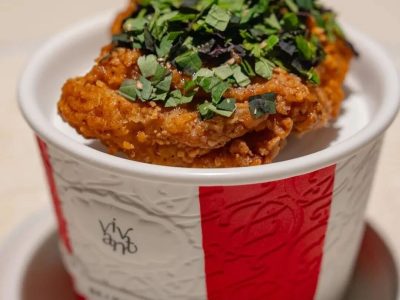
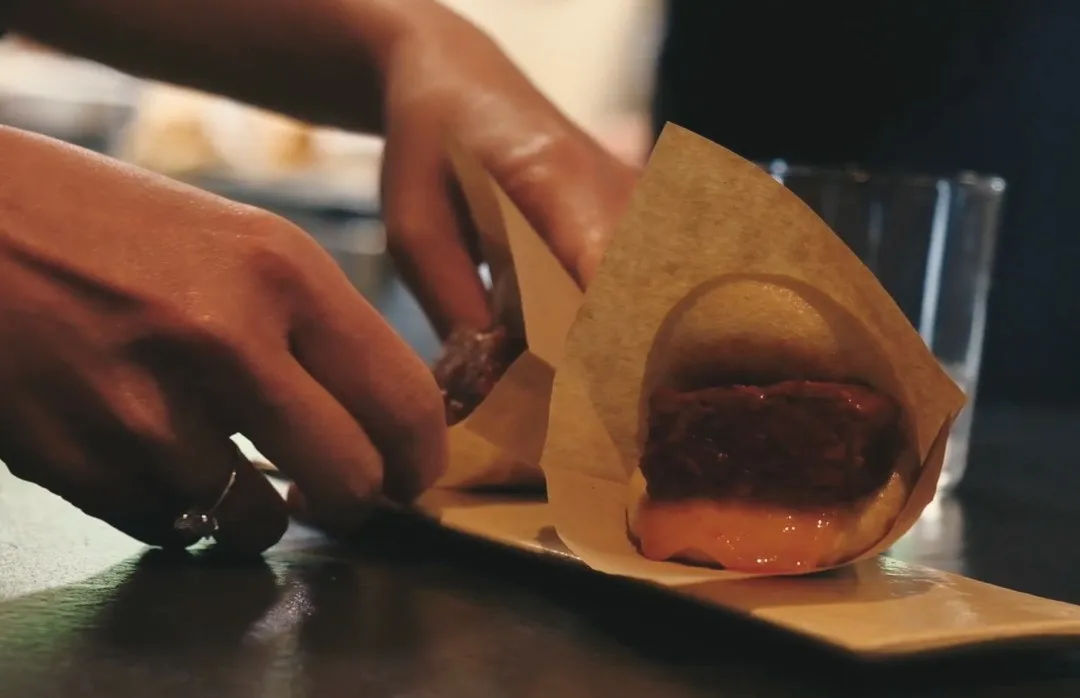 Bao Txorizo
Each space has its own rhythm and purpose. Instead of waiting for dishes to arrive, diners move with the meal itself, creating an experience that feels both contemporary and immersive. Maeda is not trying to recreate Japanese cuisine in Spain. He is not serving sushi or sashimi in the Basque Country. As he told me, what he hopes to express is the Japanese spirit—not necessarily Japanese ingredients or familiar Japanese dishes.
The restaurant makes its own miso, soy sauce, and sake. One memorable course paired kombu-aged caviar with a delicate tofu made from chickpeas. The clean, layered umami remains vivid in my memory. Another dish transformed the classic Basque combination of chorizo and egg by serving it inside a soft steamed bao. The flavors were unmistakably Basque, yet presented through a form instantly familiar to anyone in Asia. Unexpected as it was, the pairing felt completely natural.
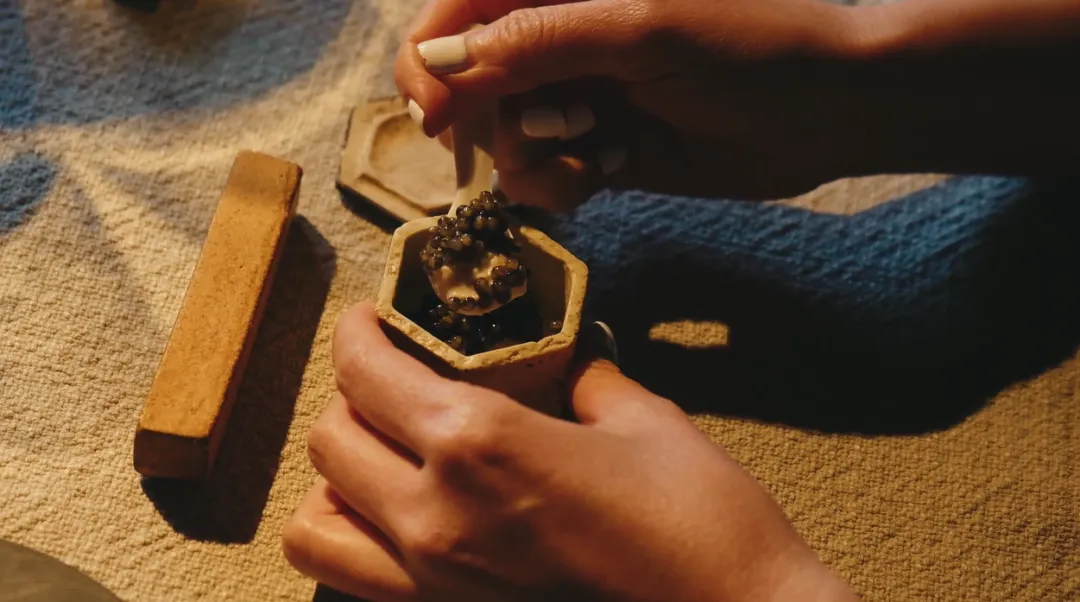 Smoked Caviar & Chickpea Tofu
One of my favorite dishes featured fern shoots and artichokes.
Maeda told me that fern shoots are one of Japan's traditional spring mountain vegetables. Every spring, his grandfather would gather them in the mountains before soaking them overnight in hot water with wood ash to remove their bitterness. Txispa follows the very same process. The fern shoots are served with artichokes, Japanese watercress grown in the restaurant's own garden, and a single violet. The flower is there for a reason. Where fern shoots grow in the mountains, violets often bloom alongside them. The dish recreates not simply a flavor, but a memory of spring from Maeda's childhood.
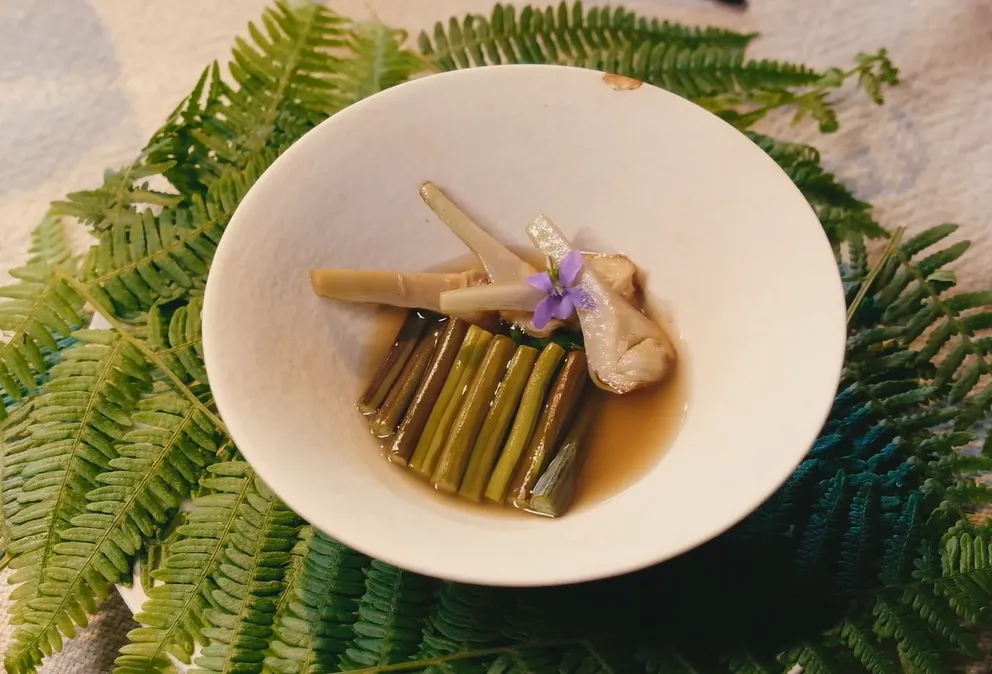 Fern, Artichoke & White Root Grass
The dish that best represents Maeda's cuisine, in my opinion, is teardrop peas with clam chawanmushi.
Teardrop peas are among the Basque Country's most prized spring ingredients. Maeda extracts a delicate broth from the pods themselves, while the peas are grilled over charcoal before being placed on top of silky chawanmushi. It is a dish where Basque seasonality meets Japanese technique, expressing the culinary language he has built over the years.
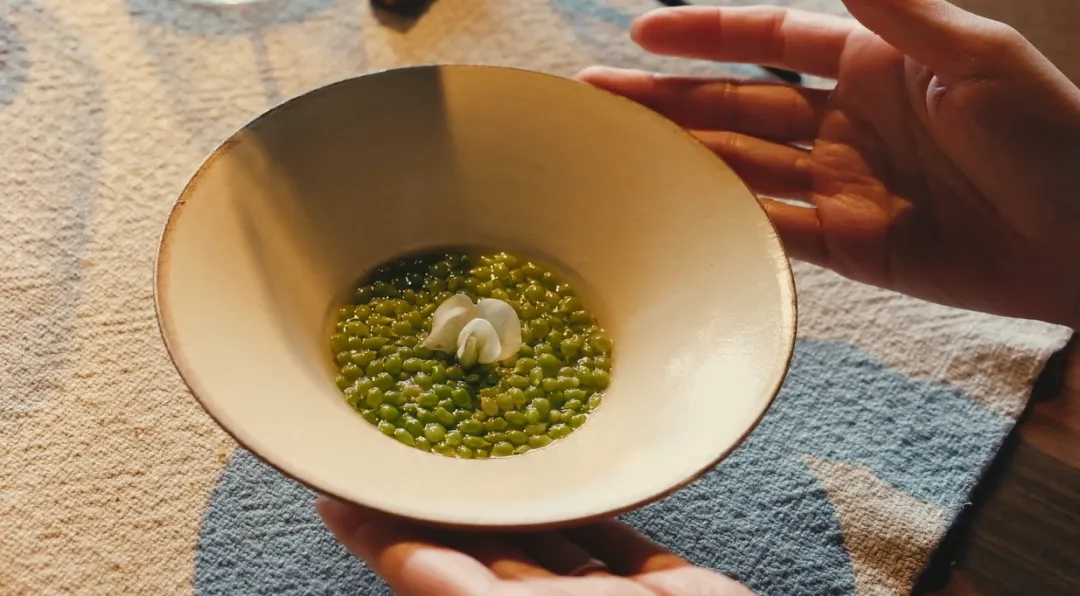 Teardrop peas with Clam Chawanmushi
Charcoal, however, is the true heart of the menu.
The Palamós prawn is cleaned without removing its shell, then grilled with the head facing downward. Maeda explained that the head contains more fat and requires stronger, more direct heat. As it cooks, the juices naturally concentrate inside the head, making each bite even more intensely flavorful.
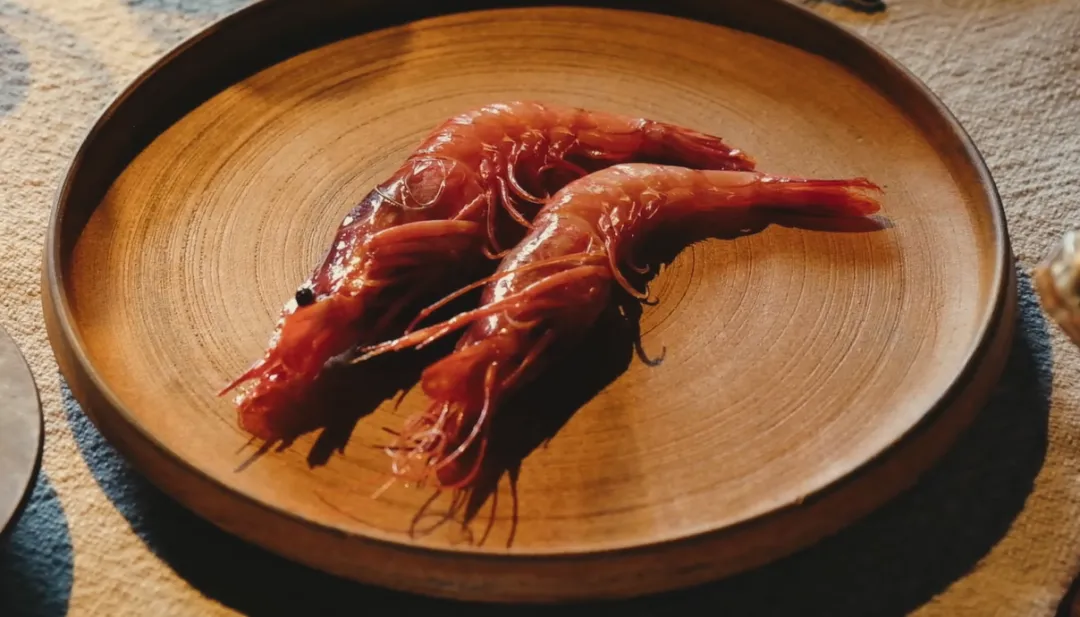 Grilled Red Prawn
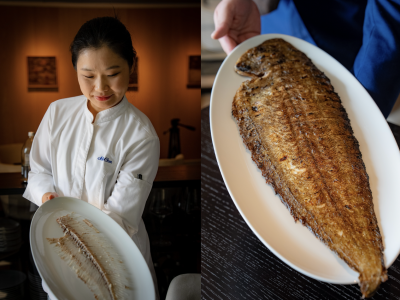
The kinmedai was equally unforgettable. Its skin was grilled until it became as crisp as fried chicken skin, while the rich, fatty portions beneath reminded me of roasted suckling pig. Even in Japan, it is rare to encounter a chef capable of cooking fish skin to this level.
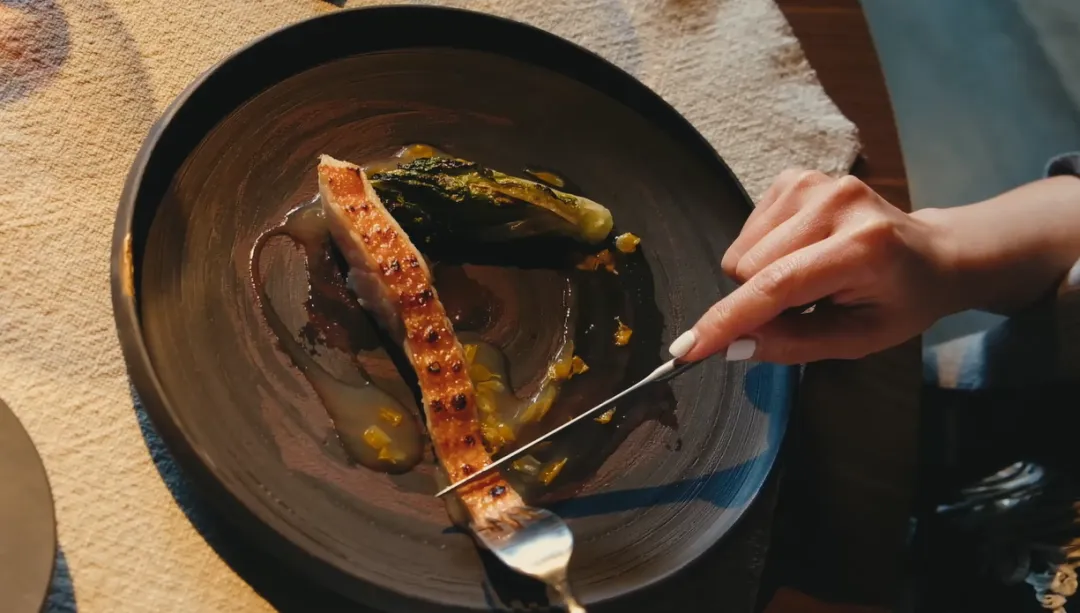 Grilled Kinmedai
The meal concluded with 240-day dry-aged Galician beef. After meeting the charcoal fire, the fat became astonishingly crisp, almost like pork crackling, while the beef itself retained the deep, concentrated aroma that only extended aging can produce. The beauty of charcoal cooking is immediate. The moment the food reaches your mouth, your expression gives you away.
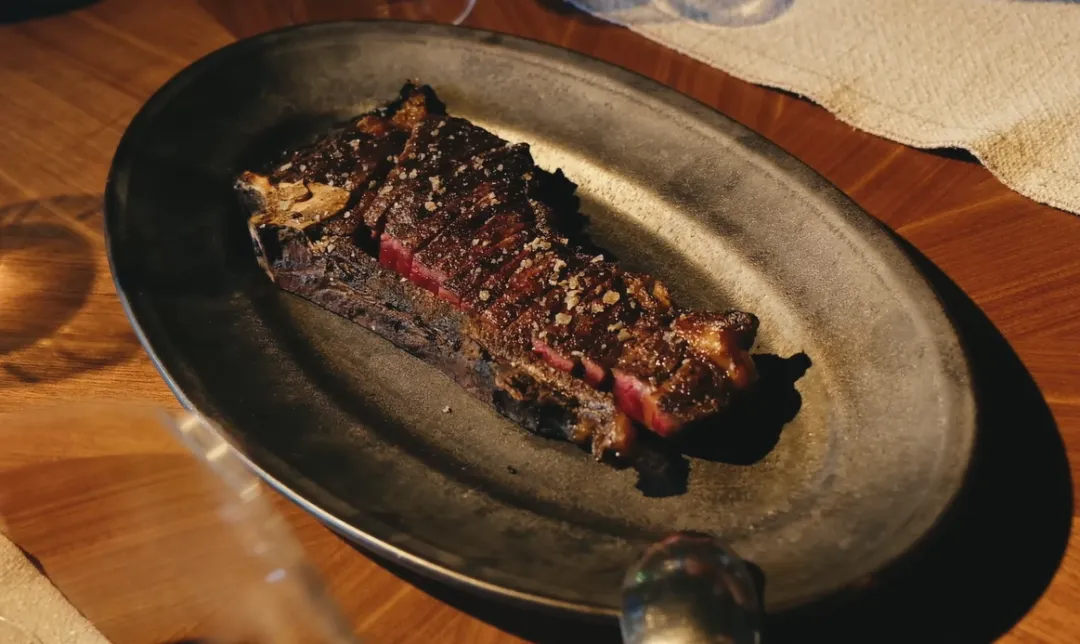 Txuleta
Txispa brings together the fire and landscape of the Basque Country with the memories, flavors, and sensibilities that Maeda carried from Japan. The result is a menu that feels modern, deeply personal, and remarkably complete.
What I saw was not a Japanese chef cooking in Spain. I saw a chef who has woven his life in the Basque Country, his memories, and his culinary journey into every course. At Txispa, the fire of the Basque Country, its local terroir, Japanese craftsmanship, and a profound respect for the seasons come together with remarkable ease.
It is a truly remarkable restaurant.
Today, securing a table at Txispa is already incredibly difficult, and I can only imagine it becoming even harder in the years ahead. If you ever find yourself in the Basque Country, make time for this valley. Spend a day here, and experience the world that Tetsuro Maeda has created.