I grew up not far from where the Yangtze meets the sea. At home, we would steam a whole fish every few days. It is no exaggeration to say that everyone in my family has, at some point, ended up in hospital because of fish bones.
I grew up not far from where the Yangtze meets the sea. At home, we would steam a whole fish every few days. It is no exaggeration to say that everyone in my family has, at some point, ended up in hospital because of fish bones.
Anchovy season must be seized around Qingming. Before the festival, the bones are soft as silk; after it, they harden like needles. Around this time, the fish migrate upstream from the waters near Chongming Island toward Jiangyin and Jingjiang, their flesh growing exquisitely tender along the journey.
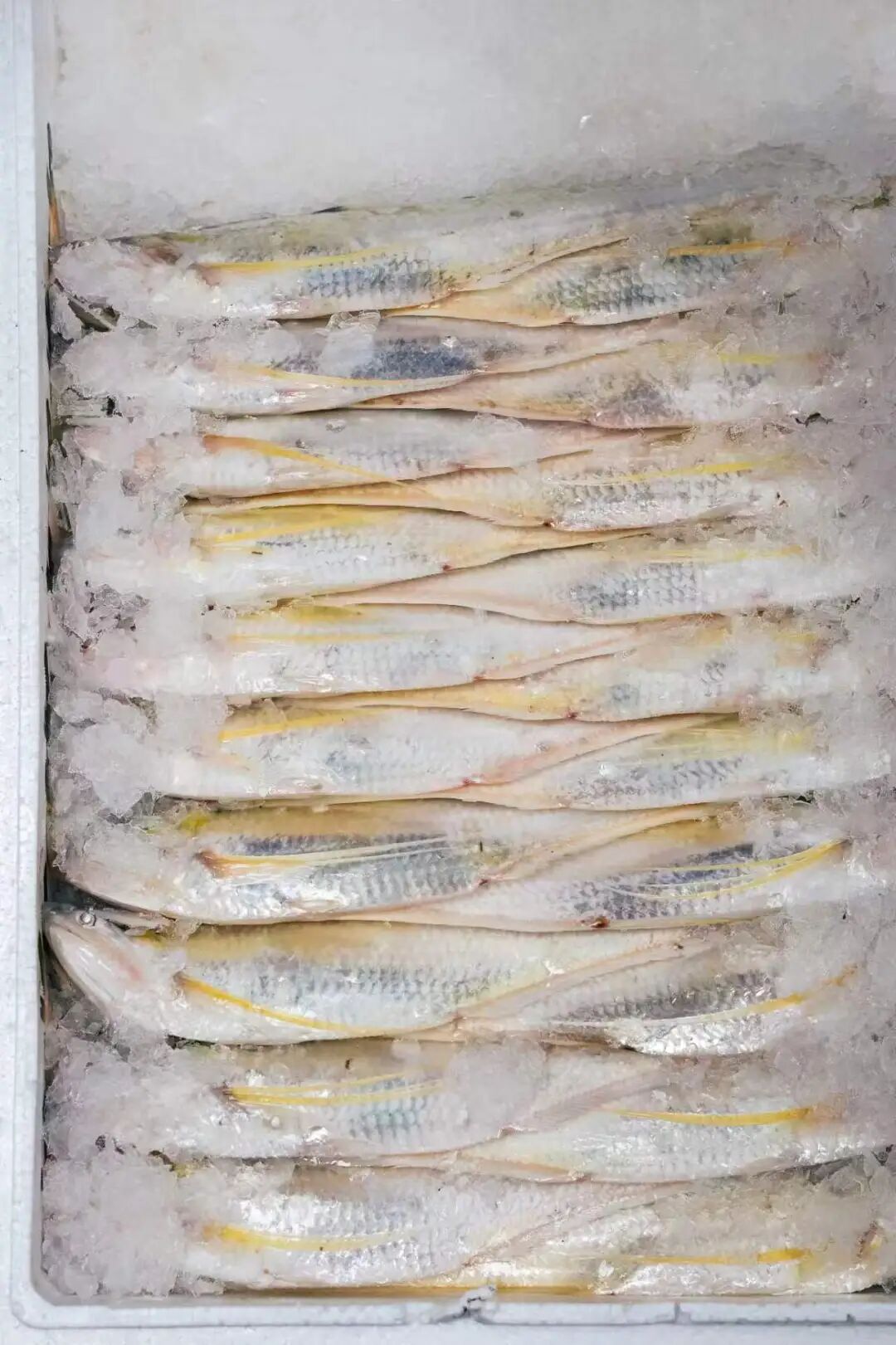
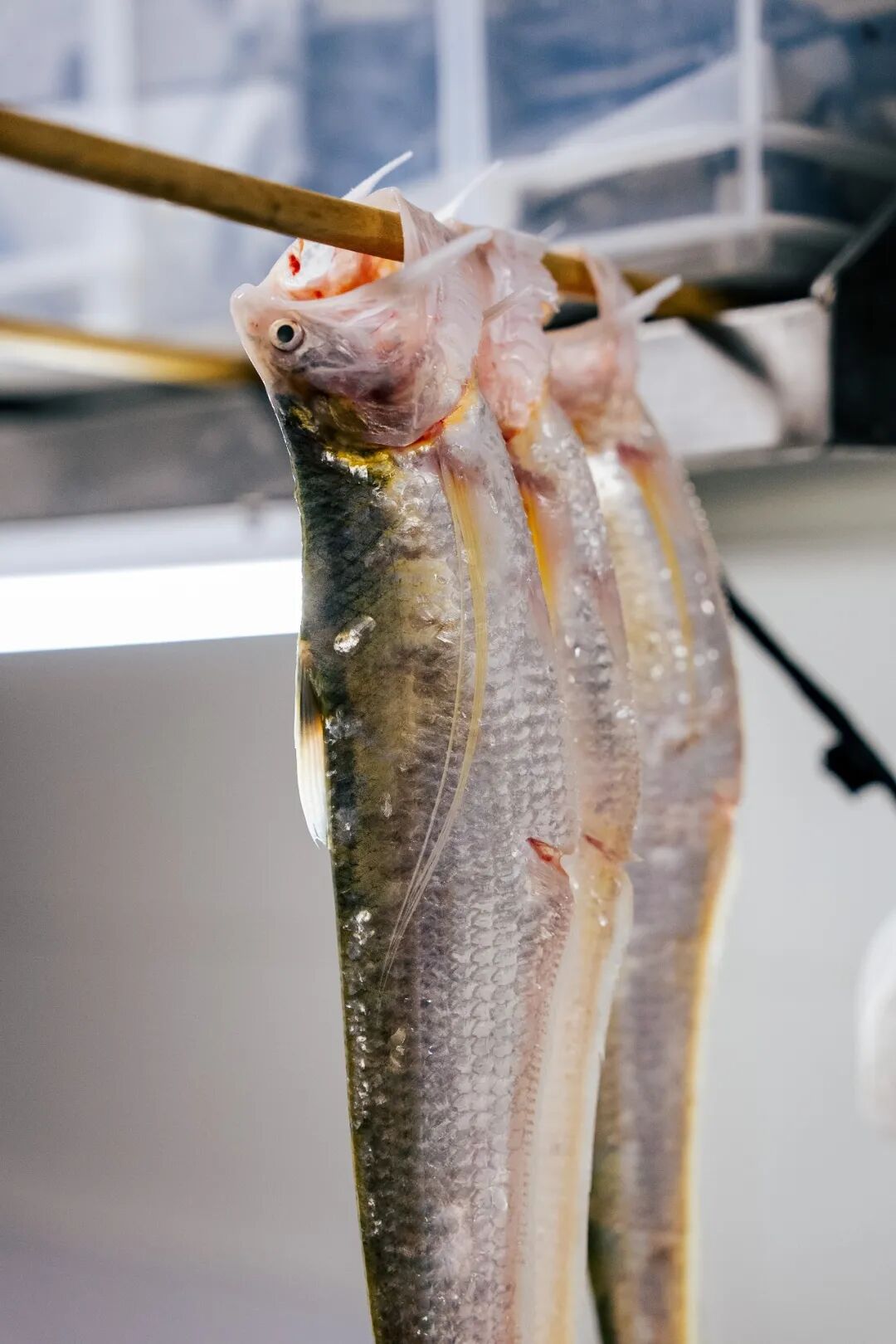
Speaking of anchovy wontons, one name has become impossible to ignore in recent years: Zhang Yongliang. I first heard of him three years ago, when a colleague opened a box filled with neatly packed wontons. “From the Prince of Tapertail Anchovy,” they said, a yearly ritual. That was my first taste.
His restaurant, Yong · Jiang Zhen, is only a short drive from my office.
Tucked inside a garden villa in Sinan Mansions, it opens into a space where tree shadows fall gently across the windows, light shifting in quiet patterns. I sat down and thought: once, at home, a single fish was the centerpiece of a meal. Here, it appears in endless variations.
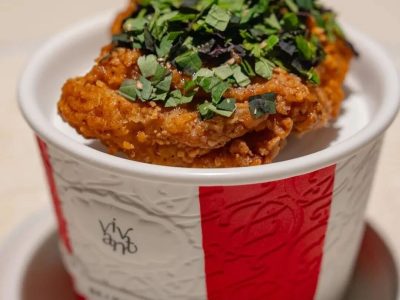
The meal begins with Shanghai-Style Smoked Chinese Tapertail Anchovy. Deep-fried until crisp, then plunged while hot into a sweet-savory sauce, the fish absorbs the seasoning in a play of heat and cool. Each bite crackles softly, sweet, salty, and deeply savory. It recalls the fried fish of childhood, though then we used grass carp; today, it is anchovy. Prepared this way, the bones are no longer a concern.
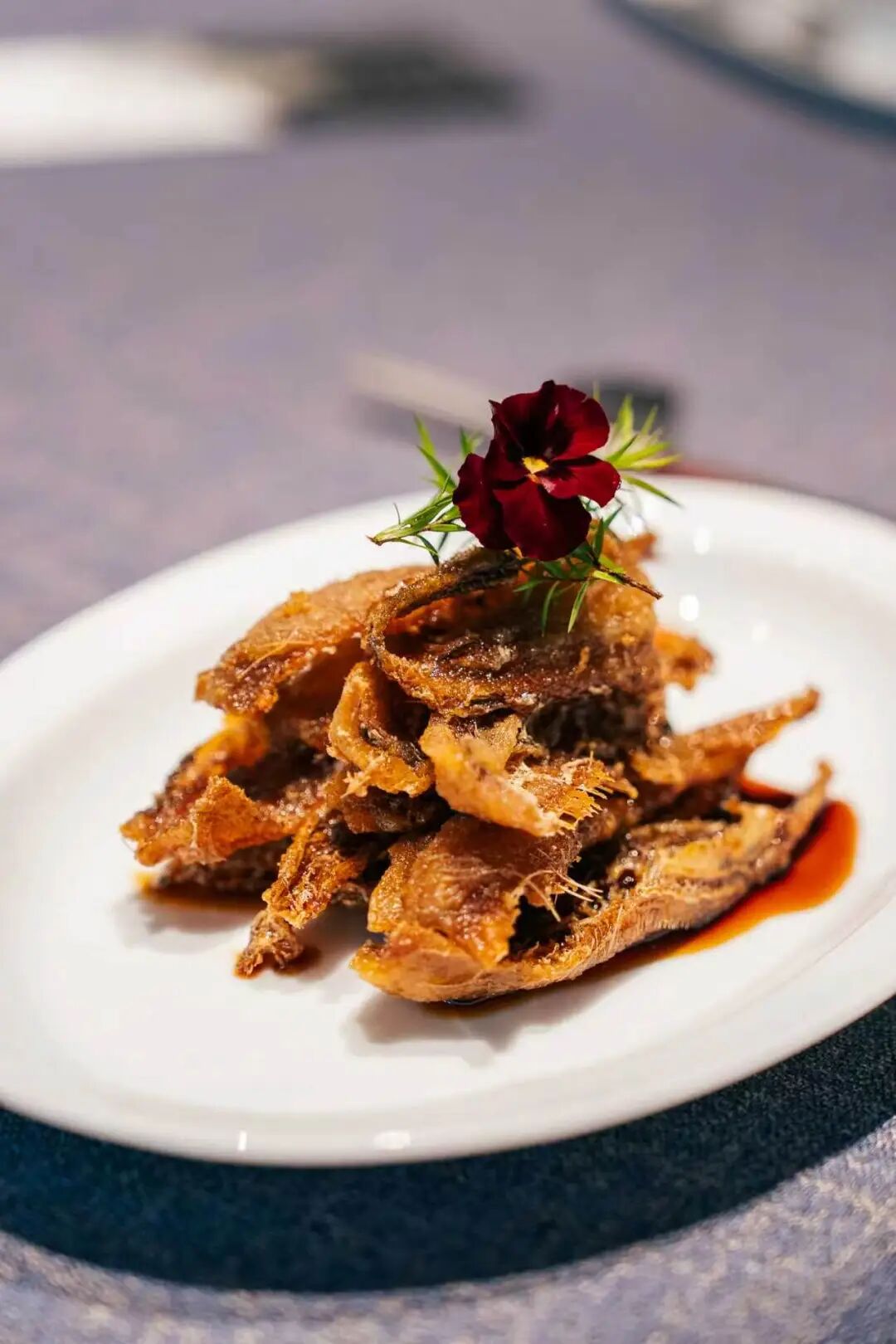 Shanghai-Style Smoked Chinese Tapertail Anchovy
A few cold dishes follow, lightly cured shrimp from Qidong, tender and sweet; clams tossed with mountain greens, pairing sea and land in a clean, refreshing harmony.
Then comes a bowl of soup. Clear enough to reveal the bottom of the bowl, it holds within it a soft white form, like the moon veiled behind gauze. Chinese Tapertail Anchovy “Tofu” in Chicken Broth with Bamboo Fungus and Pigeon Eggs, the anchovy is transformed into a tofu-like curd, set gently in Anhui chicken broth, accompanied by bamboo fungus and pigeon eggs. One spoonful dissolves instantly on the tongue, leaving behind nothing but pure umami.
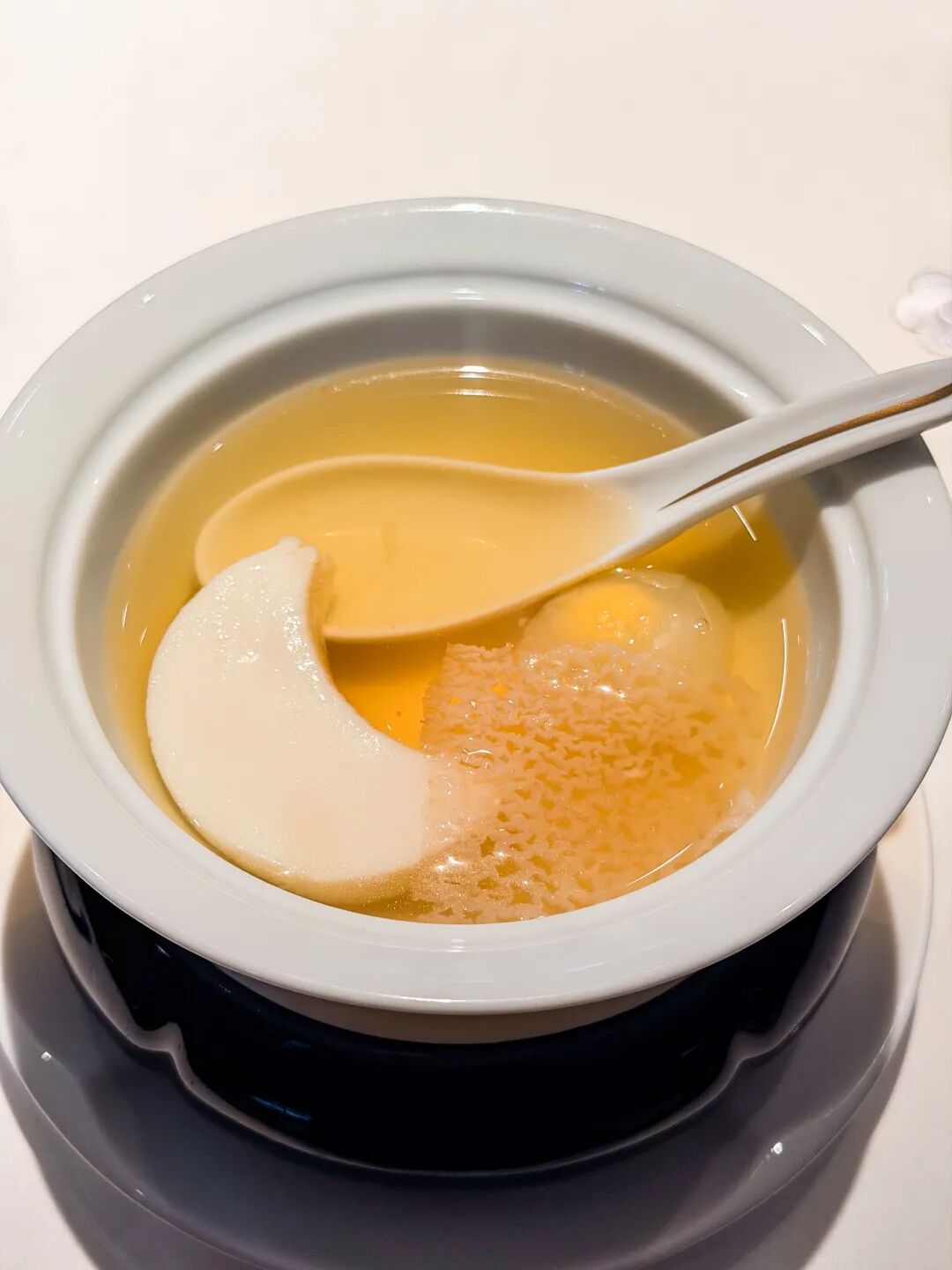 Chinese Tapertail Anchovy “Tofu” in Chicken Broth with Bamboo Fungus and Pigeon Eggs
The centerpiece follows, Steamed Fresh Chinese Tapertail Anchovy with First-Extract Soy Sauce. The fish, caught where river meets sea, is at its peak. First-Extract Soy Sauce, the first extract drawn from the fermentation vat, is rich, deep, and rounded. It is poured over the fish, finished with a spoonful of lard, and gently steamed. When served, the aroma of soy sauce and rendered fat intertwines, elevating the anchovy’s own delicate sweetness.
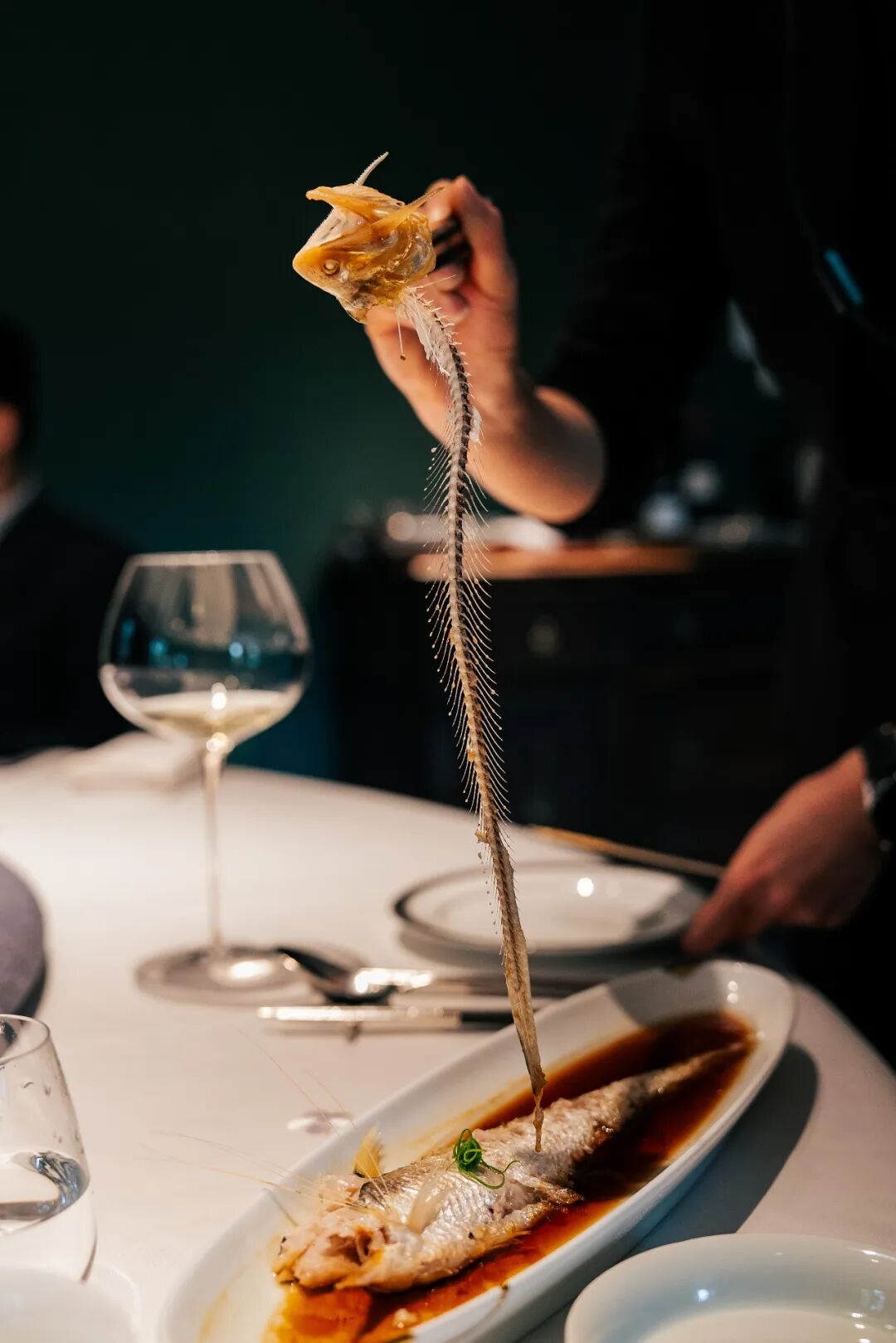 Steamed Fresh Chinese Tapertail Anchovy with First-Extract Soy Sauce
I take a careful bite, pressing lightly with my lips. One moment of carelessness, and that fleeting sweetness could easily turn into a sharp reminder.
Eileen Chang once lamented the many bones of shad, calling it one of life’s three regrets. Yet I find anchovy even more relentless, its bones impossibly dense, almost as if nature had deliberately set a challenge. Perhaps truly exquisite things must resist us a little, just to teach us humility.
The next dish offers some reassurance: Pan-fried Chinese Tapertail Anchovy with Sea Urchin on Toast. Anchovy paste is spread over toast, with molten sea urchin hidden at the center.
Crisp at the base, tender above, one bite releases a rush of sweetness and briny richness. It is almost too hot to eat, yet impossible to stop.
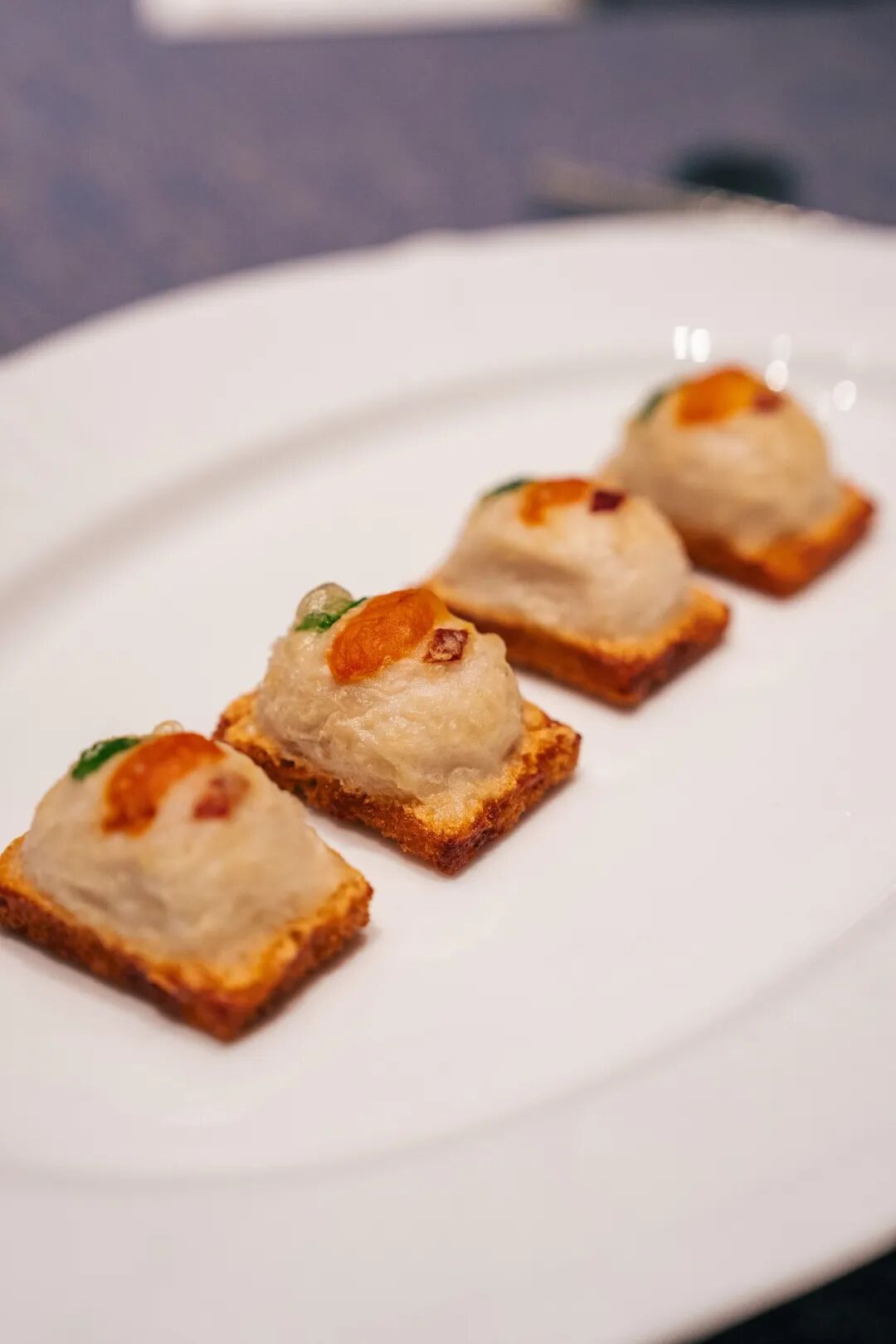 Pan-fried Chinese Tapertail Anchovy with Sea Urchin on Toast
Then comes White-Braised Pufferfish. Prepared in the traditional Jiangyin style, it follows the rule of “three no’s”: no soy sauce, no pepper, no excess seasoning. Only salt is used, allowing the white broth to reduce into a rich, concentrated essence. The flesh is as soft as tofu, any additional flavoring would only intrude.
Perhaps sensing the richness, the kitchen introduces a gentle heat Jiangyin Green-Shelled River Snails with Chukar and Kudzu Starch Noodles. The snails, carefully raised for their plumpness, are served already shelled, no effort required. Paired with chukar from Huangshan and silky kudzu noodles, the dish carries a mild spice. After a few bites, a light sheen of perspiration gathers on the forehead.
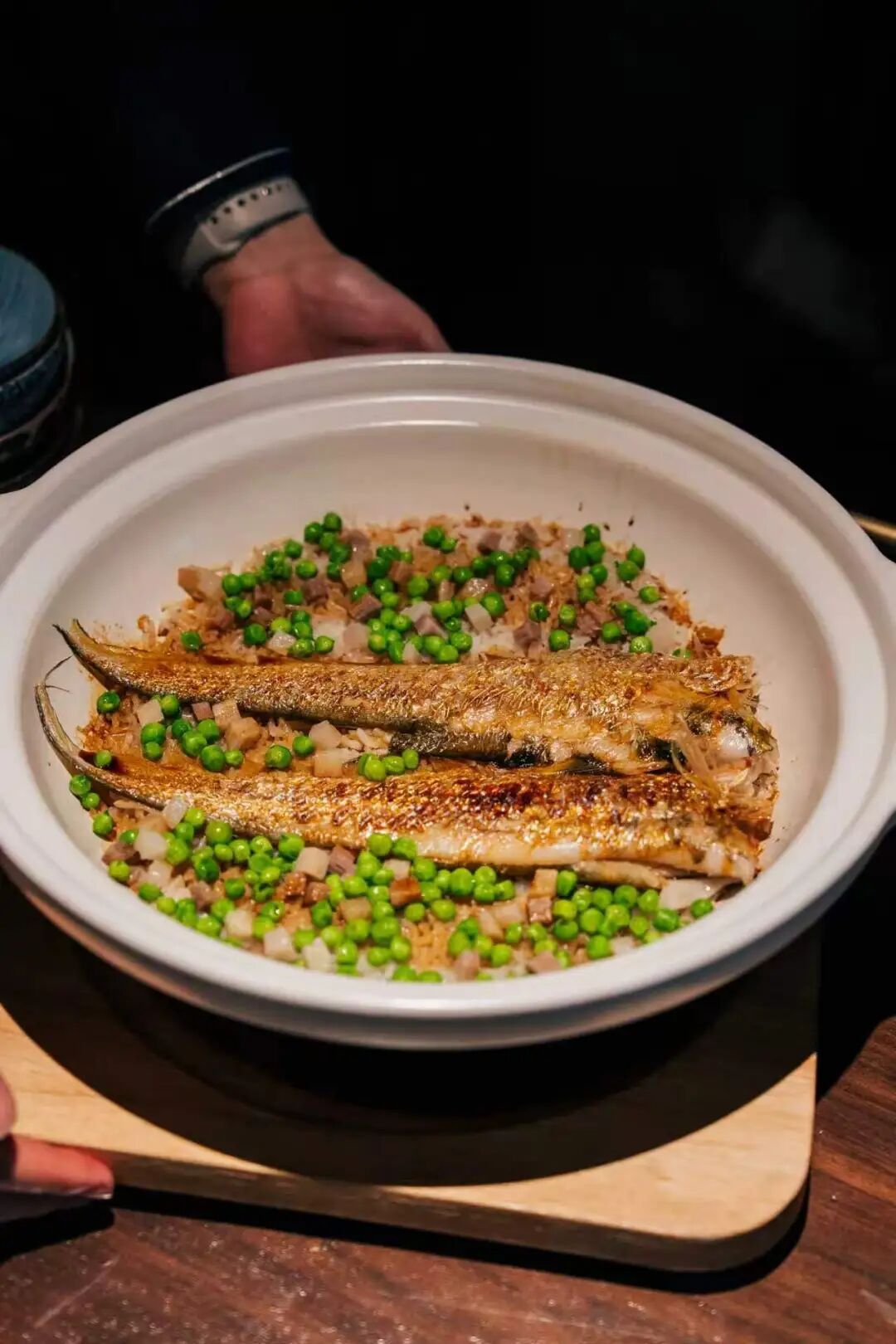
To conclude, a staple Jiangyin Clay Pot Rice with Chinese Tapertail Anchovy. A friend from Jiangyin once described this humble tradition. Rather than steaming the prized fish whole each time, smaller pieces would be layered over rice and cooked slowly, in the manner of clay pot rice. The fish juices seep into the grains, while a delicate crust forms at the bottom, crisp, fragrant, and deeply satisfying.
 Spring Returns, and So Do We to Oriental House
So what makes the Chinese Tapertail anchovy so exceptional?
A beautiful fish, burdened with so many bones. Yet it is precisely this difficulty that defines its allure. The flesh is so tender it falls apart at the slightest touch, melting upon the tongue. And with each bone carefully navigated, the flavor lingers just a moment longer, warm, delicate, with a whisper of sweetness. It feels as though spring itself has been distilled into that fleeting taste.
But its season is brief. Once the bones harden and the flesh loses its softness, one must wait another year. So it is best to sit down while it is at its peak, and patiently savor that perfect bite.
Good things do not wait, but they are always worth waiting for.
Cover Picture:Daniel Tsang
Photos:Daniel Tsang
Author:Lia Shangguan