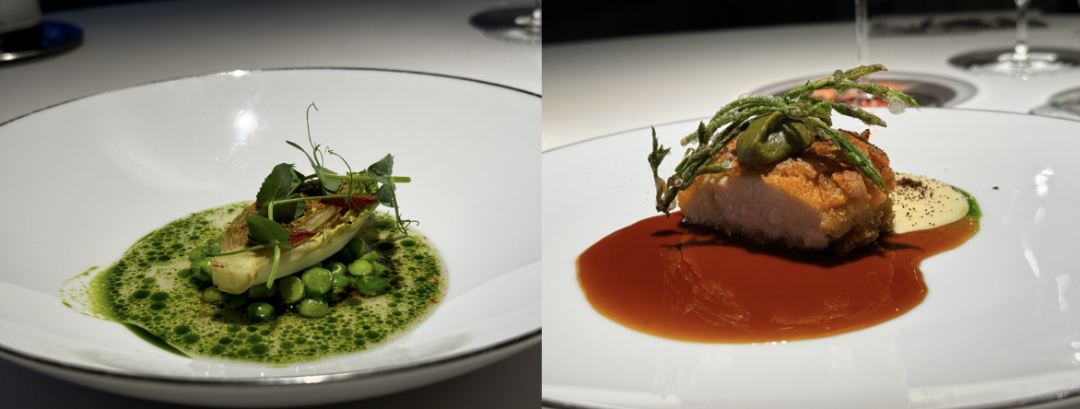
My work, whether curating gourmet tours or "testing restaurants" around the world for reviews, often takes me to hotels of many different types. Yet over the years, I've rarely shared much about the hotels I personally love, as most of my writing has focused on restaurants.
For someone who loves to travel, especially when food is the central focus, the trio of "food, lodging, and transportation" is inseparable. For a food lover, restaurants are of course one of the most important parts of a trip. But a truly "good" hotel can also define the quality and memories of that journey.
I still remember what my former boss told me before I started my own business: "When you travel, never stay somewhere worse than home—that's my minimum requirement." But after ten years of designing gourmet tours, meeting adventurous and colorful travel companions, I know this standard can be hard to maintain. Traveling well requires more time and thought to find and experience hotels with real substance.
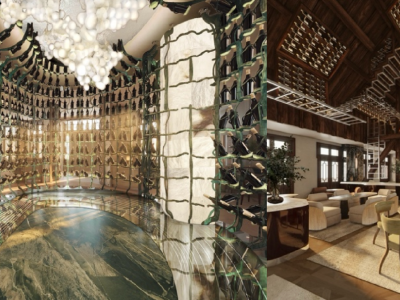
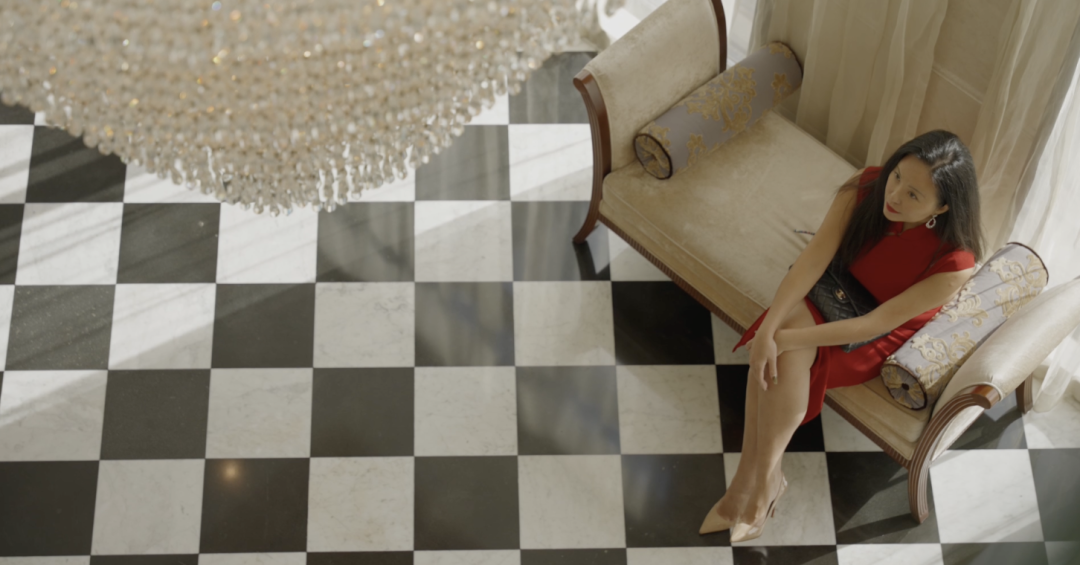 Waldorf Astoria Shanghai
When choosing hotels, the "most luxurious and opulent" is rarely my top priority. Of course, there are certain "must-stay" places, like the Four Seasons in Florence, that you simply have to experience once in a lifetime. But for me, there are a few things I care about most:
A sense of space. I love rooms with high ceilings, openness, and enough breathing room.
Views. What you see from the window can completely change how a stay feels. Whether it's a bustling cityscape or stunning mountain and sea views, the right view elevates the trip.
A great restaurant or bar on-site. If the hotel has a dining option worth trying, it makes the stay even better—you don't always have to rush out.
Location. In small European towns, staying in the historic center means more time to stroll and experience local life. For resort hotels, it's about immersive relaxation.
I also pay close attention to details that are often overlooked: Is the bathroom spacious? Are there plenty of towels? Are the amenities thoughtful? The most understated hotels that excel in these little details are, to me, the truest form of understated luxury.
Bangkok | The Siam
In Bangkok, I almost always spend two nights at The Siam. Originally purchased in 1973 as a private pier by the Sukosol family, it was transformed into a boutique hotel in 2012. The hotel has only 39 suites and villas, each with high ceilings and ample space, offering true privacy without any sense of confinement.
Its design blends traditional Thai elements with Art Deco aesthetics. The project was a collaboration between Krissada Sukosol Clapp, a family member and well-known entertainer, and internationally acclaimed architect Bill Bensley. Both were deeply involved in shaping the hotel's concept, layout, and intricate details.
Serving as a showcase for Krissada's personal art and antique collection, The Siam feels like a mix between a private residence and an art gallery. Public spaces account for 40% of the hotel's area (compared to the typical 10% in other hotels), reinforcing the feeling that you're staying in a private estate rather than just a hotel.
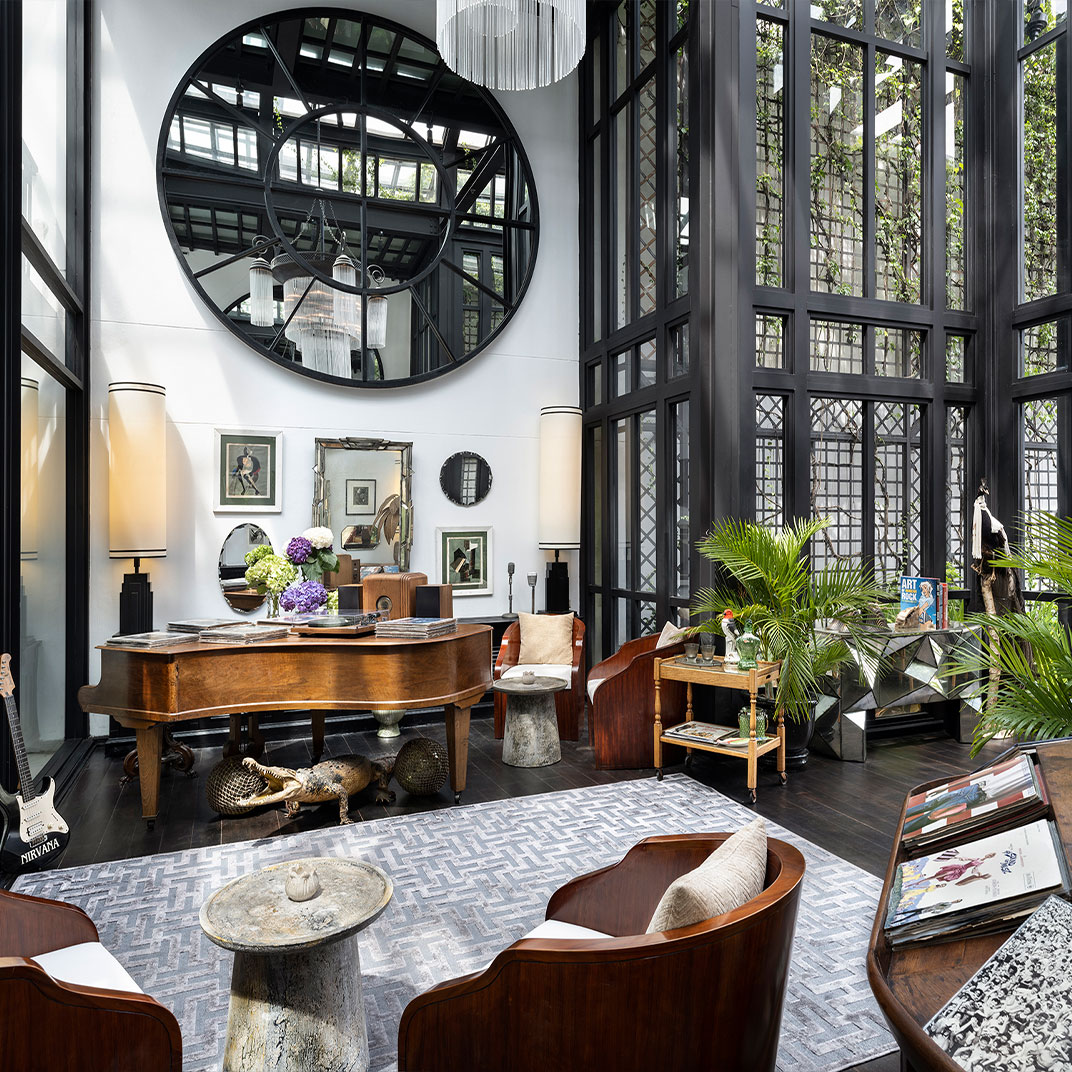
Every corner is filled with collectibles and thoughtful details. Located along the Chao Phraya River, the hotel even offers boat transfers to the city center, sparing guests from Bangkok's notorious traffic jams. There's an excellent traditional Thai restaurant on-site, as well as a bar, Thai boxing gym, and spa—all with an understated approach.
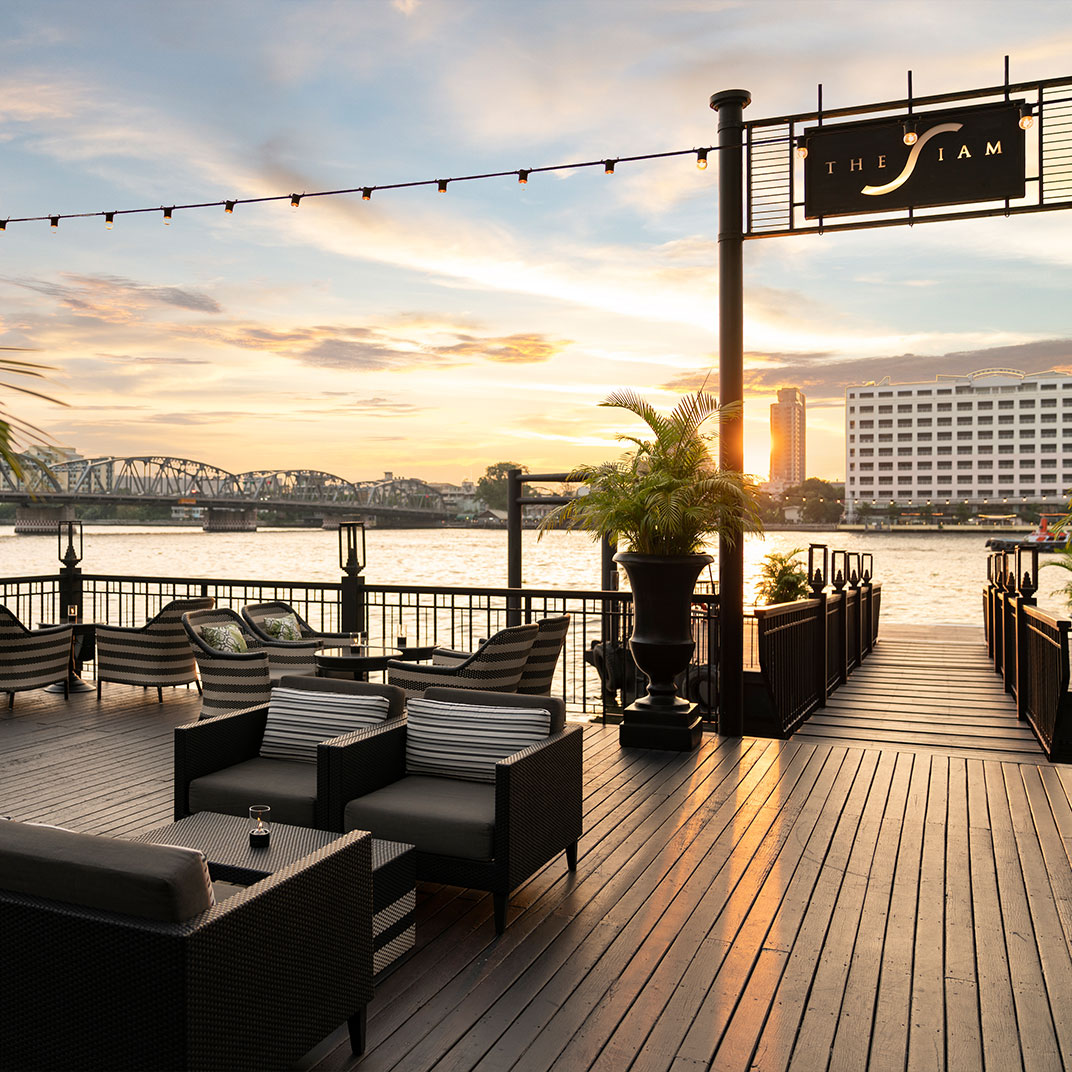
The rooms are so spacious that time feels slower there. Wandering through the courtyards is like strolling through a private garden. Sitting by the open-air pool with a drink, watching the river flow—you simply unwind. If you also want to experience Bangkok's lively city center, you might consider staying elsewhere for the remaining nights.
Kyoto | The Mitsui Kyoto
In Kyoto, my"white moonlight" is The Mitsui Kyoto. When I first heard the name, I shallowly assumed it was just a standard Mitsui business hotel. After staying there, I completely changed my mind.
The Mitsui Kyoto is Mitsui's flagship hotel, and in July 2024 it was named one of only six Michelin three-key hotels in Japan. The property was once the residence of the Mitsui family for over 250 years, located conveniently next to the UNESCO World Heritage site Nijo Castle, within walking distance of many key attractions.
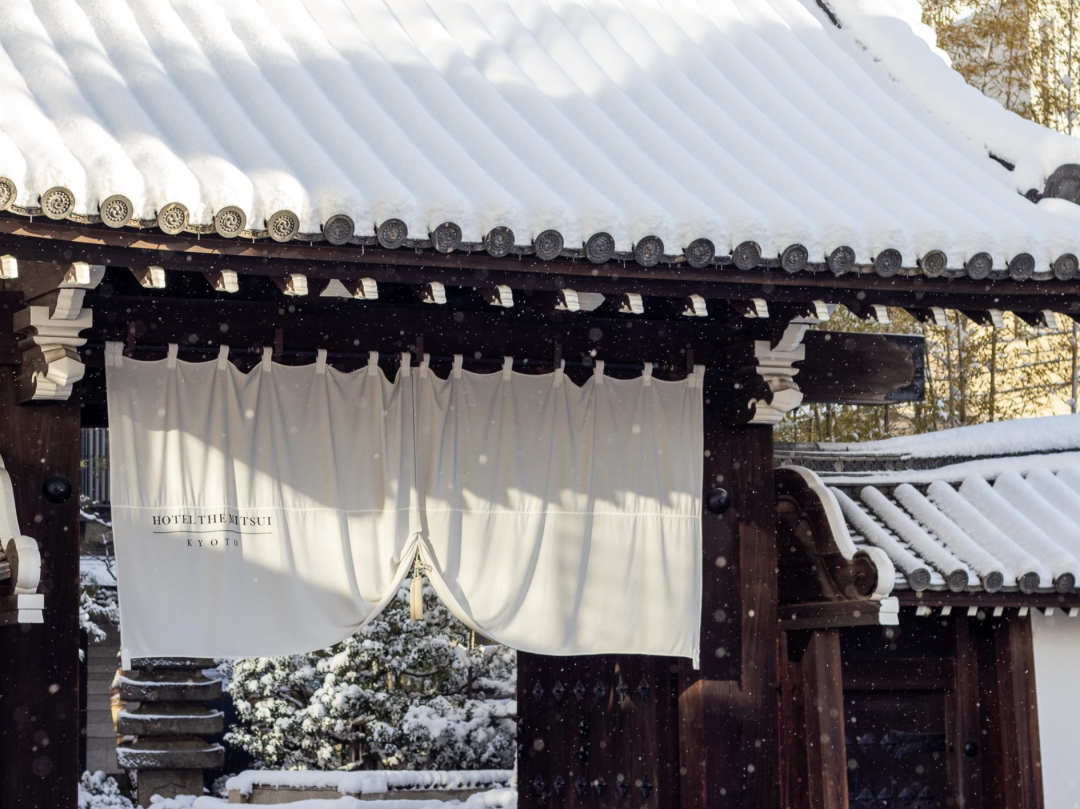
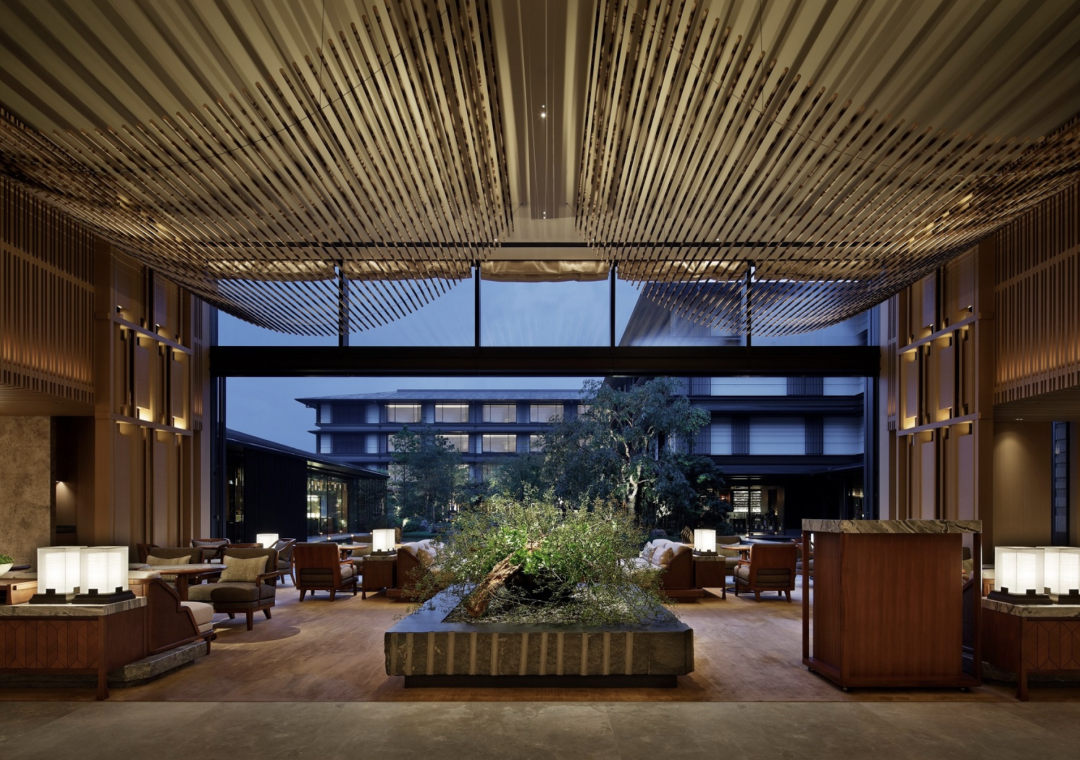
The lobby is intimate yet warmly modern, with soaring glass windows opening up to a 1,300-square-meter Japanese garden. On sunny days, the two-story glass doors open fully, seamlessly blending indoors and outdoors. Just imagine sitting here during cherry blossom season—it's breathtaking.
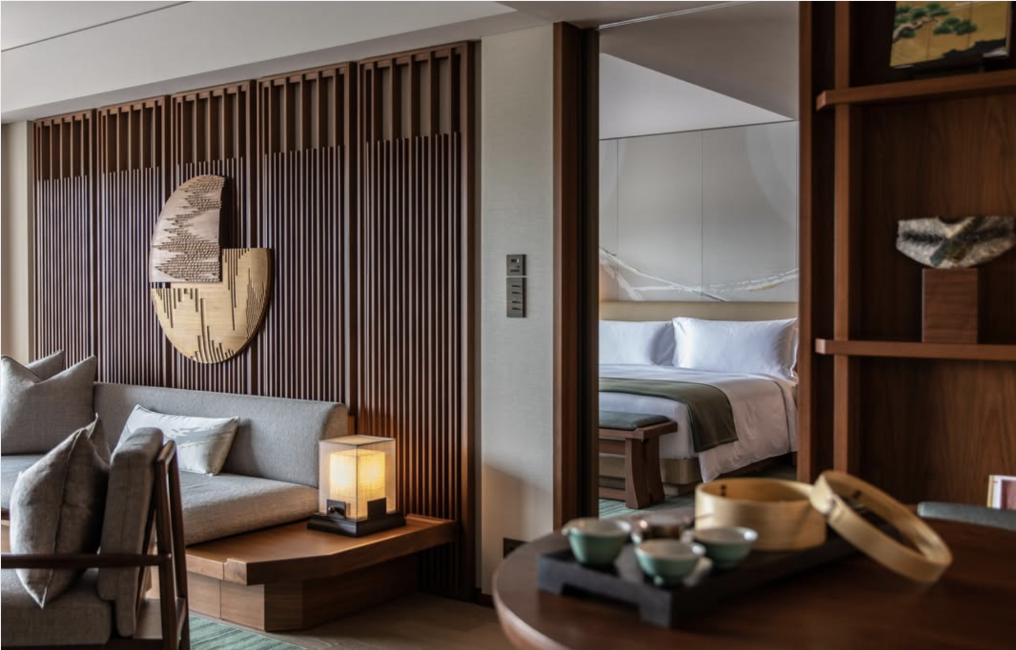
Designed by Andre Fu, the rooms feature warm wood tones, a refined balance of traditional Japanese craftsmanship and modern sensibility. Even the smallest room is 40 square meters, and the tableware in the room carries a local Kyoto touch. Evening turndown service often includes delightful surprises tied to local culture, such as a matcha lip balm from Hakuhodo.
The hotel boasts a full-floor spa and natural onsen, a rare luxury in central Kyoto, and offers activities like tea ceremonies and art tours. The Garden Bar is the perfect place to enjoy a drink in the evening while sitting on chairs designed with a Japanese aesthetic—utterly charming.
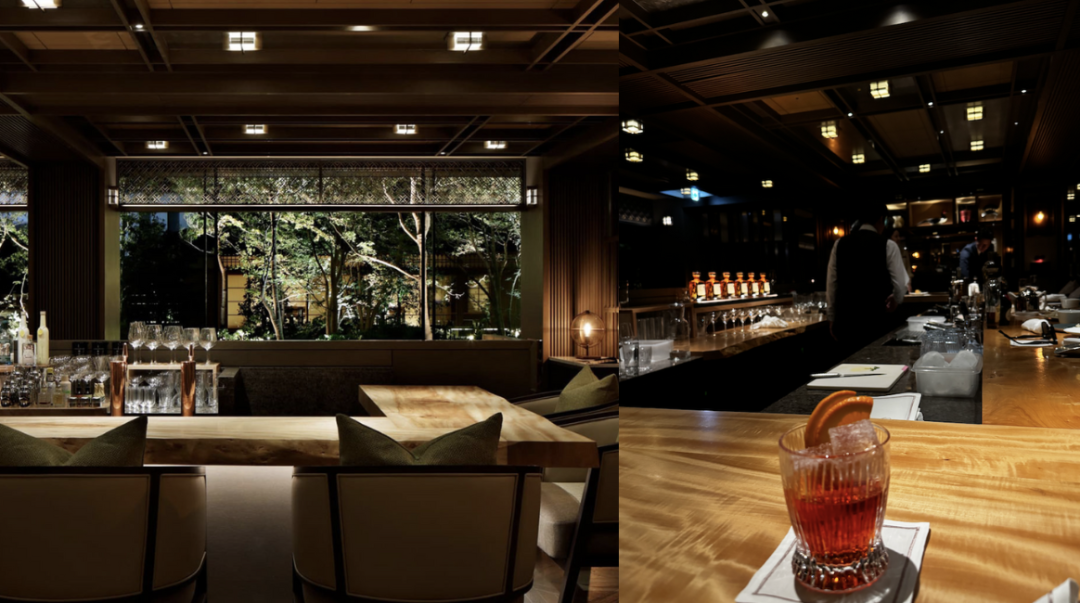 Garden Bar
Barcelona|Alma Barcelona
In Barcelona, my favorite hotel in recent years has been Alma GL Barcelona. It's centrally located, just a three-minute walk from Casa Milà and close to several three-Michelin-star restaurants.
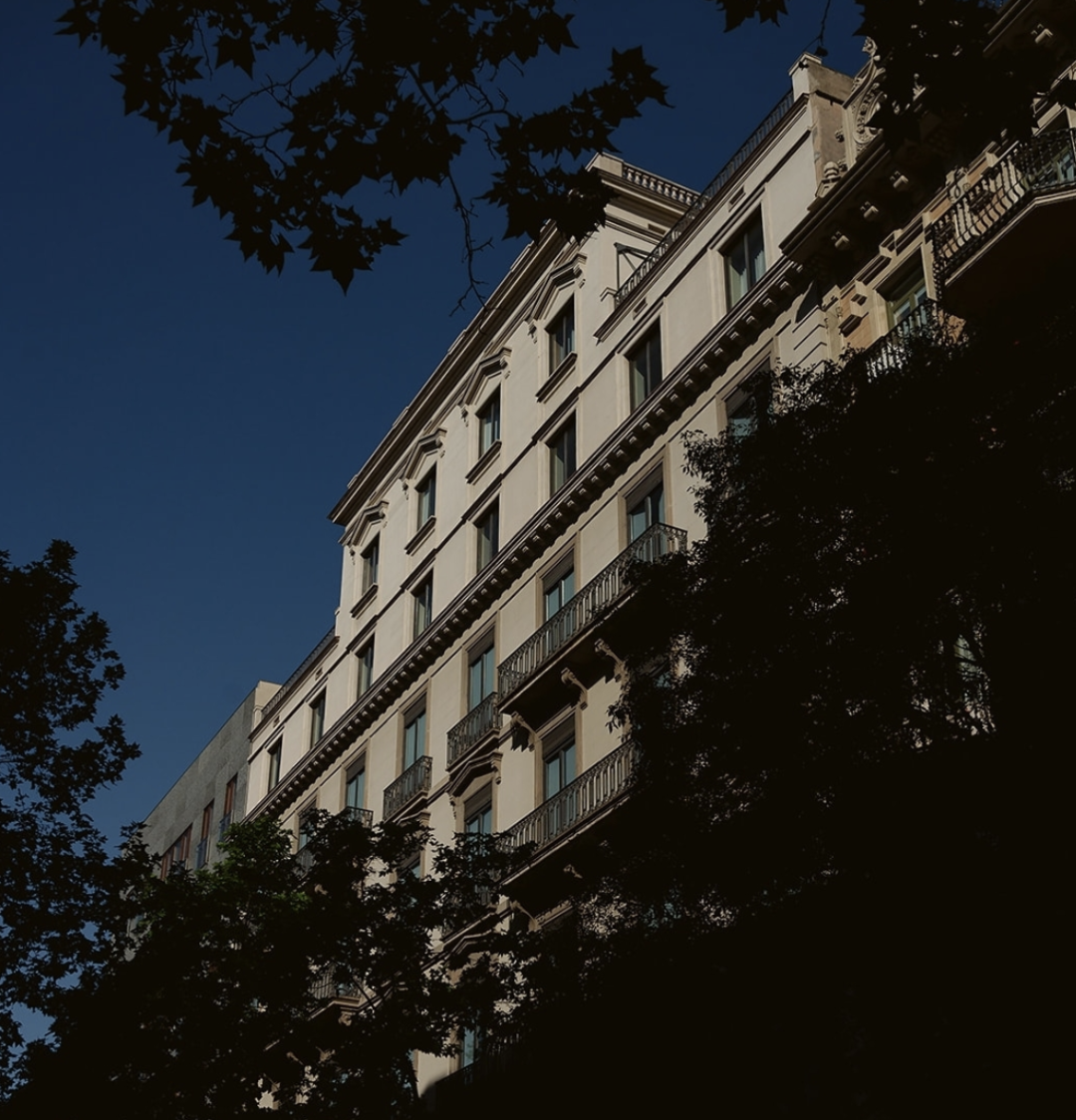
Family-owned, Alma feels understated from the moment you arrive. The sunken reception desk resembles an office more than a hotel check-in. Upstairs, the lobby feels like a cozy living room, leading up to a lofty atrium that brings in shifting light through the skylight. Behind the lobby lies a bar and a lush garden filled with greenery and shaded seating—a rare oasis in the heart of the city.
Suites range from 60–80 square meters, featuring a tasteful, minimalistic Morandi color palette. The executive suite I stayed in last time was a 77-square-meter blue-toned room—elegant, functional, and free of unnecessary decor. The bathroom was spacious and relaxing. Even small details stood out, such as portable bottled water, perfect for a single outing.
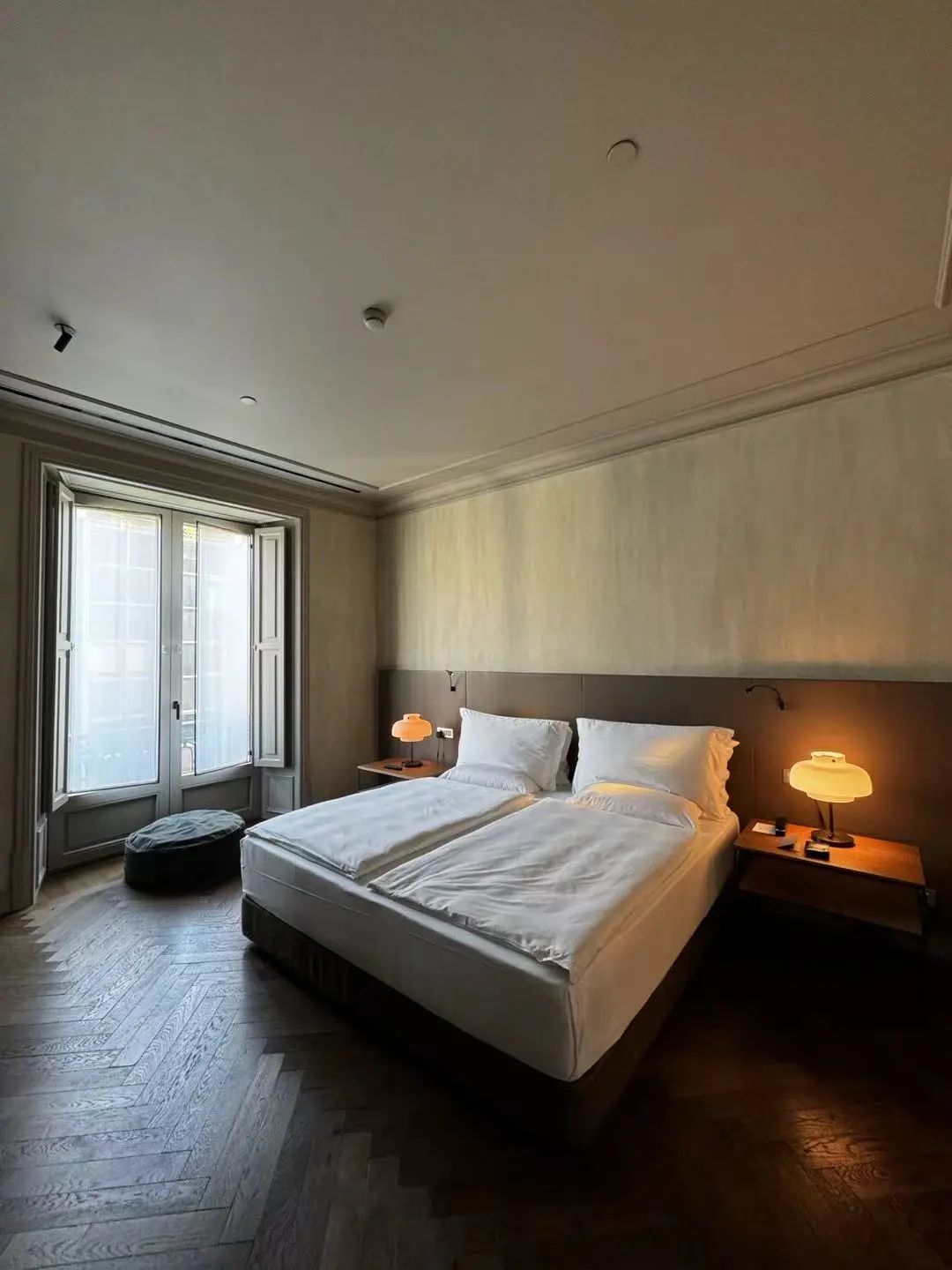
The service is always warm and thoughtful. I remember once, while explaining the itinerary to my gourmet tour group, the hotel staff spontaneously offered champagne. The attention to details during the stay speaks for itself.
Modena | Casa Maria Luigia
Casa Maria Luigia is a restored 18th-century country villa purchased in 2017 by Massimo Bottura and his wife Lara Gilmore, opening to guests in 2019. It's about a 15-minute drive from Modena city center. Though it opened just before COVID, it quickly gained strong support from Italians.
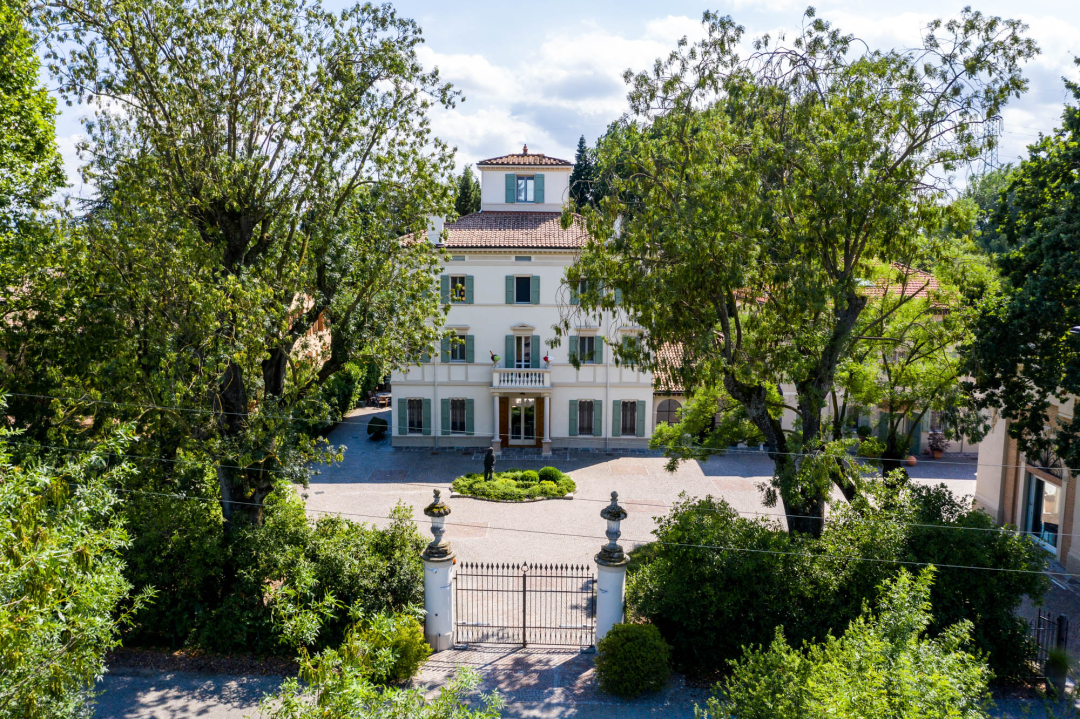
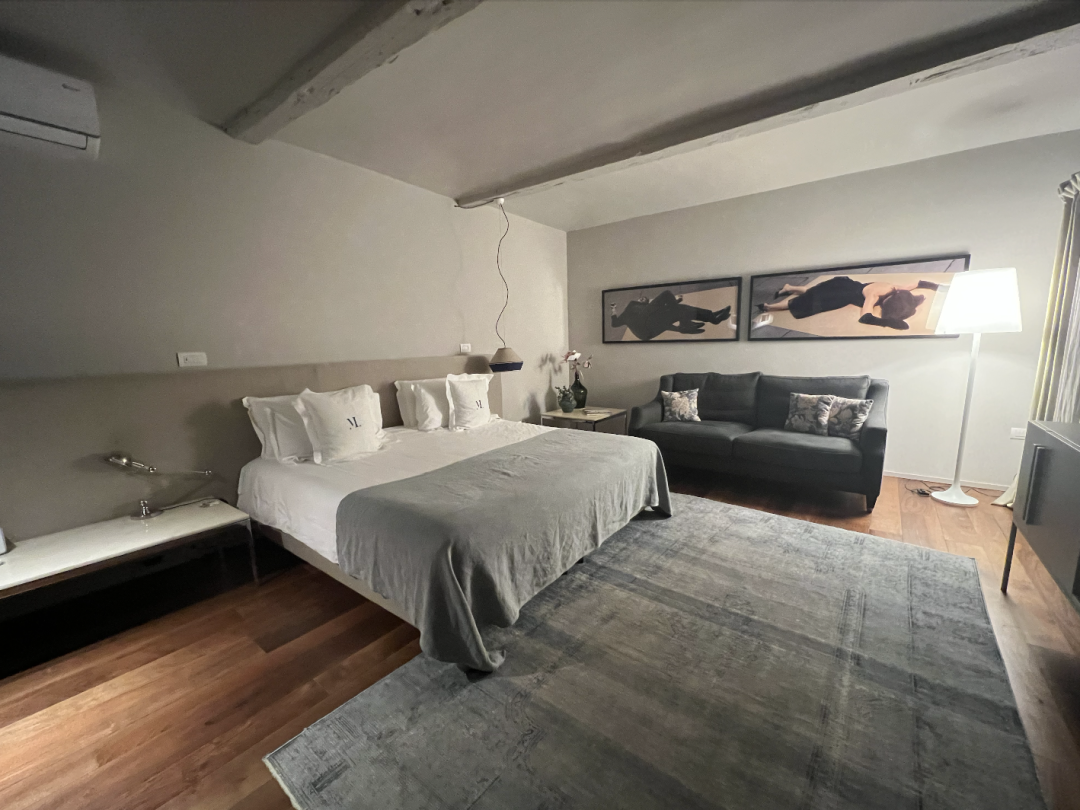
The hotel has only 12 rooms, plus a three-bedroom villa that requires early booking. Each room is uniquely designed, filled with the couple's personal art collection—a blend of classical and contemporary works, some even furnished with Gucci home pieces.
The communal spaces feel like an artist's home, mixing 1940s furniture with modern design. The highlight is the open kitchen, where guests can freely help themselves to drinks and local wine from the fridge.
On-site is Francescana at Maria Luigia, housed in a converted carriage house with vaulted brick ceilings, decorated with works like Damien Hirst's The Last Supper prints and Alessandro Mendini's tables. The restaurant offers a special menu featuring classics from Osteria Francescana—Massimo Bottura's three-Michelin-star restaurant, once ranked No. 1 in the world (2016 and 2018)—with priority given to hotel guests.
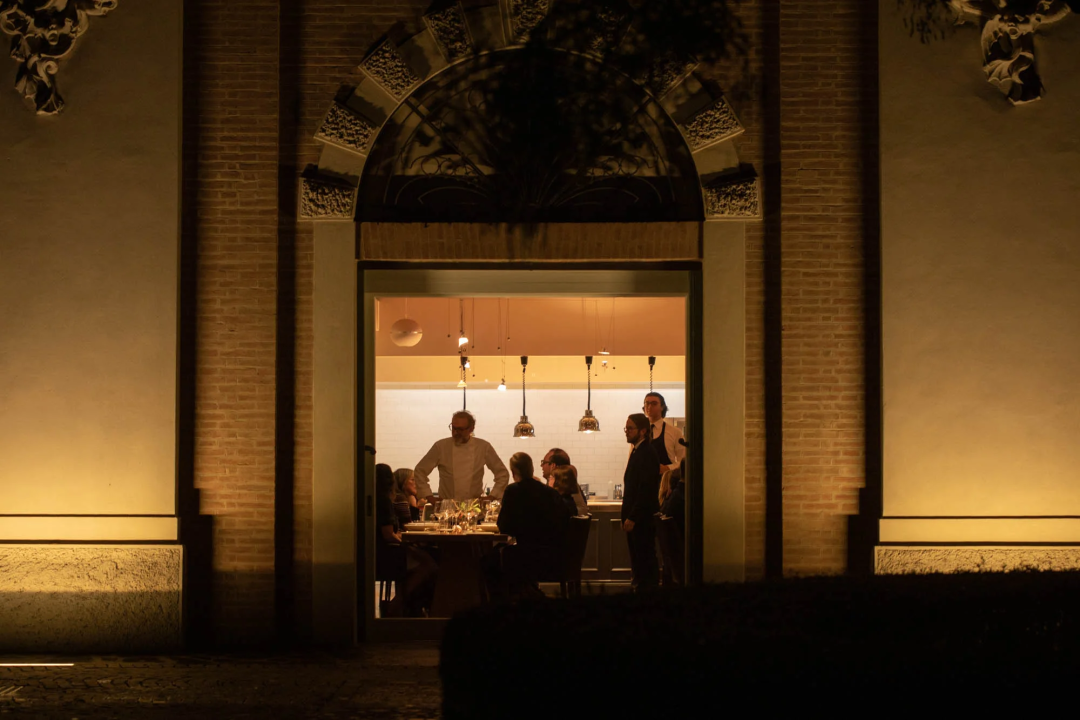
The Sunday brunch, Tòla Dòlza, celebrates local ingredients with a slow-food approach. Casa Maria Luigia also has a swimming pool, tennis courts, and a music room with 8,000 vinyl records—it truly feels like Bottura's private estate, simply opened to guests. Last time we stayed, we even spotted Bottura watching a football game in the media room next door.
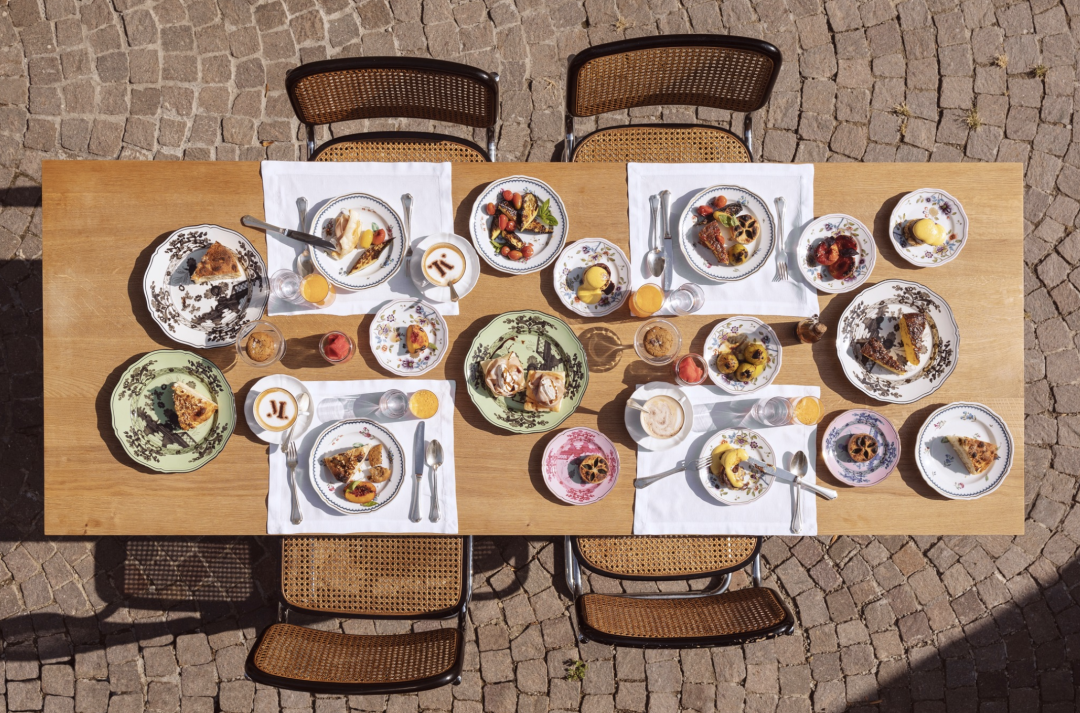
It feels like their home, where a couple with impeccable taste invites you to share in their way of life.
Lake Garda | EALA
During my gourmet trips to Dolomiti and Lago di Garda, EALA holds a special place. A long-standing family-run business since 1952, it is now managed by the third generation, who renovated it into its current form. Guests often stay here to dine at the nearby Lido 84 restaurant, but the stunning Lake Garda scenery is equally a reason to visit.
Lake Garda is Italy’s largest lake, with breathtaking views. In the early morning, the water resembles a giant mirror, shifting colors with sunlight and passing clouds. At sunset, the lake glows in soft golden hues while distant mountains turn shades of red and orange. Many people prefer Lake Como for its refined elegance, but Lake Garda's beauty is vast, dramatic, and even a bit wild, leaving you in awe.
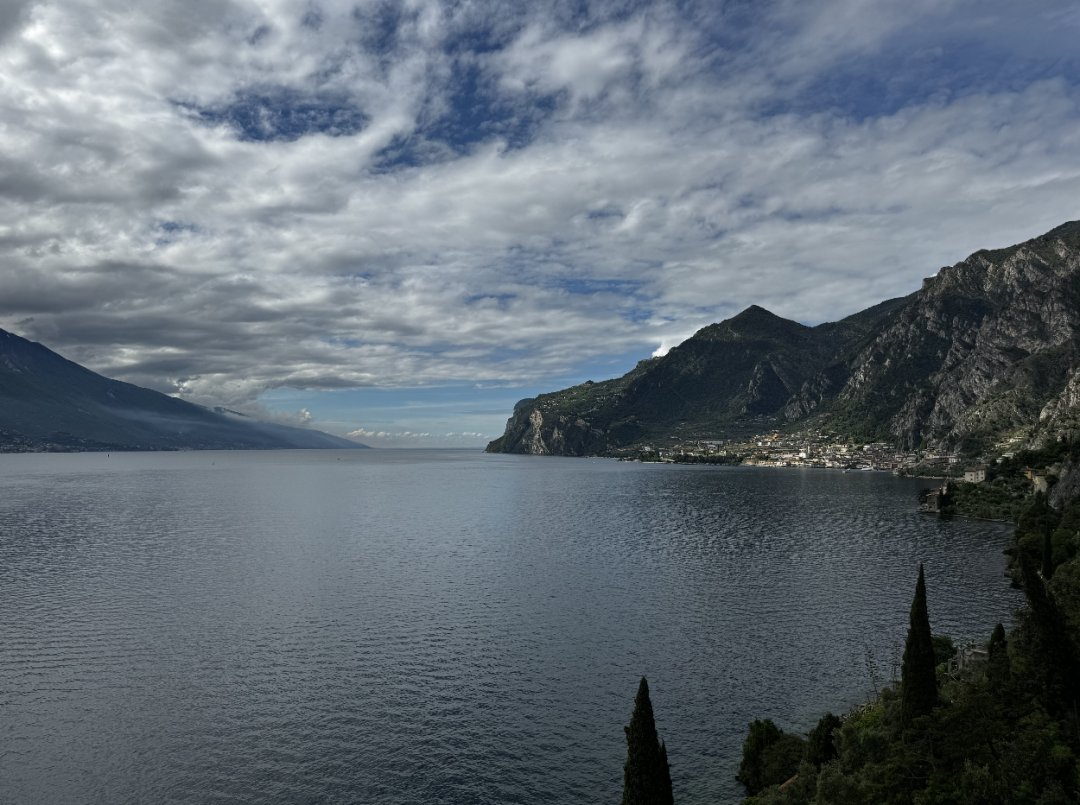 Lake Garda
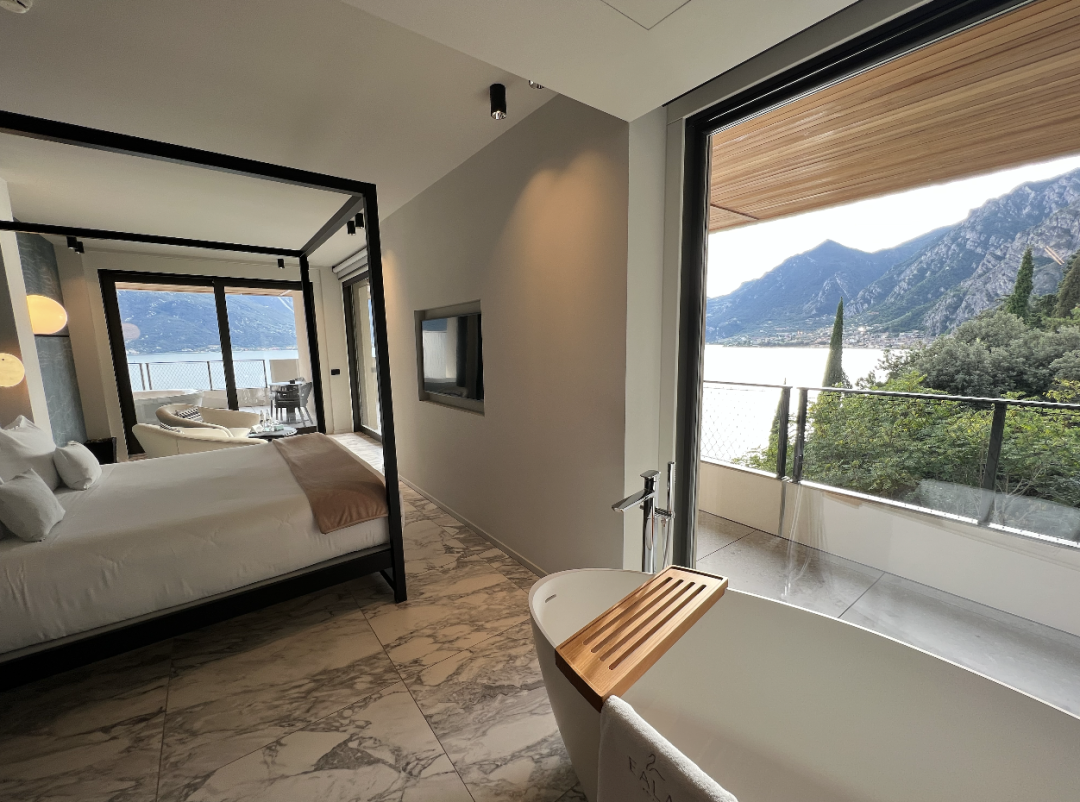
In Celtic, Eala means "swan," symbolizing peace and romance. The hotel has only 67 suites, each with a balcony or terrace overlooking either the lake or mountains. Some rooms even have outdoor bathtubs—soaking in hot water, sipping champagne, and gazing at the lake in winter is pure bliss.
The restaurant Senso Lake Garda, advised by two-Michelin-star chef Alfio Ghezzi and helmed by Japanese executive chef Akio Fujita, serves refined, locally inspired dishes. Although EALA is a resort, you can easily walk to Limone sul Garda, the picturesque lemon town on the lake's north shore.
I always recommend staying at least two nights to truly appreciate its scenery, cuisine, and spa. What makes EALA unforgettable isn't just its design, views, or food—it's the thoughtful details: the sense of space in the rooms, the amenities, the bathroom design, and those quiet, subtle touches that simply feel just right.
If you enjoy understated luxury, cultural atmosphere, and thoughtful details, you may fall in love with these hotels too.
Author: Jocelyn 華姐
Photo: guide.michelin.com、thesiamhotel.com、almahotels.com、casamarialuigia.com、instagram@casamarialuigia、@ealamylakesidedream、@hotel_the_mitsui_kyoto、@billbensley