Monica Zhao, the owner of Proust, is a renowned collector who stays true to herself with avid love for art and food.
Her brand YYCW is dedicated to promoting traditional Chinese culture. Apart from providing quality cultural experiences, Monica hopes to create a brand-new concept of the restaurant industry with her passion and insight for culture-derived fields.
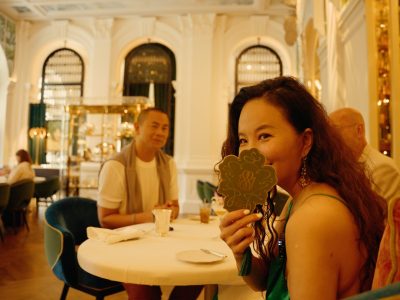
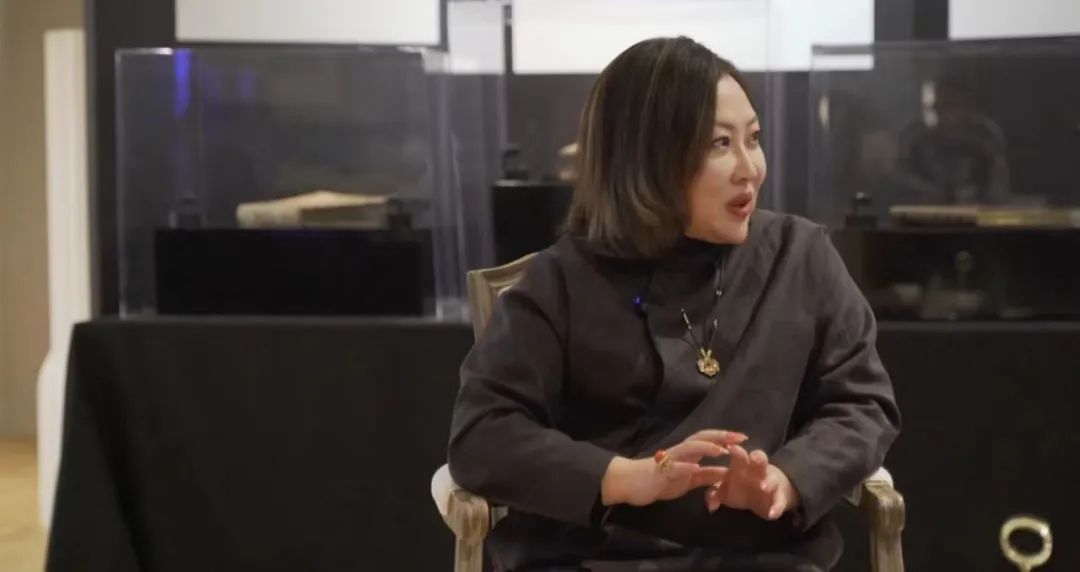 Monica Zhao, the owner of Proust
"Opening bookshops, researching collections and running events are for spiritual enrichment; food, on the other hand, brings sensual delight," Monica shares, "Food is something very accessible. It lights up the world. No matter who you are, it brings joy and our mood alive." Whether it's culture or lifestyle, there is not just high art like poetry, books and theatre. Art and culture can be seen and appreciated in daily life. To explore the beauty of art and culture is to experience a pleasure both physically and psychologically.
Conveying culture through food is a mission carried by Proust since its opening. Creating a world of aesthetics and contemplation, the restaurant aspires to offer a full spectrum of cultural and life experiences, which also encompasses refined dining experience.
Located in Hongqiao Libao Square, Proust houses exceedingly artistic dishes and warm services for anyone that walks into the door.
Thinly sliced raw marinated shad fish are beautifully plated and paired with pickled sweet pepper for a balanced note. Garnished with fresh herbs and sturgeon roe, the starter marks a picturesque entry with unpretentious elegance and simplicity.
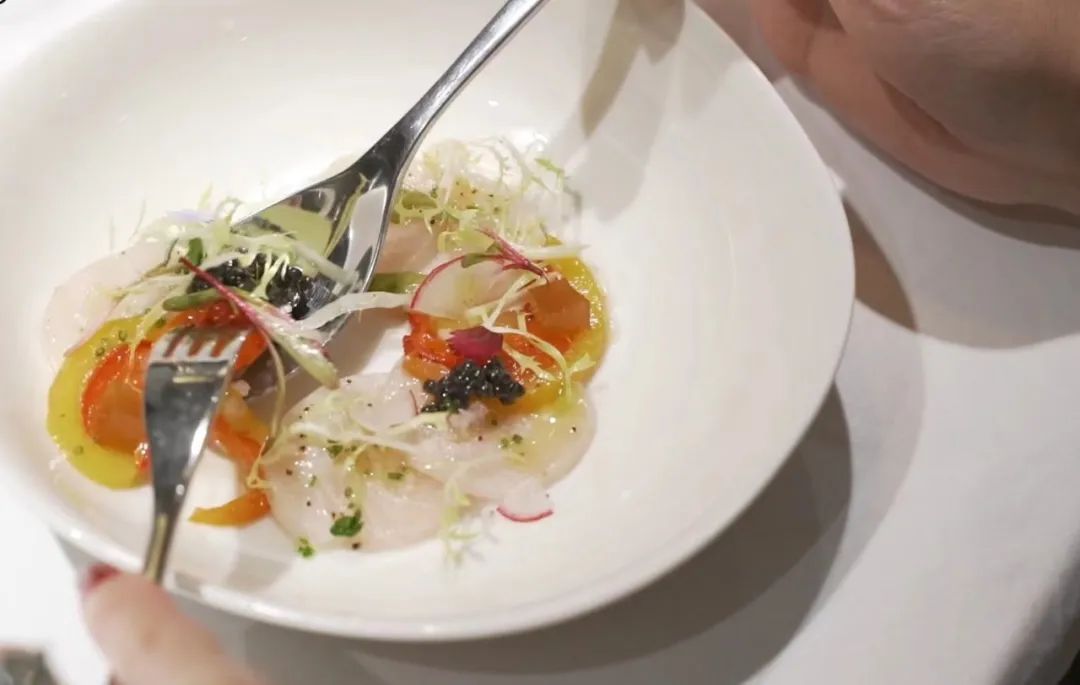 Yellow Tail Shad Carpaccio
Poached organic onsen tamago (soft-boiled egg) is served with sautéed wild mushrooms, parsnip puree, Spanish jamón and fresh truffle. Quality ingredients shine on their own.
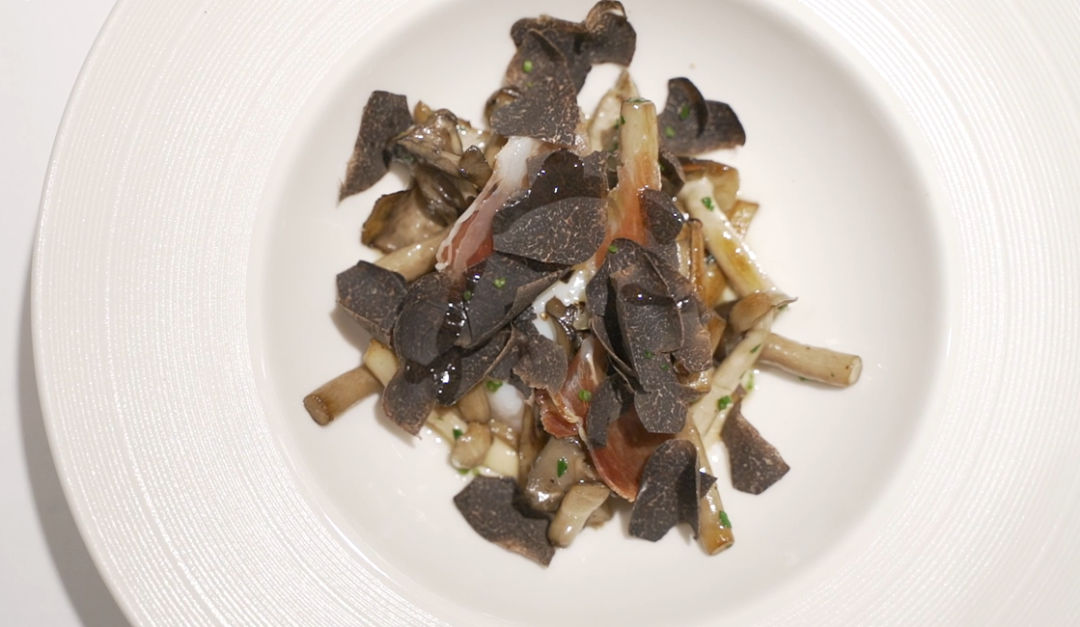 Sous-vide Farm Egg
Iceland halibut fillet is seared to perfection, crispy on the outside and juicy on the inside. It is coupled with clam sauce, asparagus and zucchini pasta for a delicious and umami finishing touch.
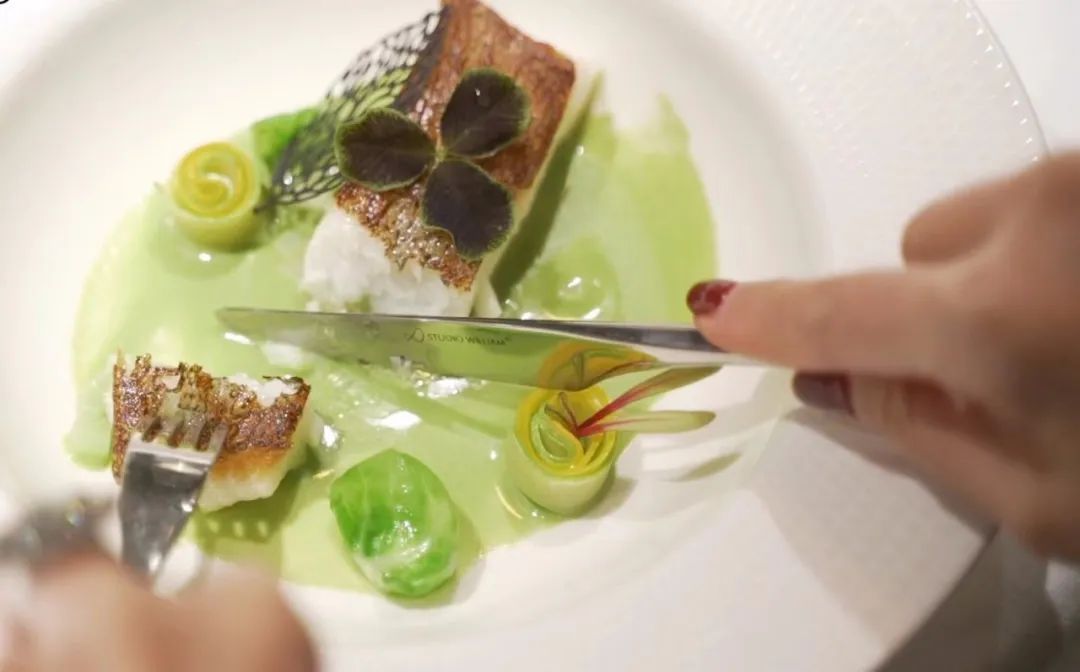 Pan-Seared Icelandic Flounder
Handmade orecchiette is cooked in fish bone seafood soup and served with Argantine red shrimp and baby squid for a rich mouthfeel. Chewy and full of umami flavours of the sea. This is likely the best pasta dish in Hongqiao area.
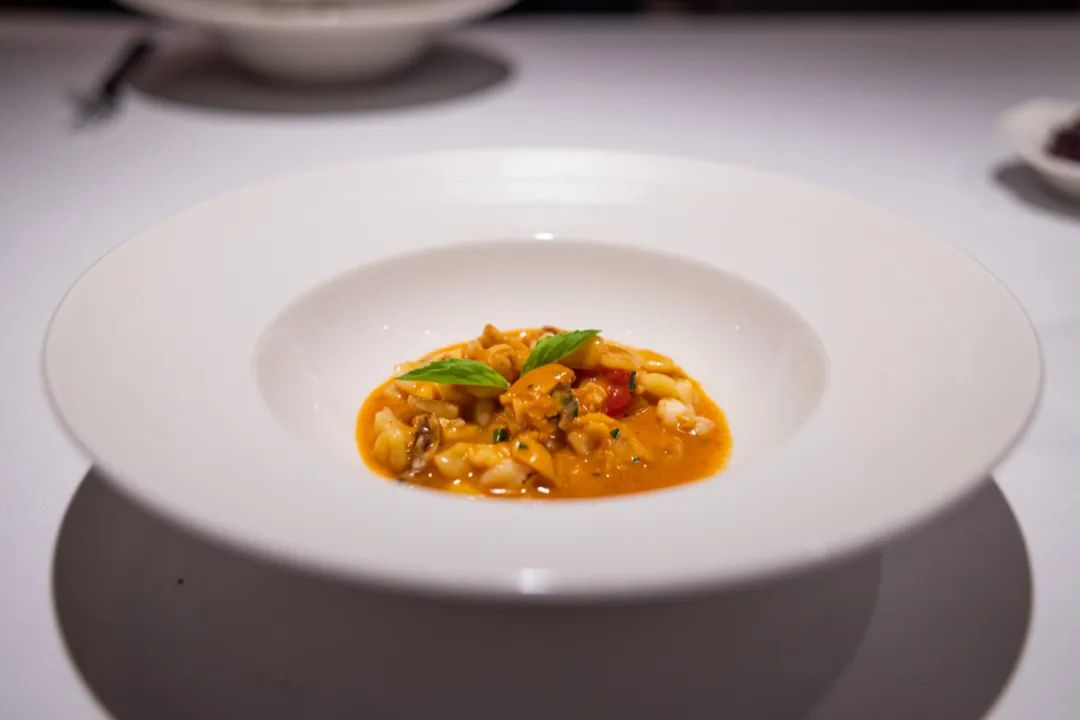 Handmade orecchiette
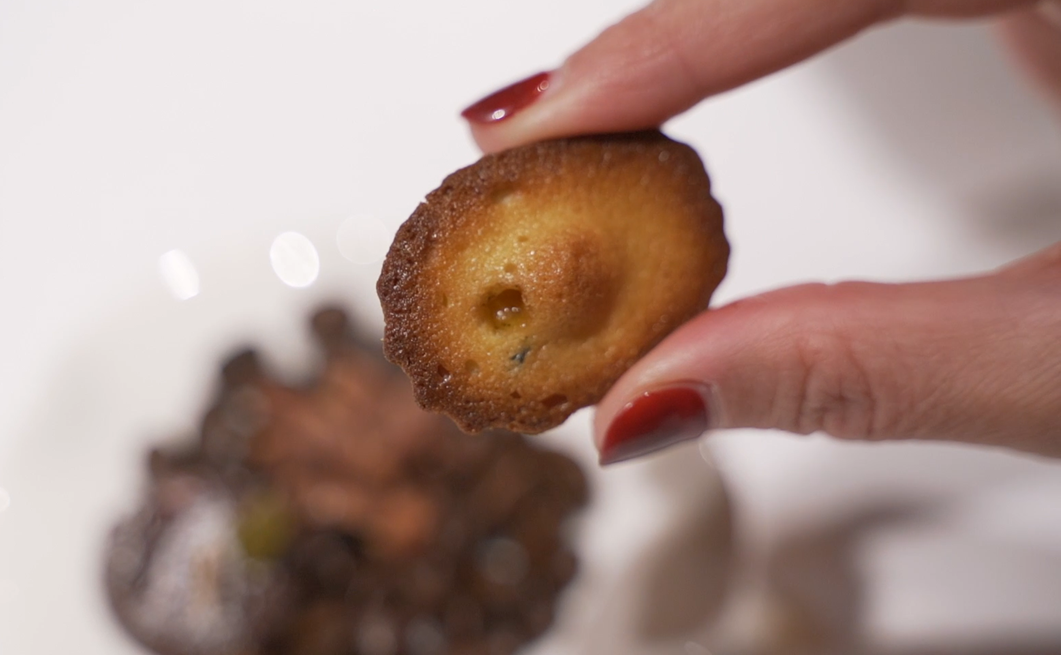
The basil ice cream is surprisingly good. Poking the tangerine meringue, there is the basil ice cream, Japanese sake lees, cherry tomato and passion fruit jelly for a multi-layered texture. Together with coconut sorbet, the dessert is a sweet and sour delight. Lastly of course, you can’t miss out on the favourite dessert of Proust – Madeleine cake.
Apart from the steak, which is not stunning but also good, the whole menu is designed with thoughtful ideas and impressive flavours. Full attention to details can be told from the pairing ingredients. Sichuan-native head chef Leo Luo is young yet talented. A surprisingly good meal. Recently, the F&B industry in Shanghai is facing a tough situation.
Marcel Proust said, “Whatever idea life has left in us, its material shape, mark of the impression it has made on us, is still the necessary pledge of its truth.” Food, then, is certainly one of the most intuitive ways of producing impressions of the world and of life. Literature, life and tasty memories of food are inseparable.
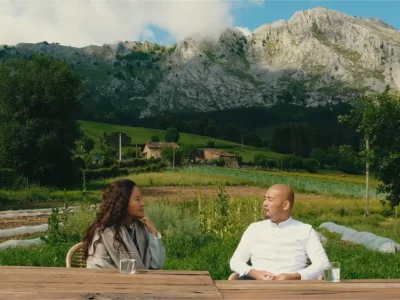
Monica and I talked about the similarities between the cultural industry and running a restaurant. She mentioned that in Chinese sage Laozi's Tao Te Ching, "Ruling a large nation is like cooking a small delicacy". Although we are not talking about the governance of a nation, this quote from Laozi can give us an insight into how many things in life are interconnected. Whether we are running a restaurant or doing something in the cultural industry, we need to treat every detail with the same care and attention to bring the best to customers. The differences between the two are something that needs to be worked out and learned step by step, which is reflected in the many details of running a business, different ways of thinking and personal perspectives.
The “culture + food” model is a great platform to break boundaries and explore new possibilities of integration in these two fields. When a dish is given a cultural connotation, it easily becomes a special "symbol" of the city. Proust is a gastronomic space where food, culture, and art come together to create a distinctive memory and unique experience for its customers.
Marcel Proust is a pioneer of stream-of-consciousness literature. In his writing, the protagonist's consciousness is constantly changing, never remaining still. The pursuit of freedom, beauty and peace of mind can be evoked by a spoonful of tea in which Proust soaked a morsel of the Madeleine.
Proust Restaurant
📍Address:No.120, B1, Hongqiao Libao Square T3, No.316 Suhong Rd, Minhang District, Shanghai
⏰Opening Time : Only delivery service is avaliable for lunch time recently; Dinner: 17:30-21:00
☎️Tel:021-33288078 / 18221867377
Author: Jocelyn 華姐
Photos/ Video: Katherine