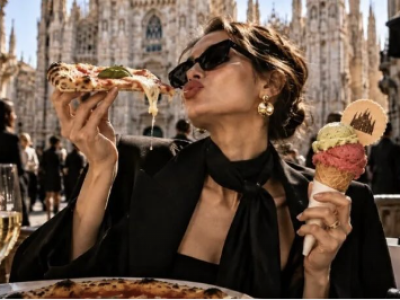
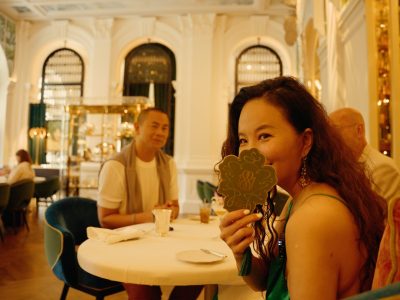
I remembered I used to buy dried magnolia blossoms when I was stunned by the sight of sumptuous magnolia trees along the streets of Milan this summer.
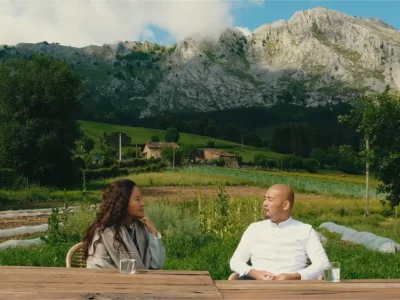
Sitting atop a town hill in Emilia-Romagna, Magnolia, a Michelin two-starred establishment, offers gorgeous views of the gentle slopes extending all the way to the horizon and even the landlocked republic of San Marino in the distance. The region is famous for its balsamico vinegar and parmigiano reggiano cheese.
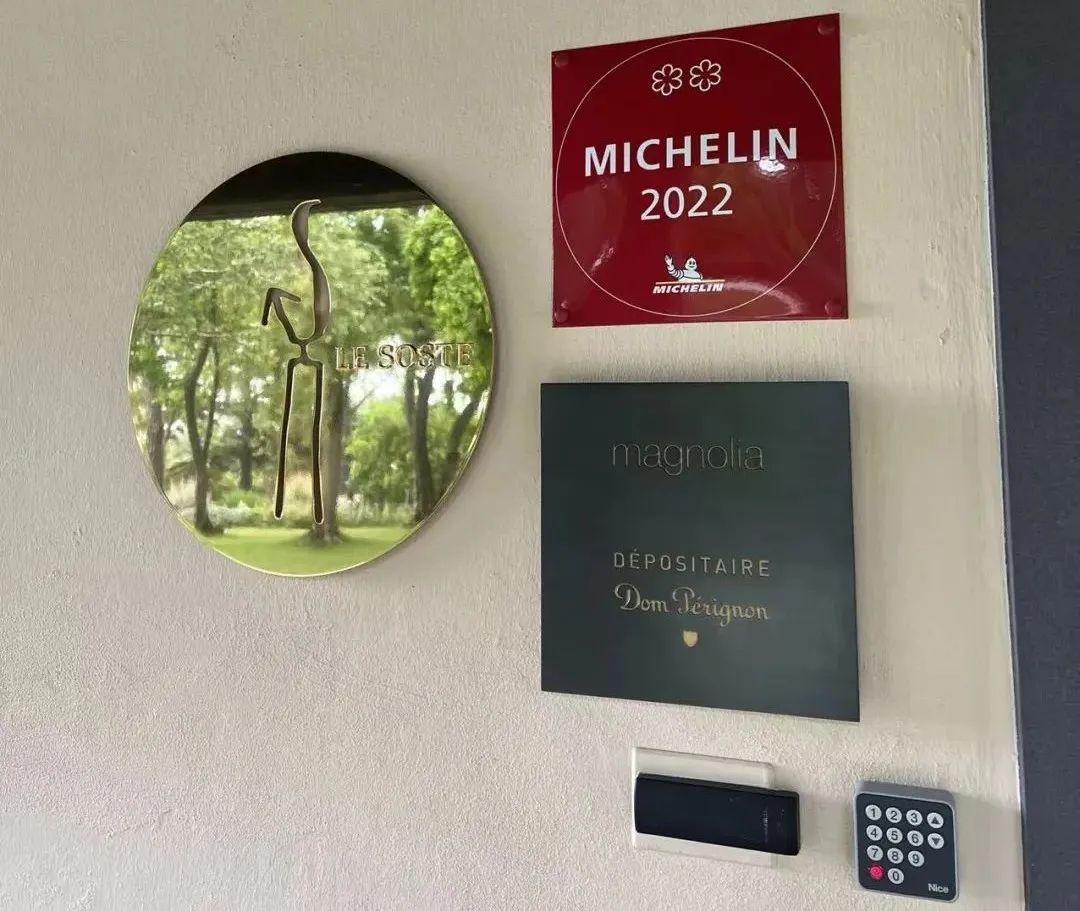
Named after the magnolia flower, the restaurant infuses nature into its philosophy by not only bringing a magical feel to the dining space with floral décor and design, but also showcasing organic ingredients that understated Chef Alberto Faccani has incorporated into his dishes. The colourful, imaginative and light-hearted presentation reminds me of the two-starred French restaurant ESqUISSE in Tokyo. The meal was airy, memorable, and by all means beautiful.
Cesenatico is a port town on the Adriatic coast of Italy and had been the setting for the Magnolia Ristorante since 2003 until it recently moved to Longiano in the Emilia Romagna region, which is about three hours’ drive from Milan. Chef Faccani says he wanted to bring together treasured flavours from the Adriatic Sea, organic vegetables grown in the garden, and local ingredients from the region.
We drove slowly up the hillside road to the restaurant, and it was almost like the majestic heaven scene in the 1998 fantasy film What Dreams May Come – vast fields of garden were interspersed with gravel footpaths that were lined with lavender and colourful flora.
The idyllic landscape of the hillside was instantly enchanting, as if for a moment, time stood still in tranquility and revealed a piece of heaven. The restaurant offers secluded accommodation at Villa Margherita, which has six rooms for the entire estate and an 80 square meter infinity pool overlooking the area for the sole use of residents. My other half visits the restaurant every year, and this was the first visit after it changed location.
Villa Margherita has a different name for each room. We stayed in the Saffron Room, one of the two largest suites, with a square Jacuzzi and a large private sun terrace, from which you can get a sweeping, panoramic view of the entire Romagna region, breathing at your fingertips.
Villa Margherita is perfect for those who prefer privacy and tranquil surroundings without too much commercial buzz. Magnolia's modern and minimalist design is accented by the natural scenery outside floor-to-ceiling windows on three sides of the dining space. Under the helm of Chef Alberto Faccani, Magnolia has maintained a two-star rating for four years, but for its hardware and wine cellar it should be qualified for three stars. The chef's pursuit of balancing flavours is evident in his dishes that exude sophistication and elegance. A high proportion of vegetables is in keeping with his garden vibe, and seafood dishes are amazing as well.
The plating of Magnolia's dishes was also impressive, reminding me of Monet's gardens with all its sun-kissed colours. The starter was originally Oyster Meunière, but I don't eat oysters so they had it replaced with a new one from the next seasonal menu – lobster with tomato, vegetables, crushed peach and almond-flavoured ice cream, organised in a garden-like setting and was instantly eye-catching. The loose-centered lobster was decorated with colourful summer fruits and vegetables to evoke romantic memories of summers and past.
The second course was perfectly cooked langoustine with caviar and seasonal sweet peas, coupled by some tropical notes of lemongrass. A particularly delicate and balanced mouthfeel with ingredients fully revealing their pure, original flavours.
Next was roast squid, sided with asparagus and pistachio ice cream. The ice cream was luxuriously creamy with the perfect balance of sweet and savoury flavour and hints of nuttiness, complemented with the slight bitterness of the roast asparagus. The finely cut roast squid even came like the second starring role in this dish, but it's still outstanding.
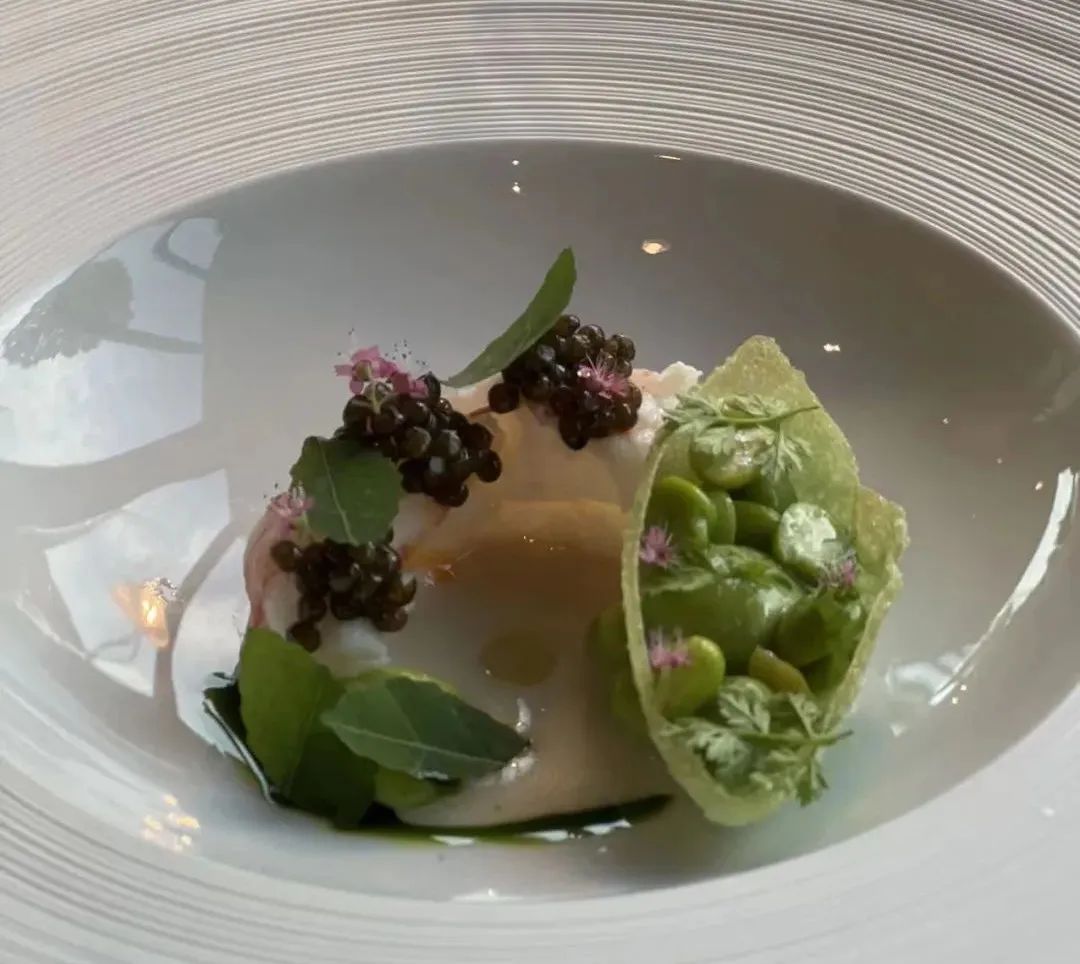 langoustine
The ravioli was filled with ricotta cheese, basil and lemon, and topped off with pink prawn puree and shallot. The menu was not short of prawns of different kinds, but they were handled by various cooking methods so you wouldn’t feel repetitive. Ricotta pasta can sometimes strike intense but here it was paired with lemon zest for tang and fresh prawns for crunch.
One of the restaurant’s signature dishes, Squid Carbonara, was added from Magnolia's classic menu. The ingredients were pretty simple - egg yolk, smoked pork cheek and cheese - but the thinly sliced pasta was unlike any of the pasta that I've had before. Black truffle was freshly shaved to crown the flavourful dish.
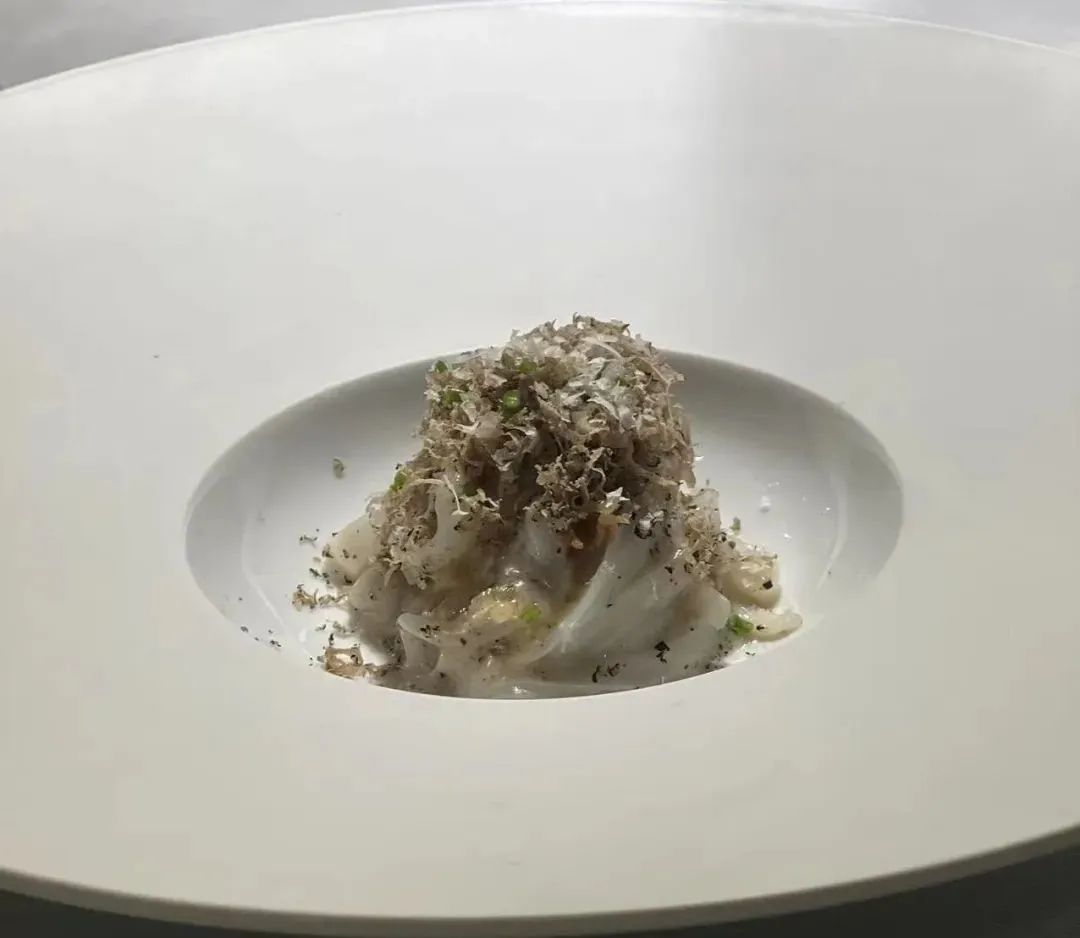 Squid Carbonara
For main course, I ordered sweetbreads, which was cooked to perfection with tender and layered texture. I particularly liked the offal-like richness of the sweetbreads, successfully partnered with with lettuce, mint and tender fava beans.
The three desserts were also beautifully light, clean-edged and unsurprisingly enjoyable.
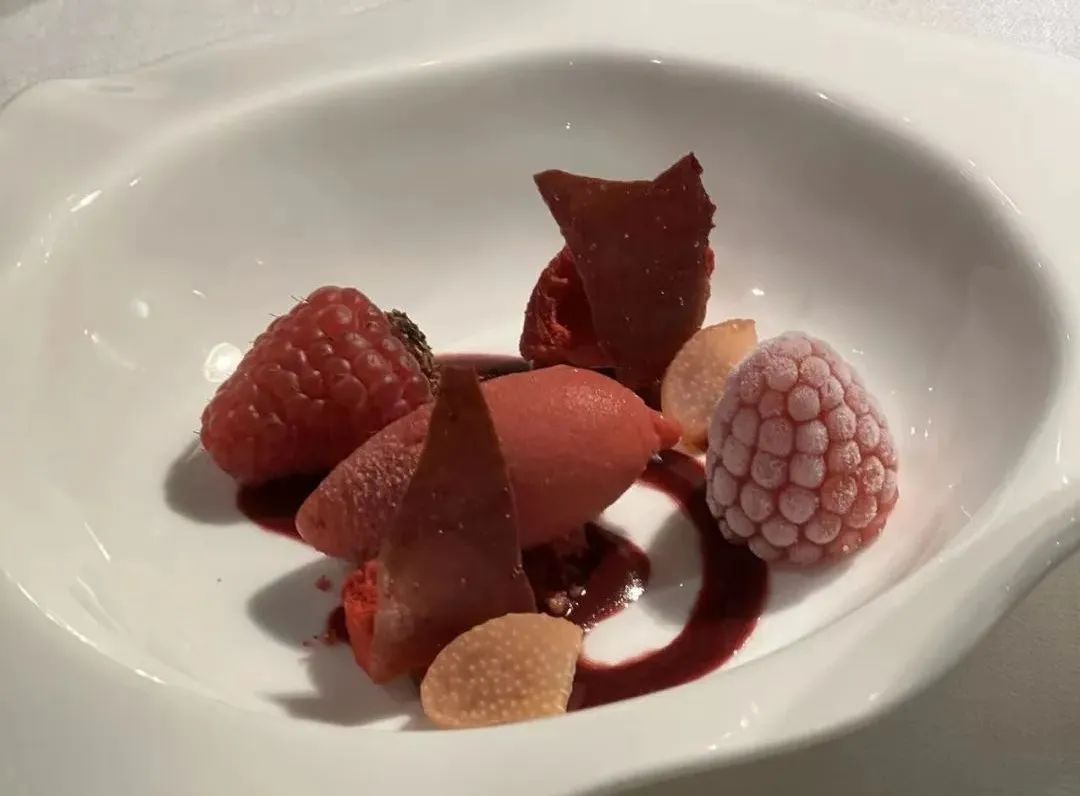 desserts
The long menu that I ordered this time saw each course rhyme with the nature's melody, boasting romantic flavours, thoughtful plating, well maintained temperatures, while encompassing a sufficient number of items on the list. A flawless meal.
From a passion that has accompanied him since he was a child, Chef Alberto Faccani has carved out his own culinary style and decided to open his own restaurant at the age of 27. Magnolia received a Michelin star in less than two years’ time after opening and in 2018 it won the second star. Gaining three stars seems to be every chef's lifelong ambition, and with two stars at hand, the dream has become more reachable than ever.
Perhaps to capture the vibe of a three-starred restaurant would need an enriched one-of-a-kind repertoire of impressive dishes to play out on the menu. If there is one style that typifies Magnolia's, this is it: ultimate beauty on each single plate where food meets art and craftsmenship. I already enjoy the food and the ambience at Magnolia, and why do I have to be obssessed with the idea that a restaurant must want three stars?
Away from the hustle and bustle of the city, Magnolia offers an exclusive experience to relax and enjoy good food in a secluded setting. Imagine it’s 9 in the morning, you are swimming in the sunlit infinity pool as you gradually feel like becoming a part of the surrounding hills, and your two or three neighbours at the villa would be sunbathing in their balcony. At night, you can watch the stars from your privileged position because there is hardly any light pollution, bringing time and space ever more intimate to your own breath.
Even though the restaurant has recently moved, Magnolia's 20-year-old wine cellar houses some of the best vintages from established estates and is definitely worth a visit.
This is a place where you would want to spend at least one night, because after all, al fresco breakfast, limited luxury rooms, peaceful moments... what’s not to love about them?
There are a few three-starred restaurants I do not miss all the time, but Magnolia is a restaurant I’d always love to visit again. The picturesque cuisine, the intimacy with nature, the private mood and ambience, are the things that will push me to go back.
Author: Jocelyn華姐
Photos/ Vidoeo: Jocelyn 華姐