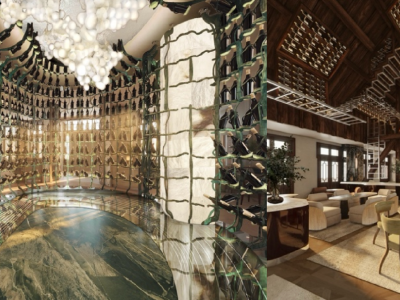
I hadn’t expected that my first visit to Pairedd in Chengdu would come only at the end of last year. The restaurant’s popularity has since become something of a phenomenon.
The name Pairedd comes from Paired (D)—with a particular emphasis on pairing. Dining here means surrendering to a fully pre-designed pairing experience. This approach is still uncommon in China, Ultraviolet (now closed) being one of the few exceptions, yet it is actually extremely beneficial for a restaurant in terms of controlling workflow and pacing. Internationally, of course, this is nothing new.
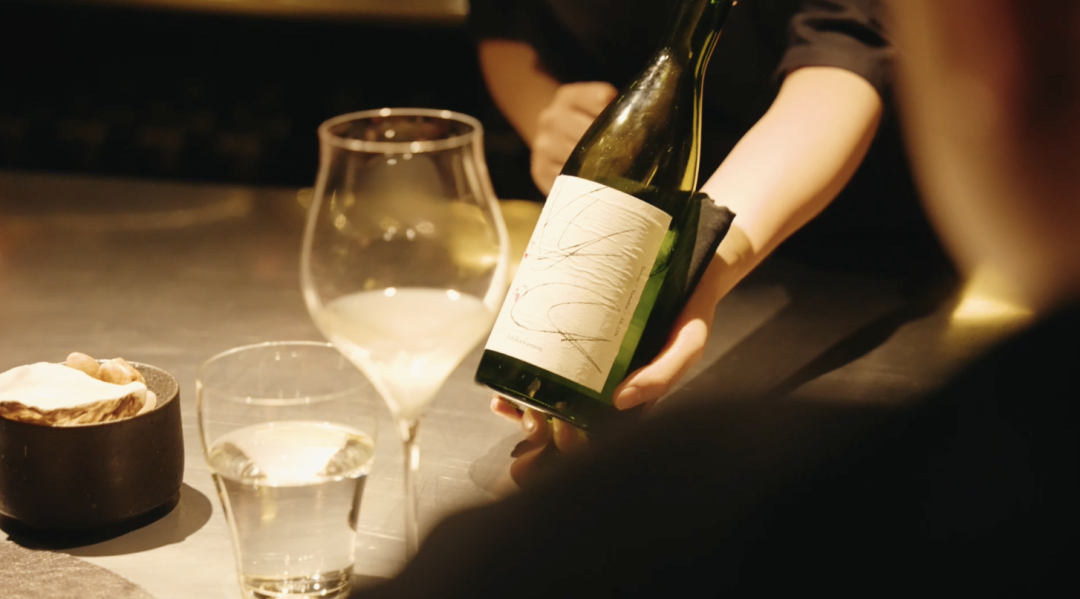
The name Pairedd comes from Paired (D)—with a particular emphasis on pairing. Dining here means surrendering to a fully pre-designed pairing experience. This approach is still uncommon in China, Ultraviolet (now closed) being one of the few exceptions, yet it is actually extremely beneficial for a restaurant in terms of controlling workflow and pacing. Internationally, of course, this is nothing new.
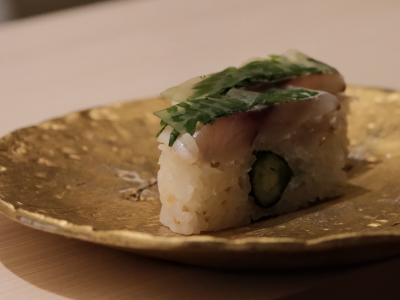
This was Pairedd’s 18th menu, titled “Chily Mist” (寒烟). Chef Toto’s cooking style is light and restrained. Among the dishes that day, one that truly surprised me—and became a personal favorite—was “Sour Corn Pancake, Black Pork, and Chinese Yellow Berry.” The dish is inspired by the sour corn pancakes of Tai’an, Shandong. The pancake is as thin as a cracker, incredibly crisp yet not greasy at all. It is filled with a French-style pâté made from black pork, topped with shimeji mushrooms, and finished with Chinese Yellow Berry from Guangxi. The pâté is smooth, savory, and rich with fatty aromas; the Chinese Yellow Berry delivers a clear, direct acidity; the mushrooms add texture and a touch of wildness; and the near-transparent pancake “holds” everything together, so delicate that it must be eaten immediately.
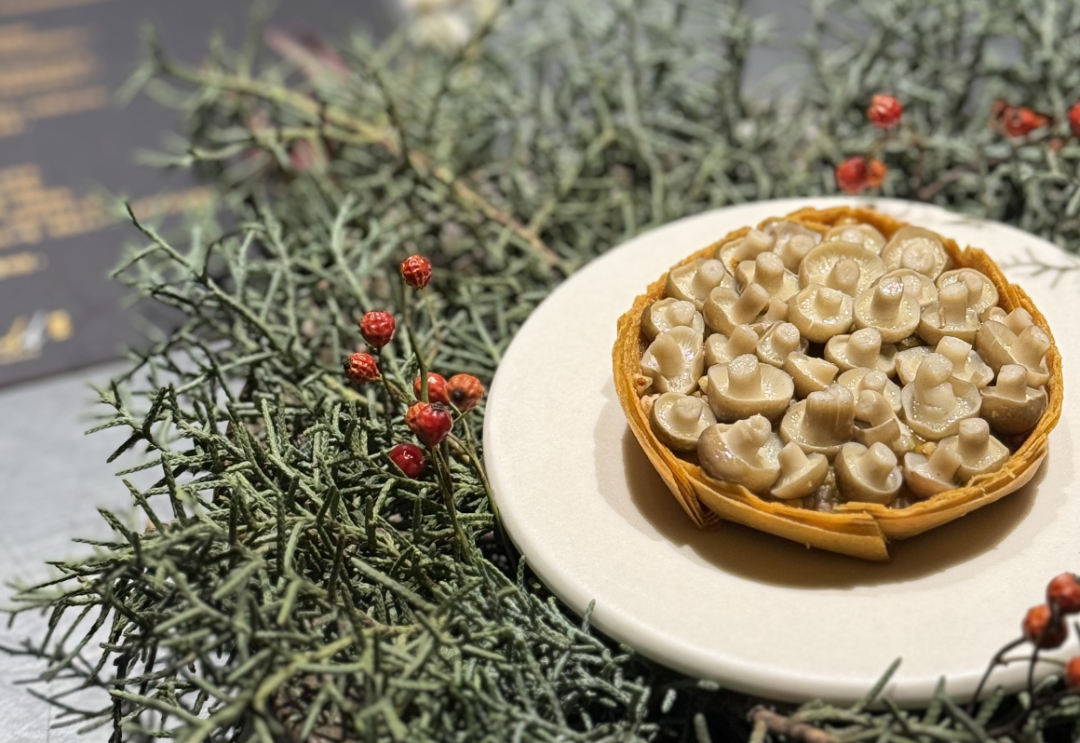 Black Pork / Sour Corn Pancake / Chinese Yellow Berry
Another highlight wasclams with apple luffa and black trumpet mushrooms. Yellow clams from Bohai Bay were cooked in white wine and handled with great precision, preserving their pure brininess. Apple luffa from Yunnan brought remarkable sweetness, while black trumpet mushrooms added a deep, grounding earthiness. The finish was gently sweet, the pairing as comforting as a spring breeze.
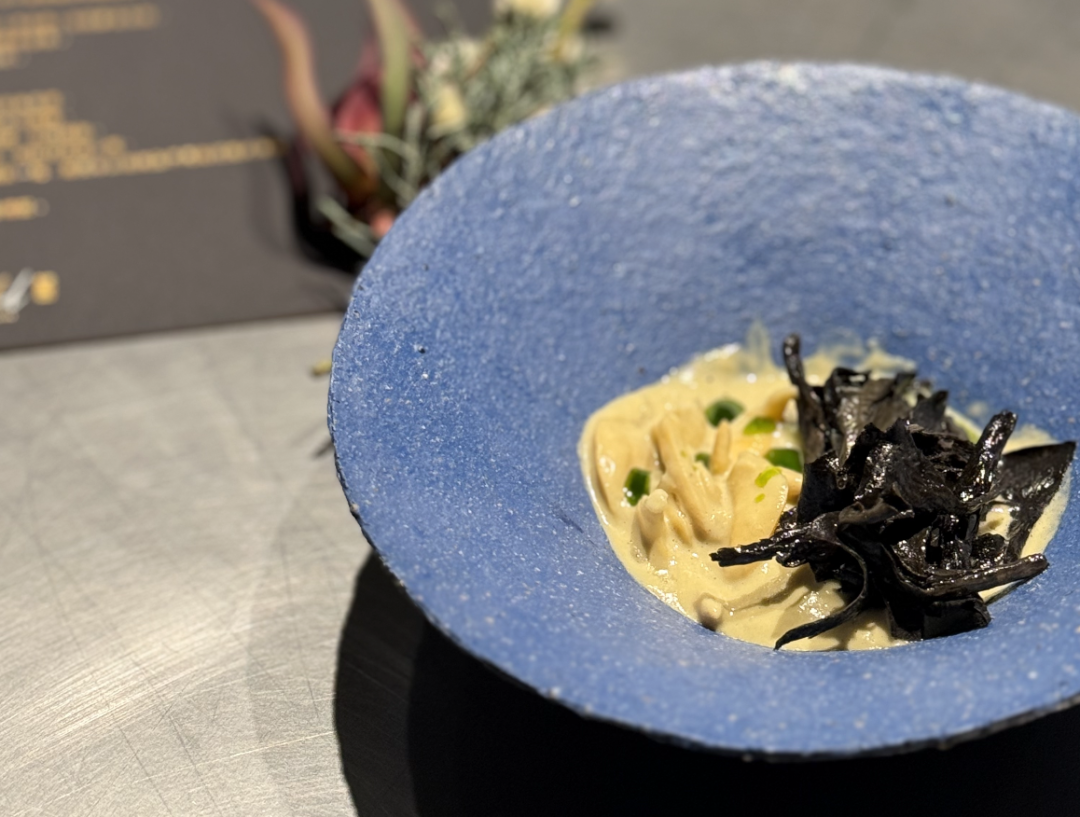 Clams / Apple Luffa / Black Trumpet Mushroom
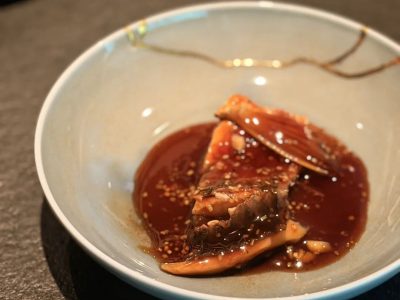
While the Fuling duck baked inside bread was visually striking, the dish that impressed me most was prepared right in front of me:yellow croaker with pickled mustard greens, pork tripe, and taro. The croaker, together with Vietnamese coriander and green Sichuan peppercorns, was placed into a super-heated pebble pot and quickly steamed with hot water. It was served with pickled mustard greens, pork tripe so tender it nearly melted in the mouth, and taro from Qianshan, Jiangxi. Pickled-mustard fish is familiar to many, and pork tripe with pickles is equally wonderful—but when combined on the same plate, the result is often unexpectedly good. The pairing of pork tripe and yellow croaker stood out as one of the most memorable elements of the meal.
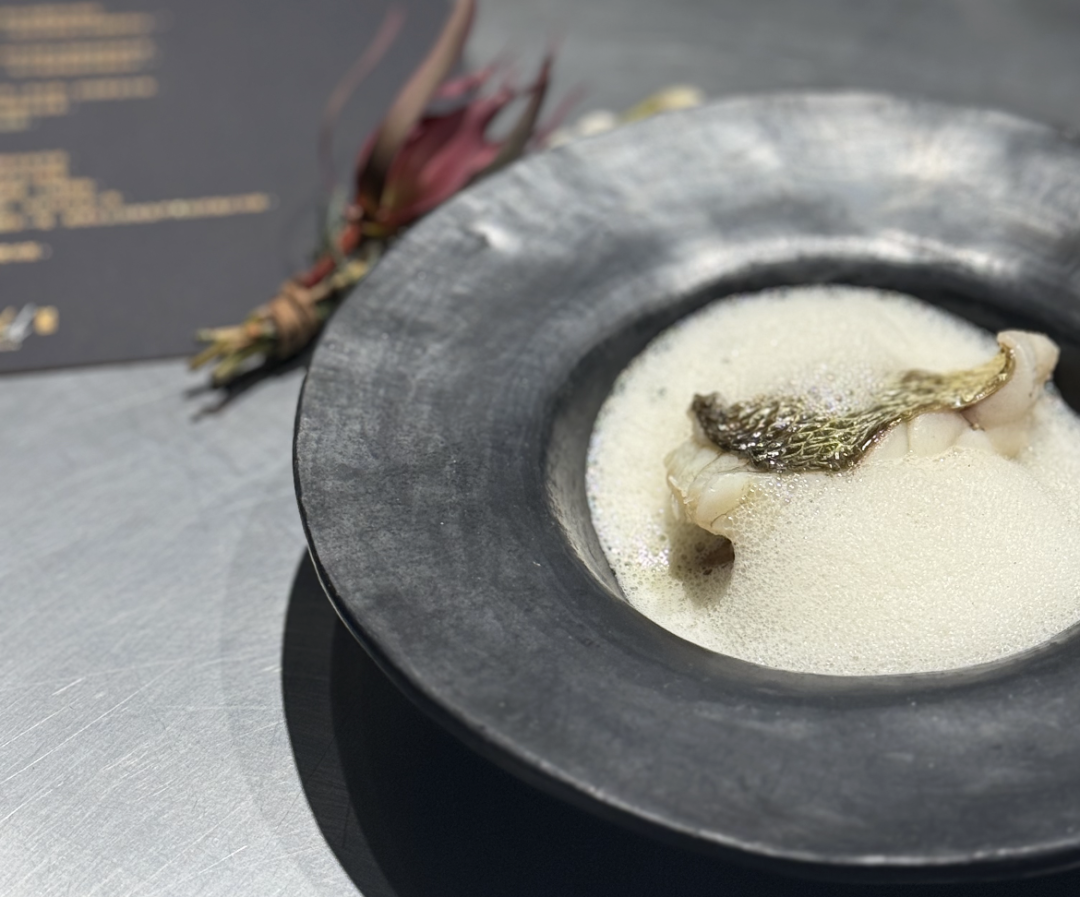 Ningde Yellow Croaker / Qianshan Taro / Pickled Mustard Greens
When we talked about the dish Toto was most satisfied with this season, he mentioned duck with brioche. Fully proofed dough is stuffed into the cavity of the duck, and the two are roasted together in the oven. The original idea was disarmingly simple: he just wanted a duck cooked to perfect doneness. Roasting duck breast on its own makes precise heat control difficult; whether using foil or stuffing, the results were never quite right. One day, he suddenly thought of using dough as a way to “buffer” the heat.
The result was a revelation. Duck fat and honey undergo a Maillard reaction on the surface of the bread, releasing an exceptionally alluring aroma. Through continuous adjustments to both the spice mix and the dough formula, the dish gradually evolved into its current version. The brioche enriched with duck fat and honey is the finishing touch. That said, the Fuling duck used has a relatively high proportion of sinew, so slicing it thin feels a bit wasteful—perhaps another breed of duck would be more suitable.
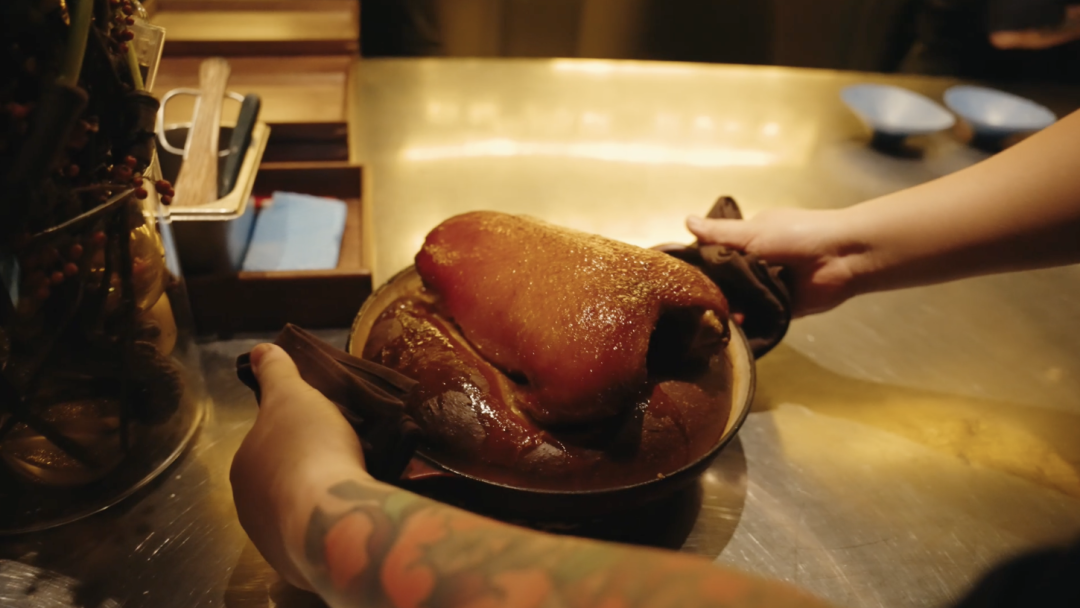
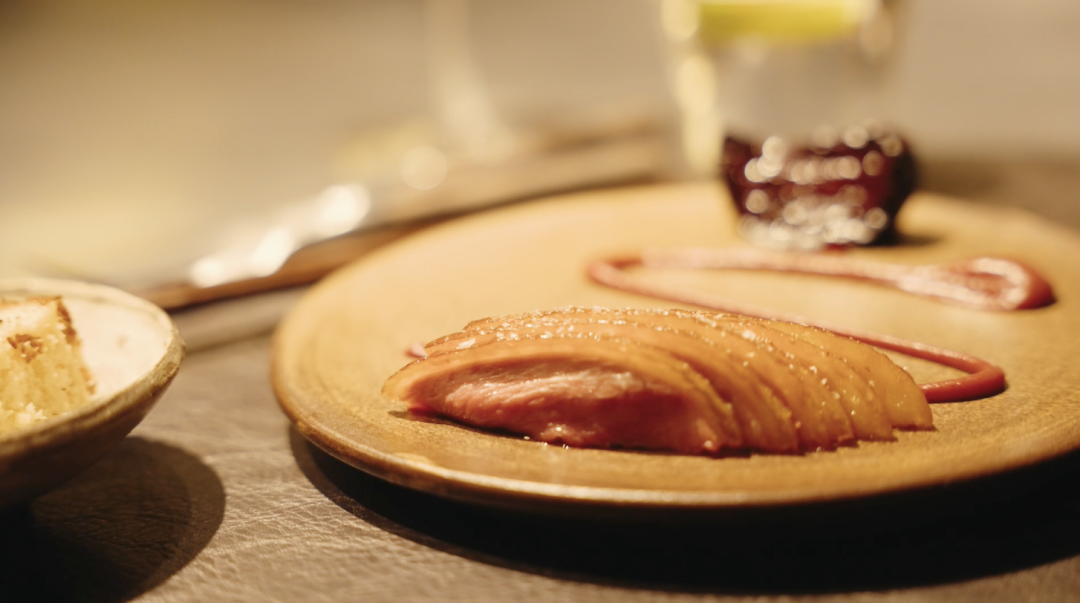 Fuling Duck / Beetroot / Raspberry
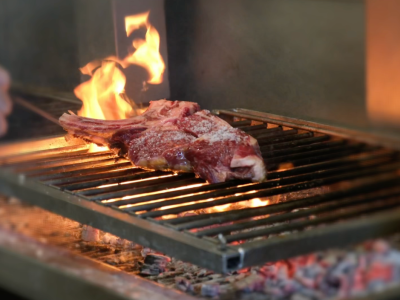
Next came Australian M7 wagyu flat iron with wild chives and smoked pumpkin. The wagyu, as expected, was excellent, but it was the wild chives that unexpectedly won me over. Their natural sweetness, combined with smoked pumpkin and a seasoning of yellow lantern chili, sesame, and peanut sauce, created a bold, aromatic profile with a lingering heat at the finish. The sauce was the final, decisive touch.
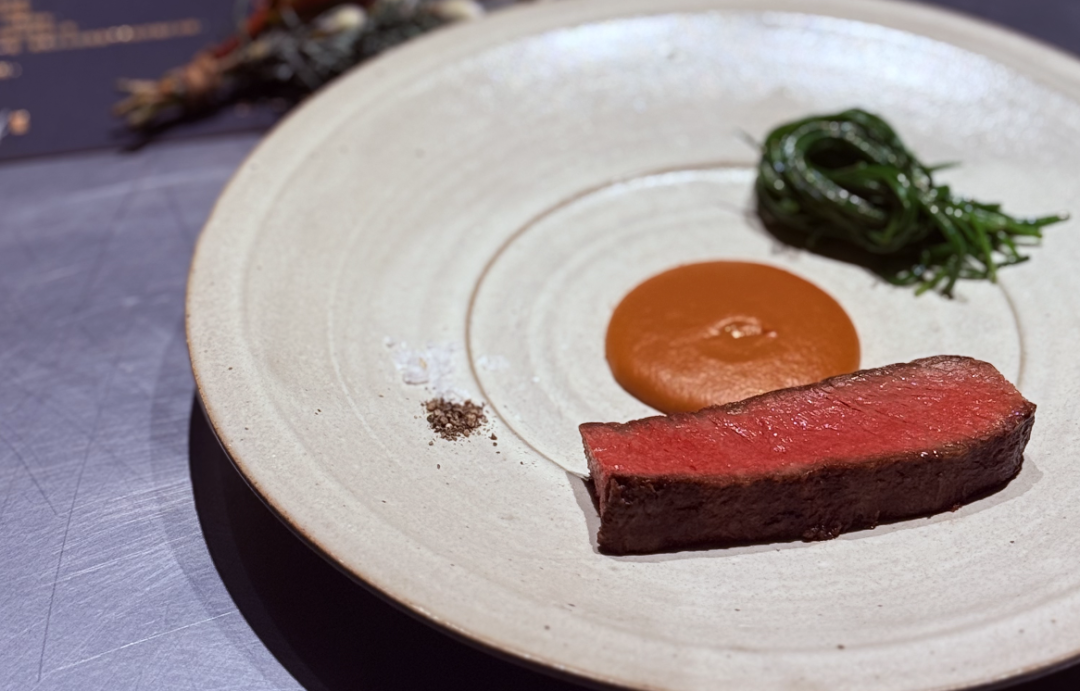 Australian M7 Wagyu Flat Iron / Wild Chives / Smoked Pumpkin
Dessert closed the meal with marshmallow filled with cherry, aged tangerine peel, and dark-chocolate . Roasted at the table, the dessert was paired with a glass of whisky—an especially “Pairedd” way to end the meal.
Chef Toto spent six years working and studying abroad, with the longest stretch in France, where he worked at Pierre Orsi, a traditional one-Michelin-star restaurant in Lyon. At the time, the head chef was already in his seventies and had been Paul Bocuse’s very first employee. He got up at five every morning, went for a run, and then personally prepared all the foundational stocks and sauces, trusting no one else with the task. That period allowed Toto to truly understand that “tradition” is not about conservatism, but about respect.
Toto later interned at Noma. “Nordic cuisine taught me restraint—how to express flavor with fewer elements,” he said. These two seemingly opposing systems now come together to form the culinary logic behind Paide’s cooking.
Pairedd represents an entirely new model. Stepping inside feels like entering a friend’s kitchen: the chef and sommelier personally introduce each dish and wine, with pacing handled beautifully. In an era where over-explanation has become a problem, this sense of restraint is rare.
The counter-side service, combined with generous wine pairings and sincere food - Perhaps this is one of the reasons why Pairedd’s three locations—from Chengdu and Shenzhen to Hangzhou—are fully booked every day: relaxed, convivial nights of food and wine, without any sense of pressure.
A place you might originally visit just for drinks, yet one that delivers food far beyond expectations—it may not be fine dining in the traditional white-tablecloth sense, but dining here leaves you smiling to yourself.
Author: Jocelyn 華姐
Photos: Jocelyn 華姐、Daniel Zhu