In 1972, Italian jewelry brand Bulgari created a set of brooches featuring Mount Fuji and pine trees, seemingly destined for a connection with Japan. This April, amidst the blooming cherry blossoms, the Bulgari Hotel is officially opened. It stands tall in a modern skyscraper behind the historic Tokyo Station, overlooking the cityscape and distant Mount Fuji. The hotel not only brings Italian craftsmanship but also cleverly combines Japanese aesthetic elements, radiating a subtle and restrained brilliance. Together with the cuisine by three-Michelin-starred Italian chef Niko Romito, one can immerse himself in a dazzling moment, enjoying the best of Tokyo without leaving the hotel.
The opening of Bulgari Hotel is a major highlight in Tokyo after the pandemic. Not only is it the first Bulgari hotel in Japan but also the 8th ‘gem’ of the Bulgari Hotel & Resorts Collection. Occupying from the 40th to the 45th floor of the Tokyo Midtown Yaesu, an ultra-skyscraper in the Yaesu 2-Chome North District, the hotel overlooks the quiet premises, fascinating history and natural environment of the lmperial Palace Gardens. From a distance, the red brick Tokyo Station and the glass-curtain building behind it may seem juxtaposed, but Bulgari Hotel seamlessly blends the fusion of Japanese traditional cultural aesthetics. It is at this moment that I visited Tokyo once again.
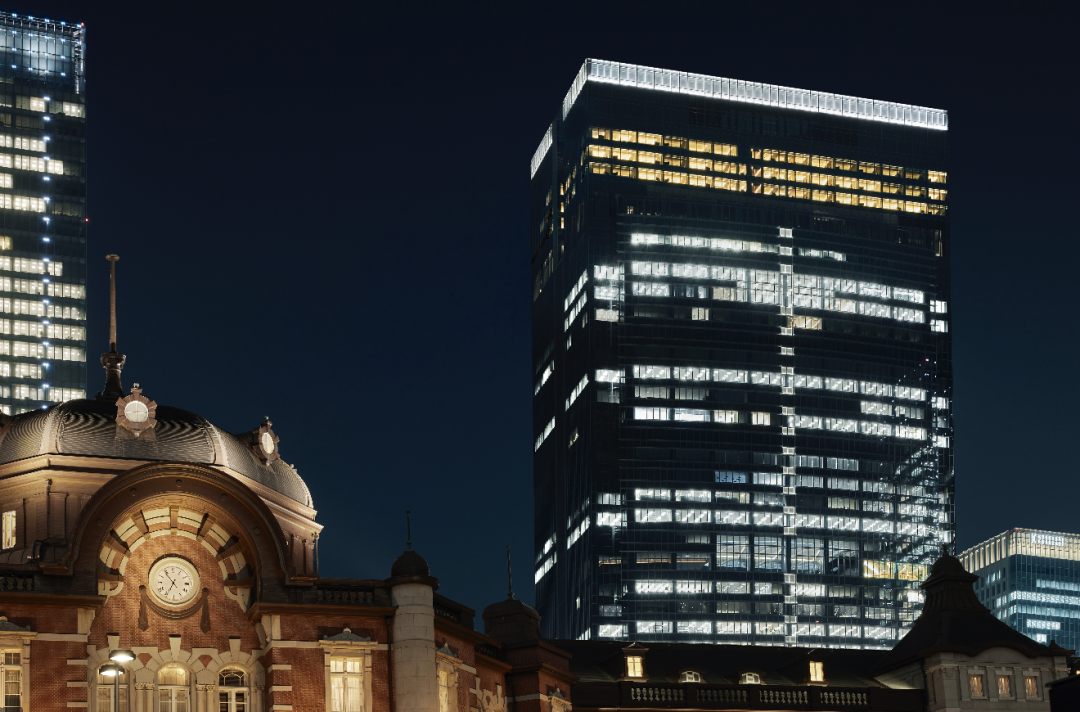
Like all the Bulgari Hotels & Resorts, Bulgari Hotel Tokyo interior design has been entrusted to the Italian architecture and interior design practice ACPV ARCHITECTS Antonio Citterio Patricia Viel who conveyed Bulgari's core values of contemporary design, magnificent craftsmanship and artistic detail to create efficient living spaces reflecting the essence of the Italian most sophisticated style.
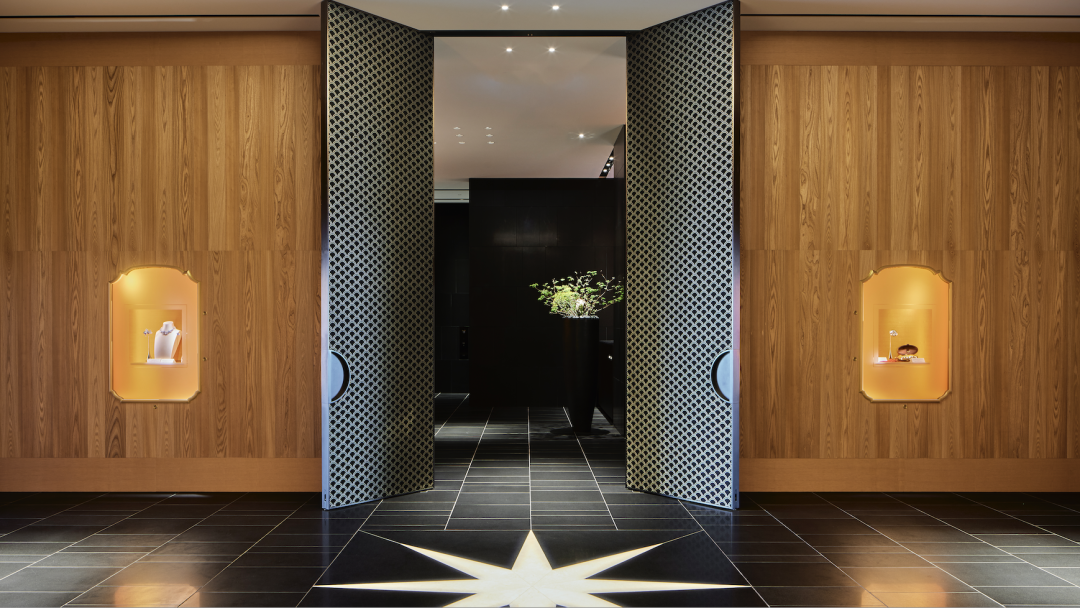
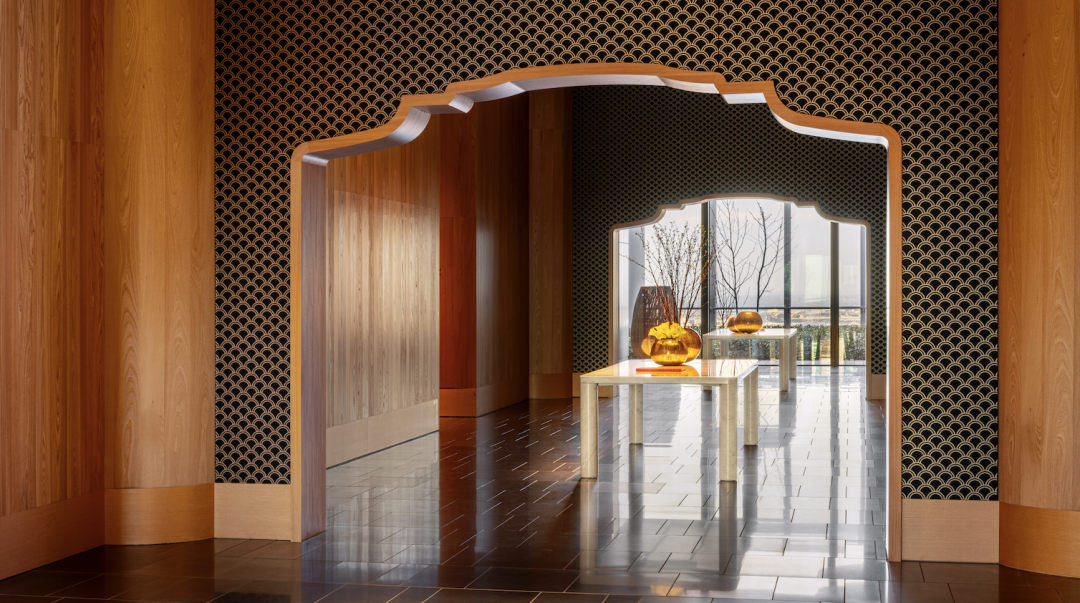
Bathed in luxurious earth tones of black, brown, orange, and gold, the hotel combines the sleek and minimalist Italian design style with traditional Japanese art elements. For example, the double doors in the lobby corridor feature the traditional Japanese three-layer continuous ripple pattern, which also appears on many main walls throughout the hotel. The central part of the floor upon entering is adorned with Bulgari's eight-pointed star emblem. The brooches depicting Mount Fuji, designed by Bulgari in the 1970s, have also become a symbol of the hotel, visible on the room key envelopes and bar menu covers, showcasing Bulgari's interpretation of Mount Fuji through jewelry.
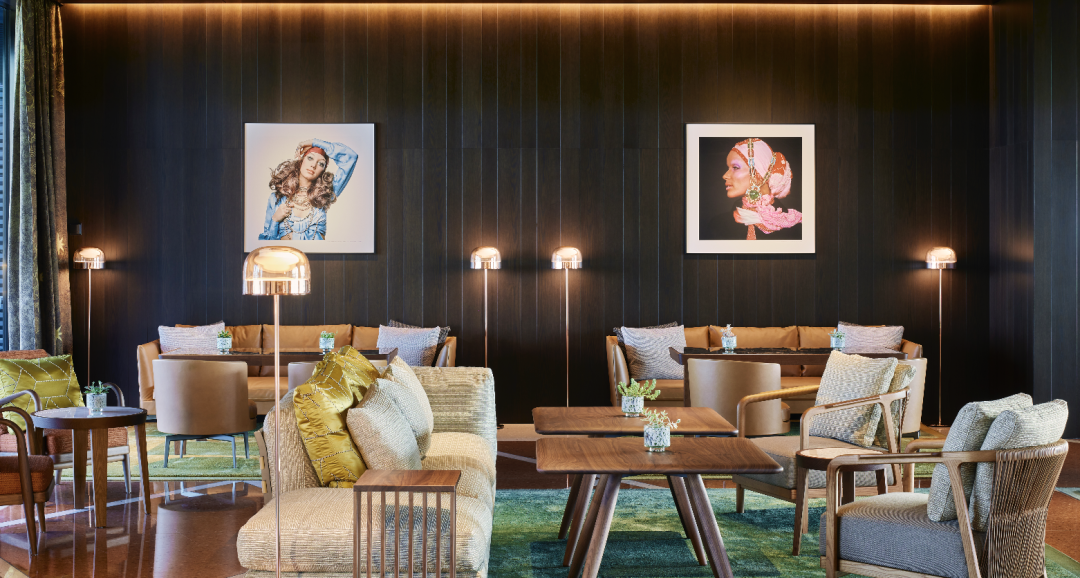
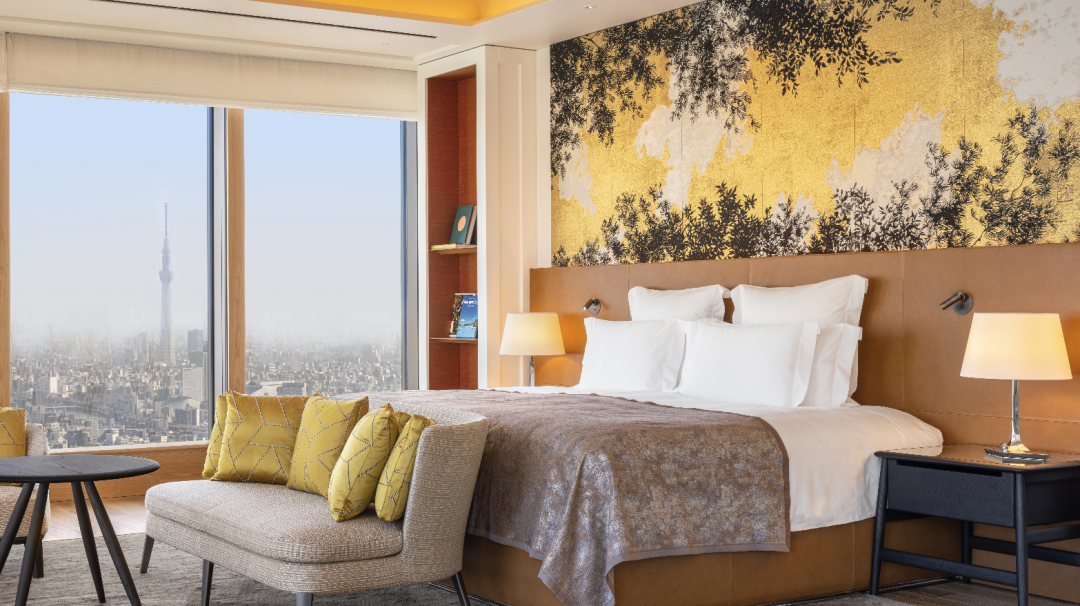
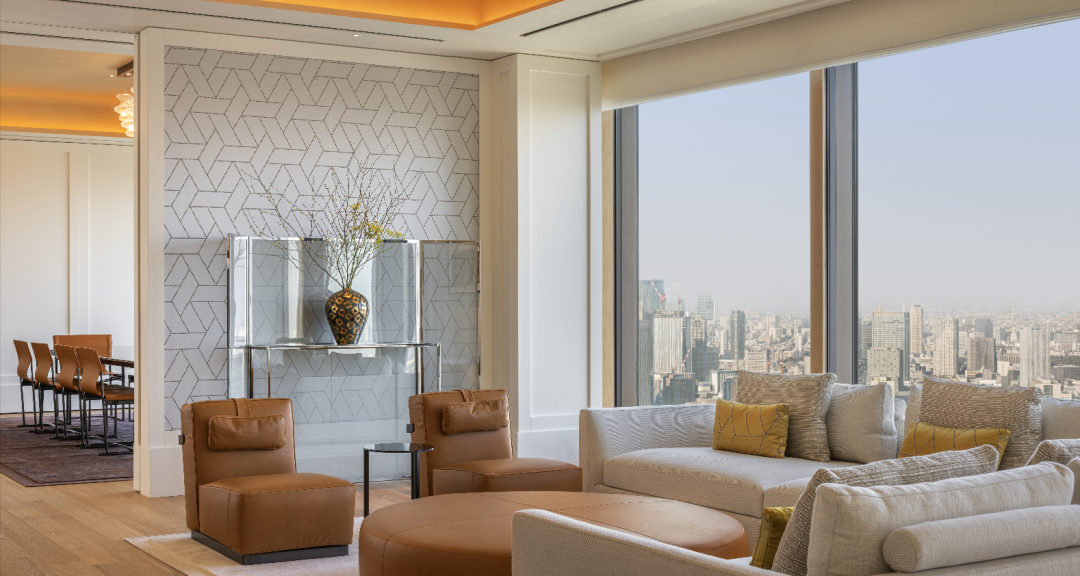
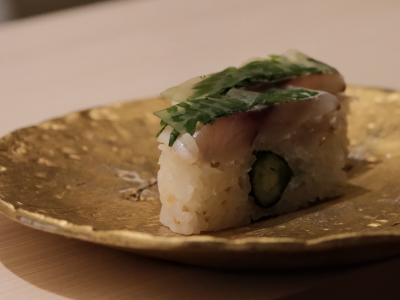
Bulgari Hotel boasts 98 rooms, with the 400-square-meter suites claimed to be the most spacious in Tokyo city center. In addition to the renowned sushi restaurant and the Italian restaurant that has shone brightly in Bulgari hotels worldwide, Il Ristorante - Niko Romito.
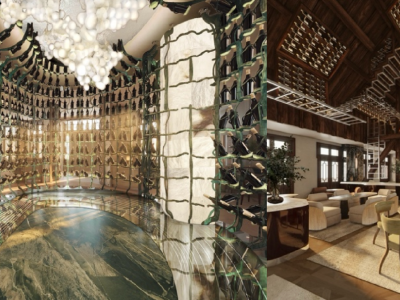
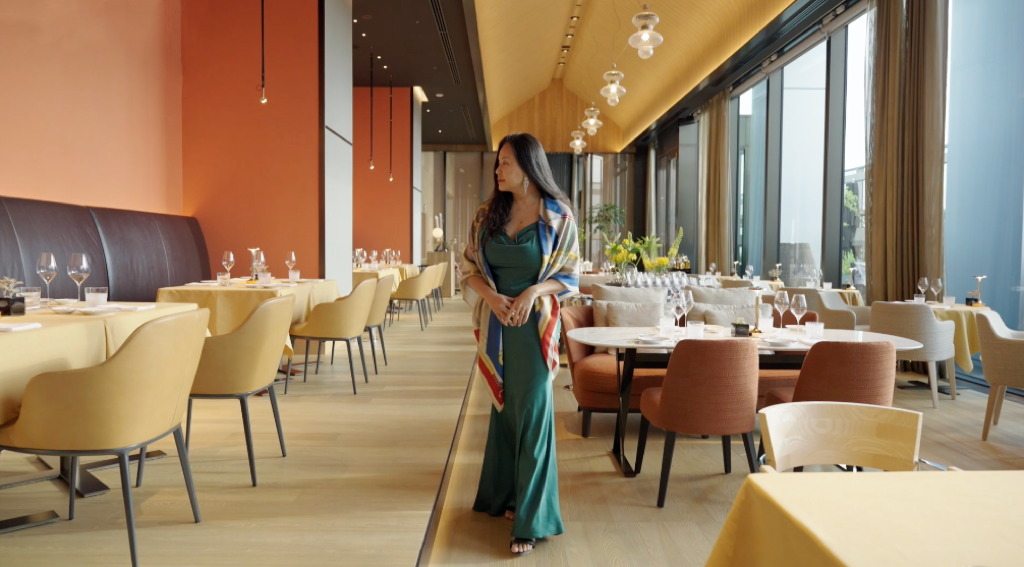
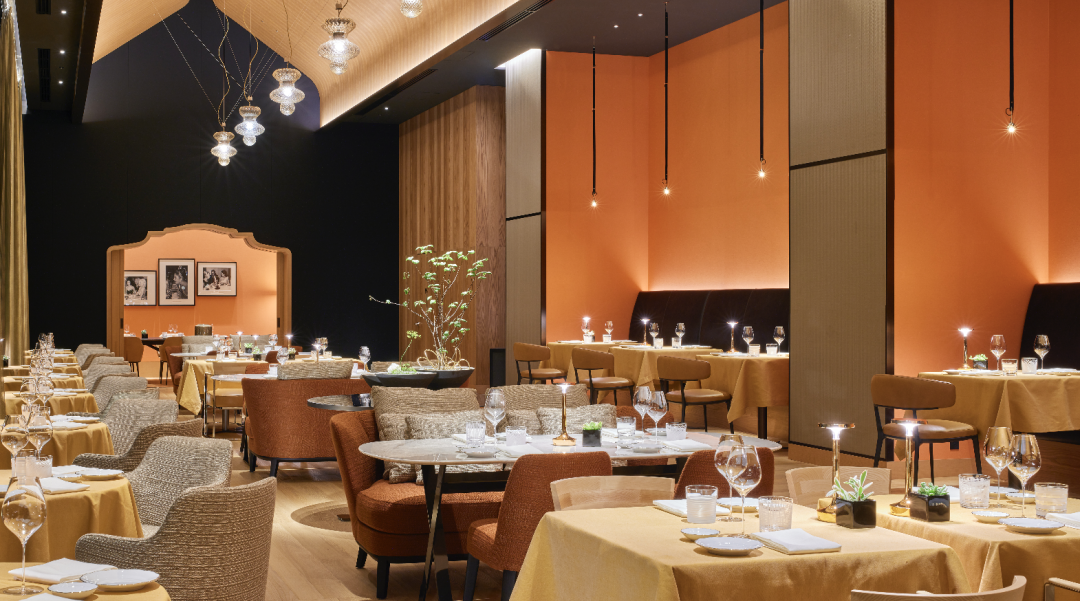
Located on the 40th floor, Il Ristorante - Niko Romito offers a narrow and elongated space that allows every table to enjoy the panoramic views of Tokyo. The restaurant's color scheme continues the hotel's style, blending Japanese and Italian aesthetics to perfection. Saffron-colored walls harmonize with shades of brown, orange, and champagne gold furnishings, showcasing wooden arched ceilings inspired by traditional Japanese temple doors. Murano glass lamps, hand-blown from the island of Murano, hang from the ceiling, while golden lattice pillars exude the artistic charm of Japan. It is an overall understated and restrained atmosphere, accompanied by an indescribable sense of luxury.
Niko Romito's Italian cuisine is simple yet classic. He focuses on the "minimalism" of the Italian culinary. As for resident chef Mauro Aloisio, he is no stranger to us. He was originally the executive chef at Niko Romito in Shanghai. After five years in St. Moritz, Switzerland, he crossed the Alps back to Milan, leaving his culinary imprint at Bulgari, Armani/Nobu, and Park Hyatt's Michelin-starred VUN restaurant for a remarkable eight years. Not to mention his tenure at the Four Seasons Hotel in Geneva. Before coming to Shanghai to shine, he visited Niko Romito's Abruzzo Accademia to delve in the philosophy and vision behind modern Italian cuisine.
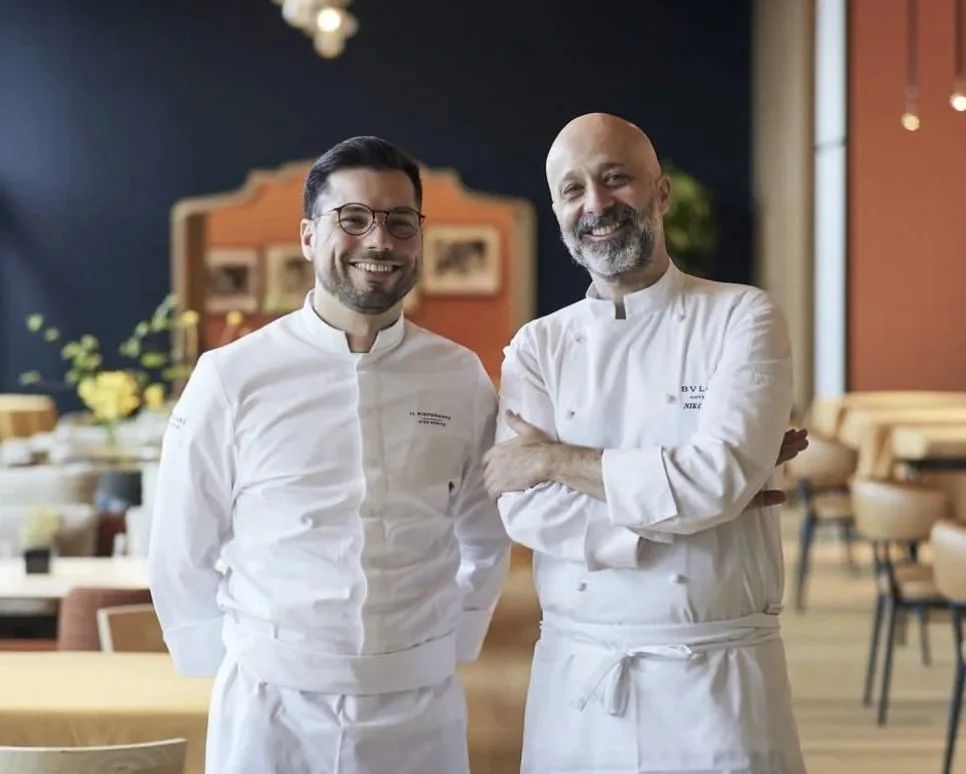
(Left) Mauro Aloisio (Right) Niko RomitoInstagram@mauro_aloisio
With a charm completely different from Niko Romito's three-Michelin-starred restaurant Reale, each Il Ristorante - Niko Romito opens a new gateway to the world of Italian cuisine, showcasing the unique flavors of different regions. Every dish, though seemingly simple, combines the most exquisite culinary techniques, presenting an aesthetic of minimalism.
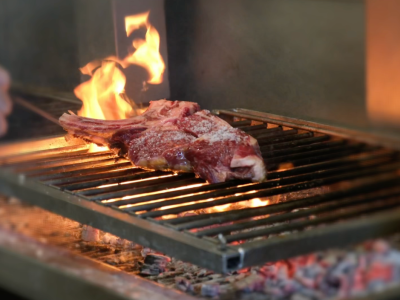
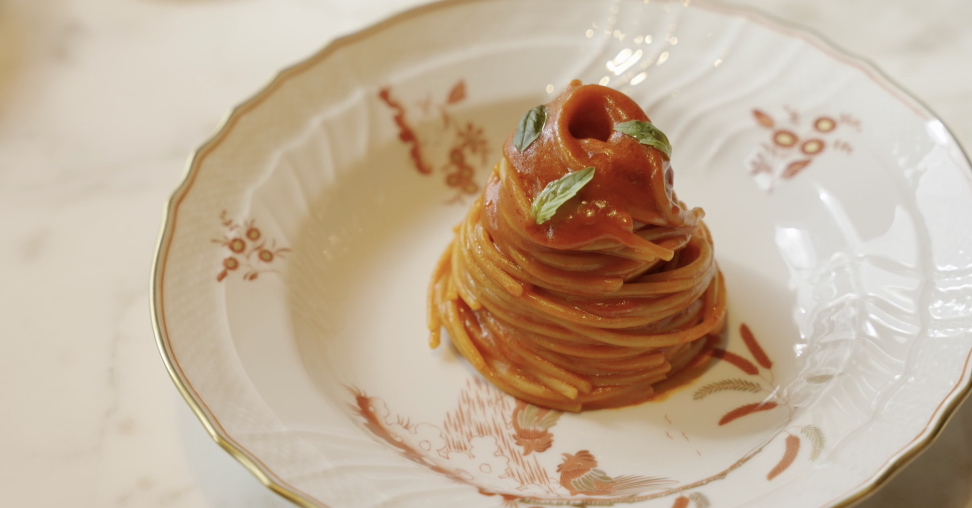
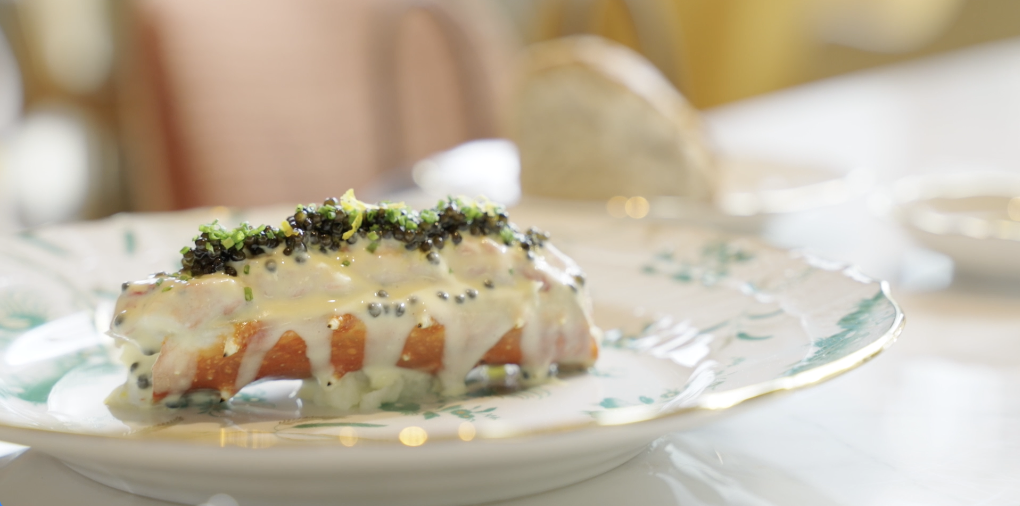
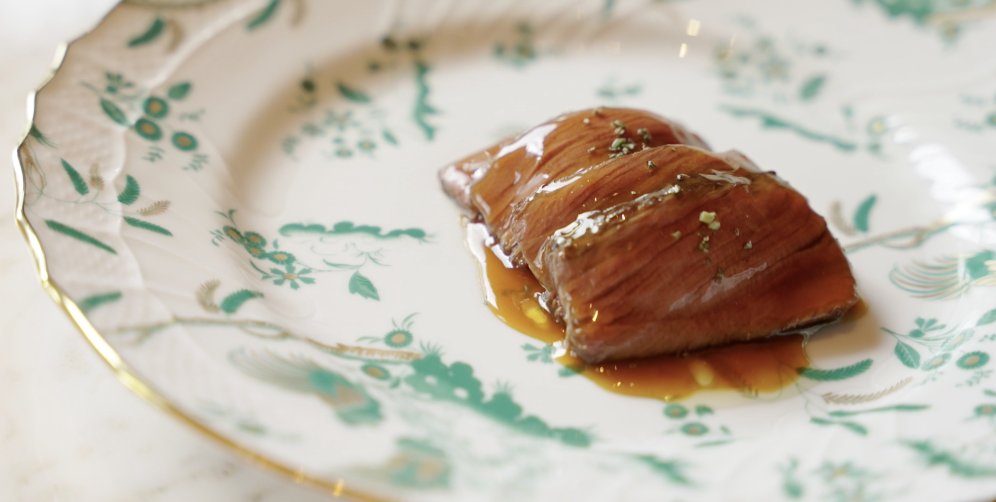
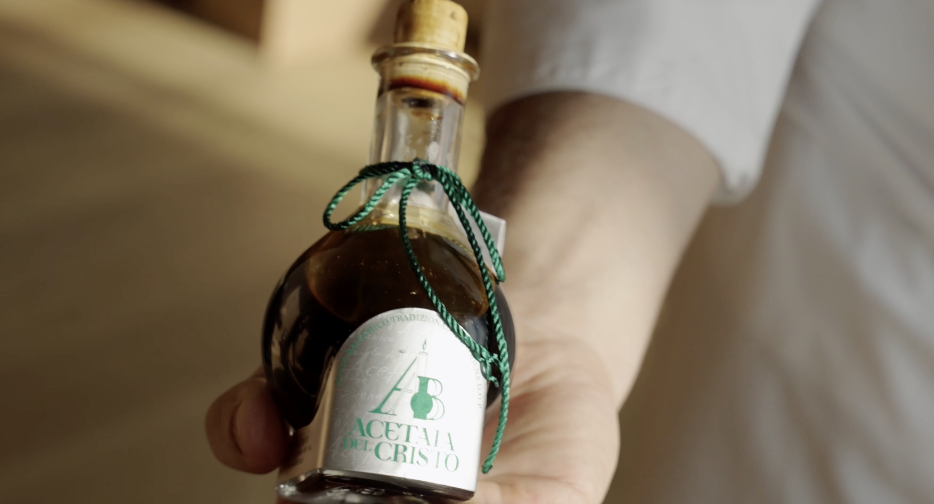
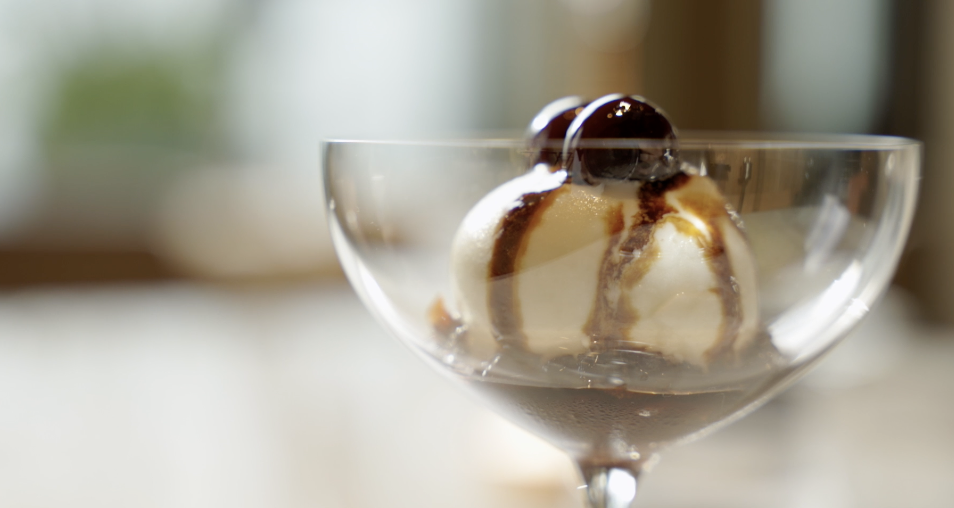
In Milan, Niko Romito's Cotoletta alla Milanese filled me with delight. But what truly captivated me was a plate of classic Spaghetti e Pomodoro. Tomatoes are dried in the oven, made into a rich and concentrated tomato sauce that perfectly melds with the pasta, and each bite leaves me with a deep, lingering sweet and sour sensation. The King Crab with Krystal Caviar and Potato, along with Sliced Wagyu Beef Filet with Rosemary, also were satisfying. And for dessert, the Ricotta Cheese lce Cream and Amarena Cherries, drizzled with "tradizionale" balsamic vinegar certified by the Modena, took me on a subtle yet luxurious gustatory journey.
Furthermore, every bowl and cup in the restaurant comes from Ginori 1735, a Florentine porcelain brand with a history of three hundred years. These pieces complement Niko Romito's minimalist cuisine like Italian paintings unfolding before your eyes.
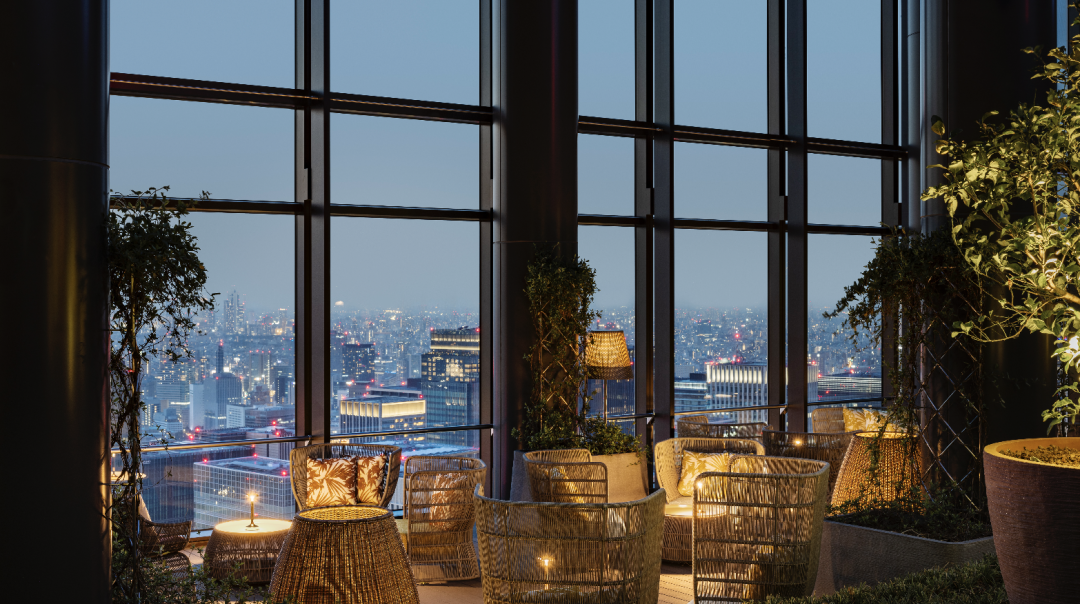
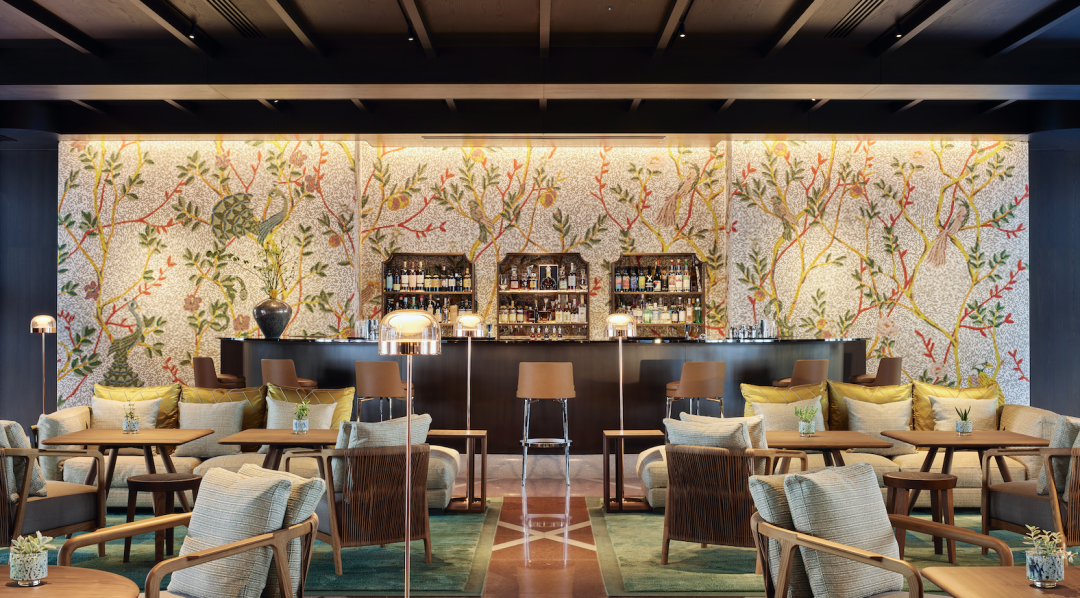
Theiconic Bulgari Bar located on the 45th floor is also worth mentioning. The main wall behind the bar counter features custom-made glass mosaics by the Italian brand Bisazza, depicting an Italian garden scene. The bar's flooring uses terrazzo, a type of ancient Venetian palace flooring, extending the ambiance of an Italian garden indoors and outdoors with enduring and classic Italian craftsmanship. The bar also has two half-covered outdoor terraces, offering expansive views of the Tokyo skyline, and on clear days, Mount Fuji can be seen.
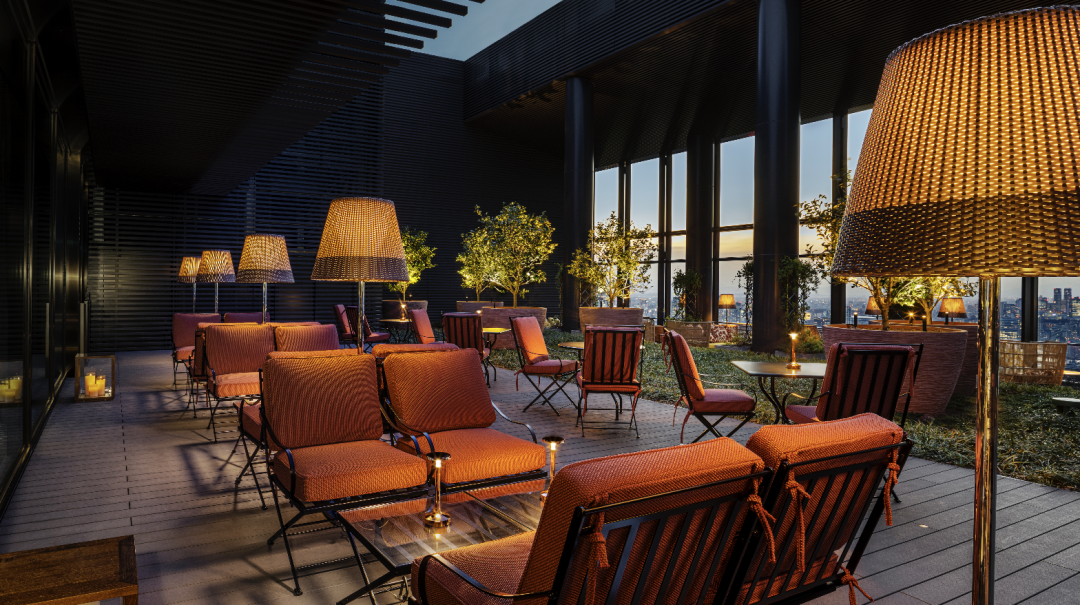
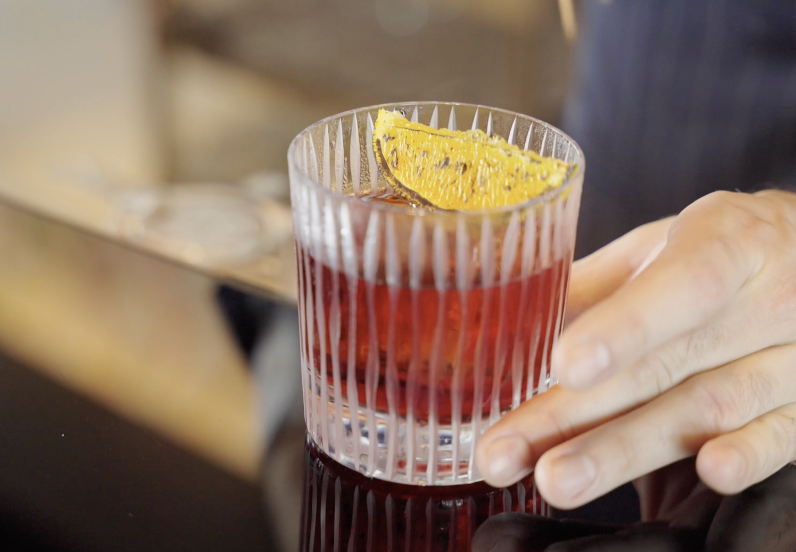
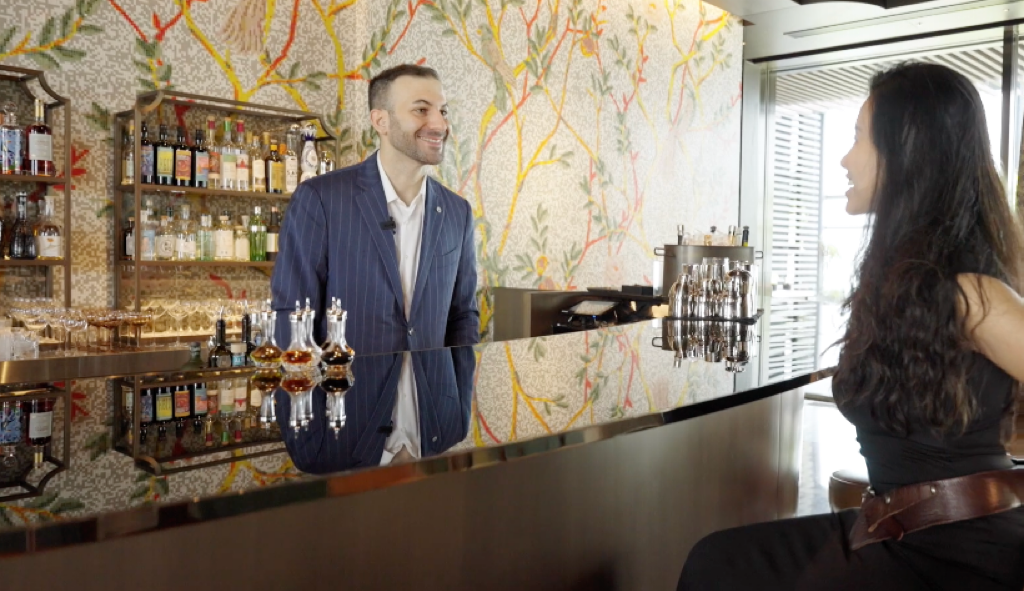
At Bulgari Hotel, there is no need to rush to crowded observation decks like the Skytree. On the terrace outside the bar, you can enjoy equally breathtaking views while sipping a classic Negroni by the bar manager, Andrea Minarelli. Comfortably and elegantly, you can relish the best of Tokyo in Bulgari's understated yet radiant environment.
Author: Jocelyn 華姐
Photo: Bulgari Hotel Tokyo、Instagram@mauro_aloisio、Katherine Gu