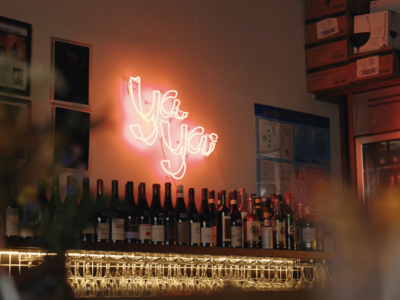
From Taitung on Taiwan’s rugged east coast overlooking the Pacific Ocean, to Yuguang Island in Tainan in southern Taiwan, Nick Yang (Yang Po-Wei)’s restaurant has always been a destination in itself.
After the closure of Sinasera 24 and before the opening of YuDao at the end of last year, he remained relatively low-profile for a period of time.On the opening day of YuDao in Tainan, a historic city in southern Taiwan known for its deep culinary traditions, I felt both moved and excited. I flew back from Shanghai especially for the occasion. Since 2019, I have visited Sinasera 24 and have been enjoying Nick’s cuisine for seven consecutive years — not even the pandemic interrupted that rhythm. If you understand my travel schedule, you would know this is almost impossible — and yet this year, I did not miss it.
Pressure-free fine dining has been my consistent impression of Nick’s cooking, from Sinasera 24 to YuDao. He respects ingredients deeply, and he cooks with the ease of practicing tai chi. Watching him cook is a pleasure in itself. I asked him what the biggest difference was in terms of ingredients and approach after moving from Taitung back to Tainan.
“The biggest difference is returning to my hometown,” he said.
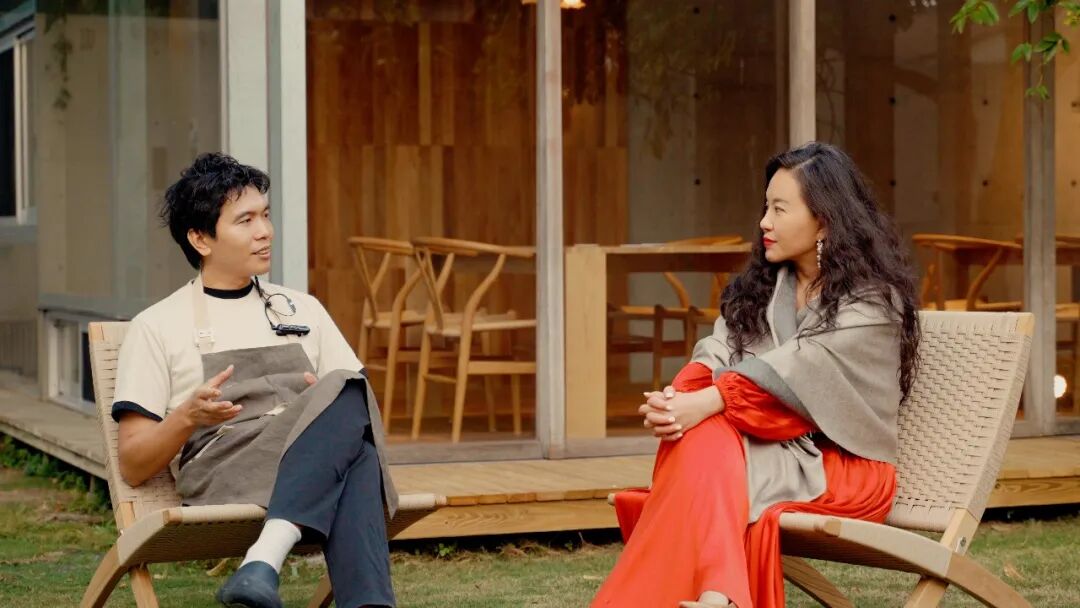 Chef Nick (Left) & Author (Right)
Tainan is where he grew up. His understanding of ingredients here runs deeper, and more differently — there is a stronger emotional connection. Take milkfish, for example: it is a fish he grew up eating every day. Returning to Tainan meant reconsidering how to cook something so familiar. In Taitung, he encountered many novel ingredients he had never handled before. In Tainan, however, he faces ingredients he knows intimately. Yet precisely because they are so familiar, they are harder to reinterpret. He describes it as “a familiar stranger.”
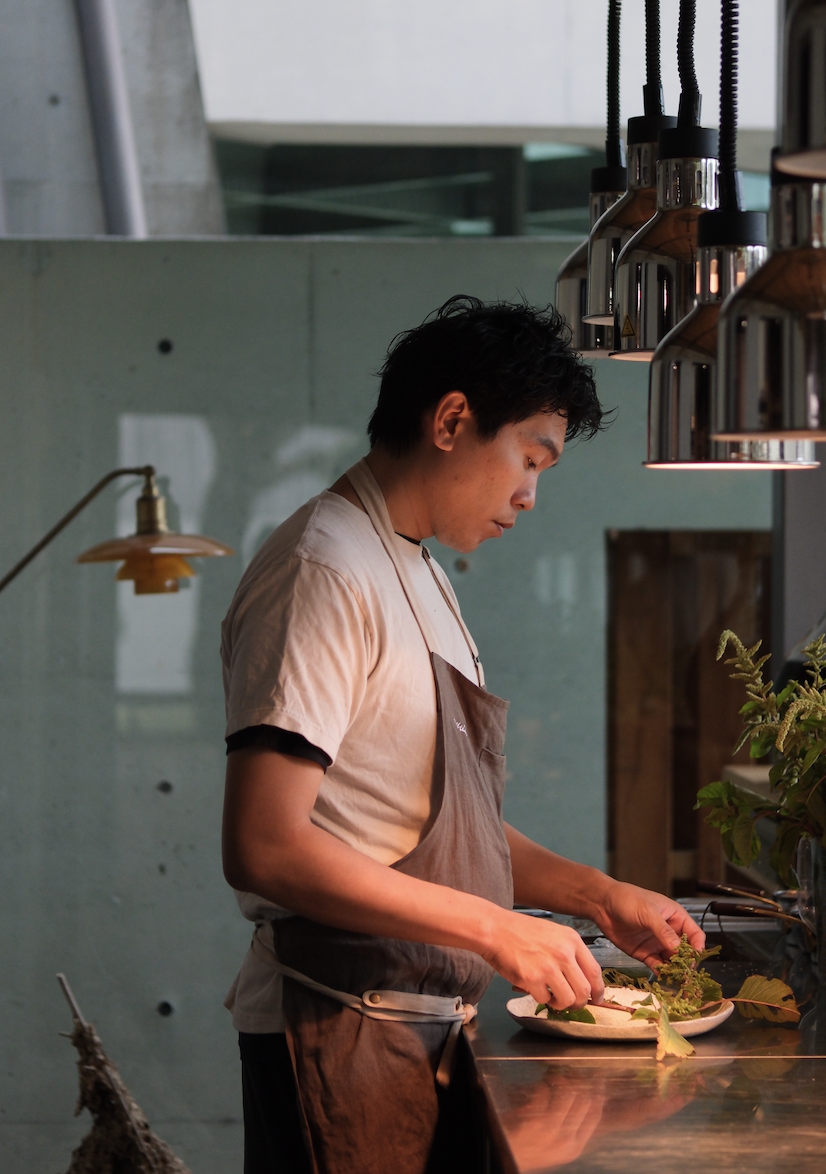 Chef Nick
Why choose Yuguang Island? He says many outsiders do not know it. It was once called Kunshen, a sandbar. Today, people come to watch the sunset and the sea, but there had never been a formal restaurant here. YuDao is currently the only fine dining restaurant on Yuguang Island.
He looked at many locations in Tainan but felt no connection. One day, riding his scooter here, he fell in love with the feeling of this small fishing village. It is quiet, with sea breeze constantly moving through — reminiscent of Changbin. He has grown accustomed to cooking in such environments, closer to nature and more attuned to seasonal change. The fishing harbor is only five minutes away. In Taitung, ingredients were largely centered around the Hualien–Taitung region; now Tainan takes precedence, though Hualien–Taitung remains present. He cannot forget Taitung — too many beautiful ingredients remain there.
YuDao takes over part of what was once the well-known local guesthouse Mao House, renovated from its restaurant and several rooms. It is about twenty minutes from Tainan city center. A friend advised me to arrive before sunset. Crossing Yuguang Bridge, the sky glows with the last light of day. The area is quiet. Upon entering, the space opens unexpectedly — a generous courtyard, and where there are trees, there is spirit. The exposed concrete structure and full-height glass façade look unmistakably like Nick’s restaurant.
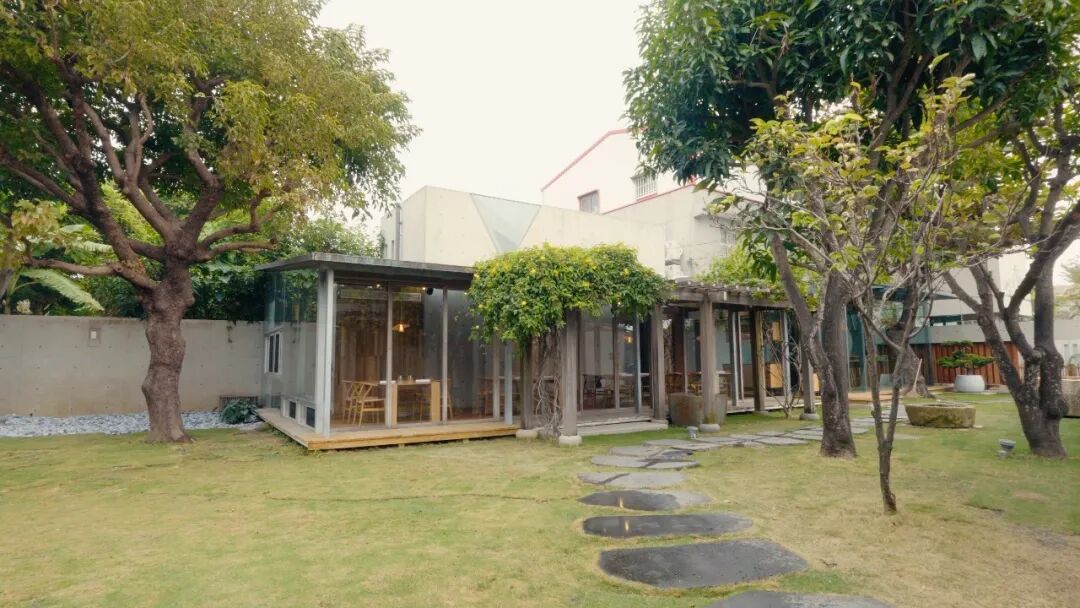
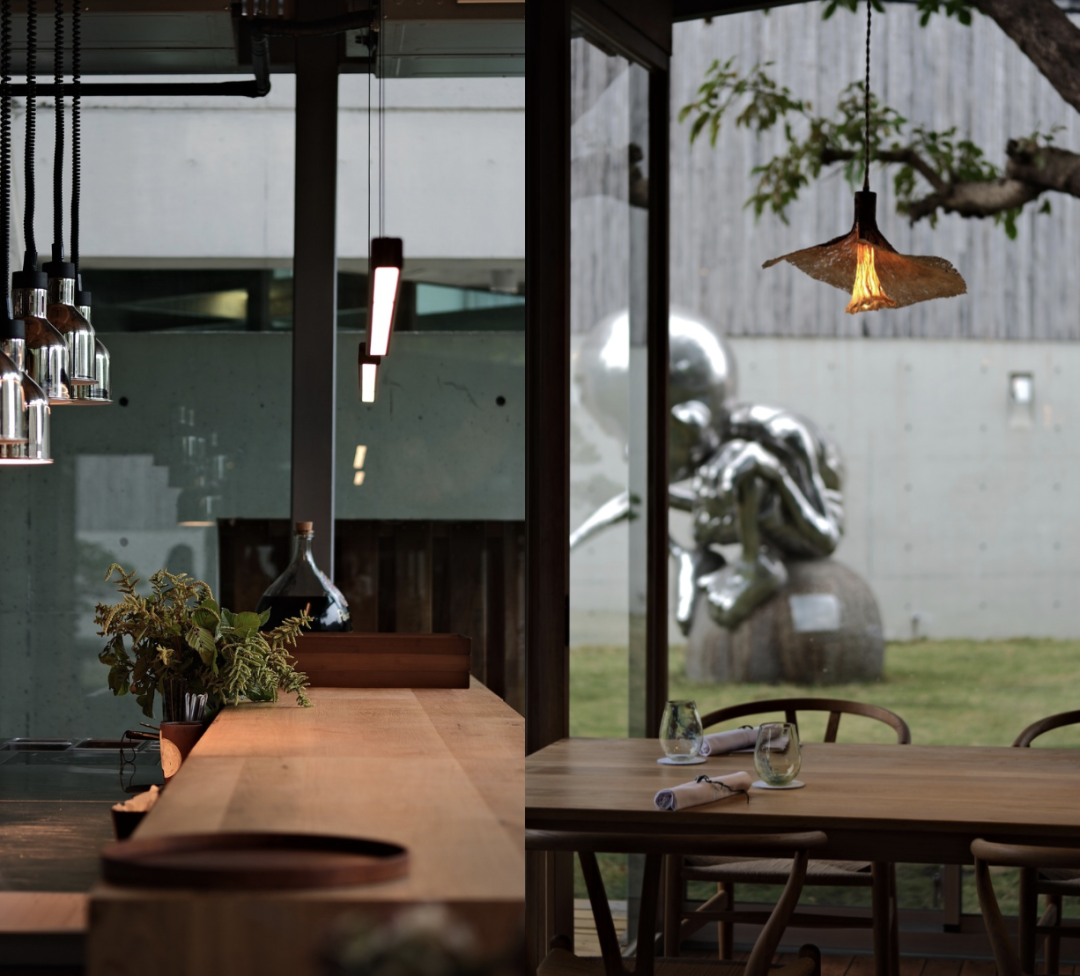
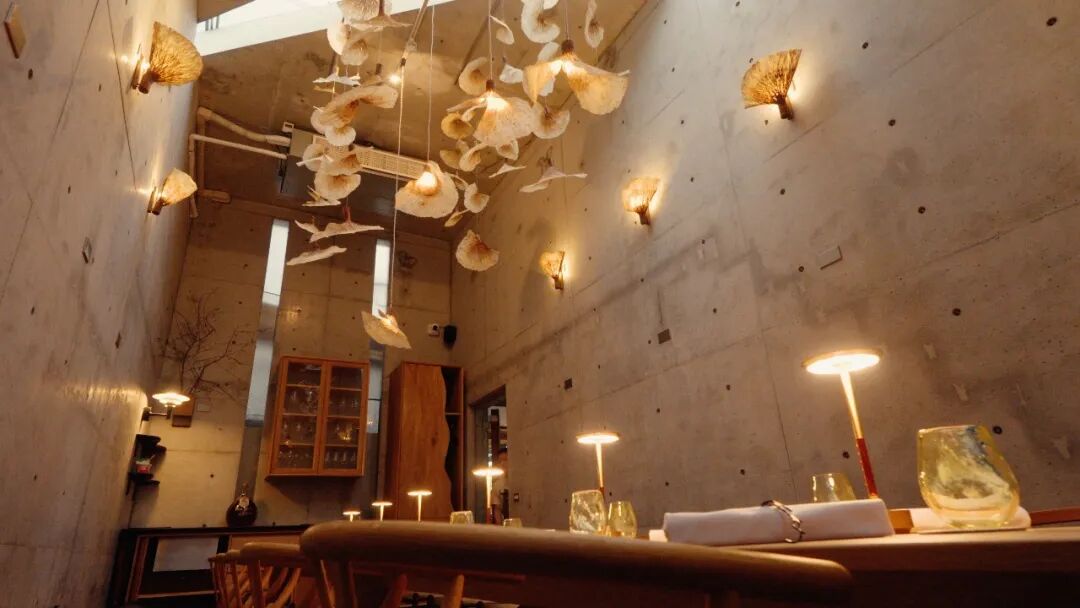 YuDao's Interior
The team is equally impressive: front-of-house members with overseas experience, a warm and approachable sommelier, and a strong kitchen brigade. Although hiring in the hospitality industry is never easy, the experience of operating in remote Taitung has made everything smoother this time.
On the debut “Giving” menu, milkfish appears in an entirely new way. Most surprising is its raw presentation. At 3 a.m., the fish is harvested and bled live at the harbor, then dry-aged for seven days. The milkfish is served raw and smoked into a tartare, topped with house-made milkfish crisps. Beneath are dried cauliflower and cauliflower purée. The flavors are clean and precise, layered yet free of any fishiness. Even my Japanese friend was impressed. Finished with bergamot, kombu oil, and caviar, the dish is elegant and pure.
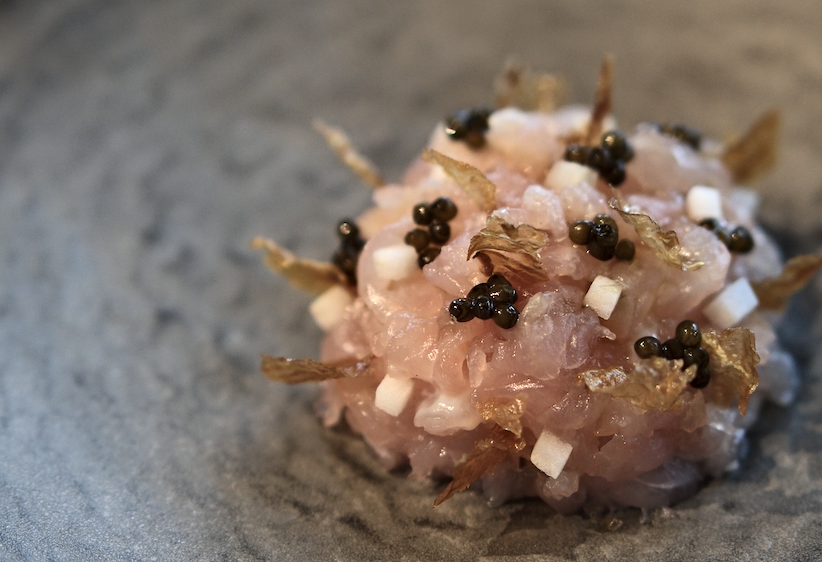 Milkfish
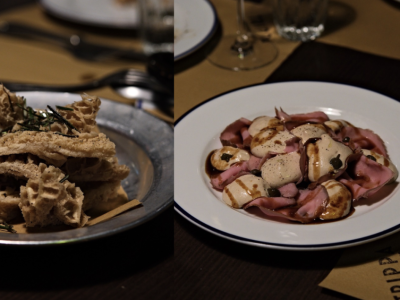
That day, the market offered fresh mullet roe milt (mullet shirako), silky and delicate, paired with béchamel, vegetables and freshly shaved Brazilian mushrooms — a dish suited to winter (though winter in Tainan is hardly winter). It was accompanied by longan flower sweet potato bread made with Dongshan dried longan, longan blossoms, and longan honey — rustic and delicious. Nick has always enjoyed incorporating distinctive local ingredients into bread.
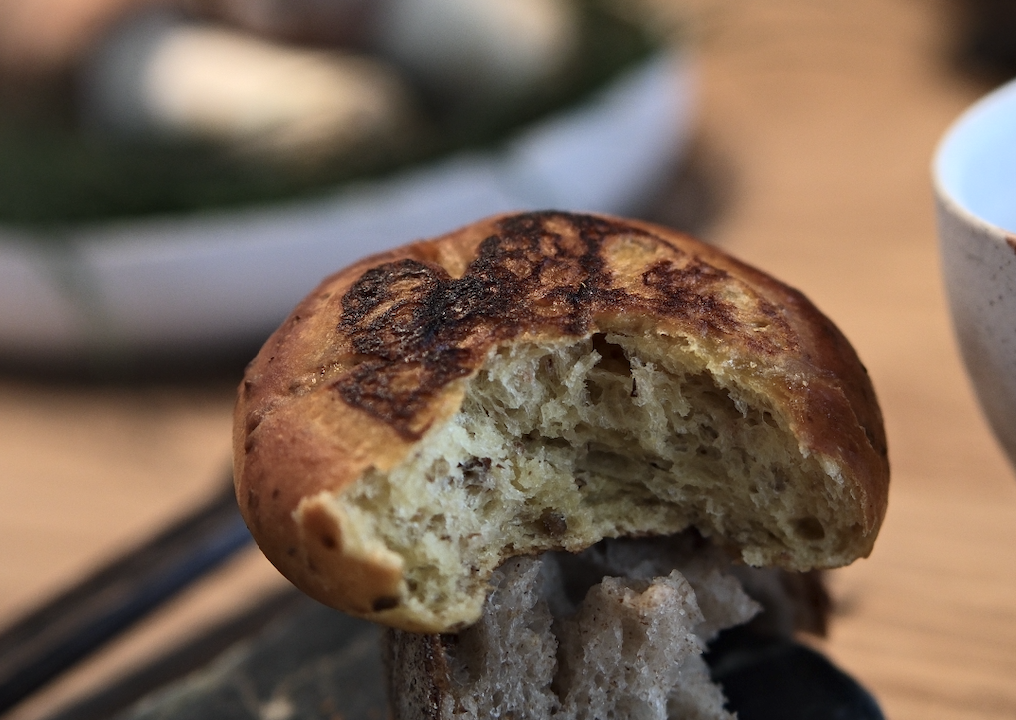 Longan Flower Sweet Potato Bread
The “Taiwanese–French banquet” soup course — a French-style puff pastry soup simmered with coconut, abalone, fish maw, and bamboo shoots. For him, this dish evokes childhood memories. His grandmother once prepared traditional Taiwanese banquet (ban-doh) feasts, where hot soup is essential in winter. He integrates French techniques with Taiwanese banquet culture, sealing the soup inside a coconut shell beneath puff pastry, creating a distinctive aroma.>div/>
Next, Changbin white prawn from Taitung is presented stone-seared, paired with chives and Spanish Needles green sauce — a dish once popular at Sinasera 24, now refined further in seasoning.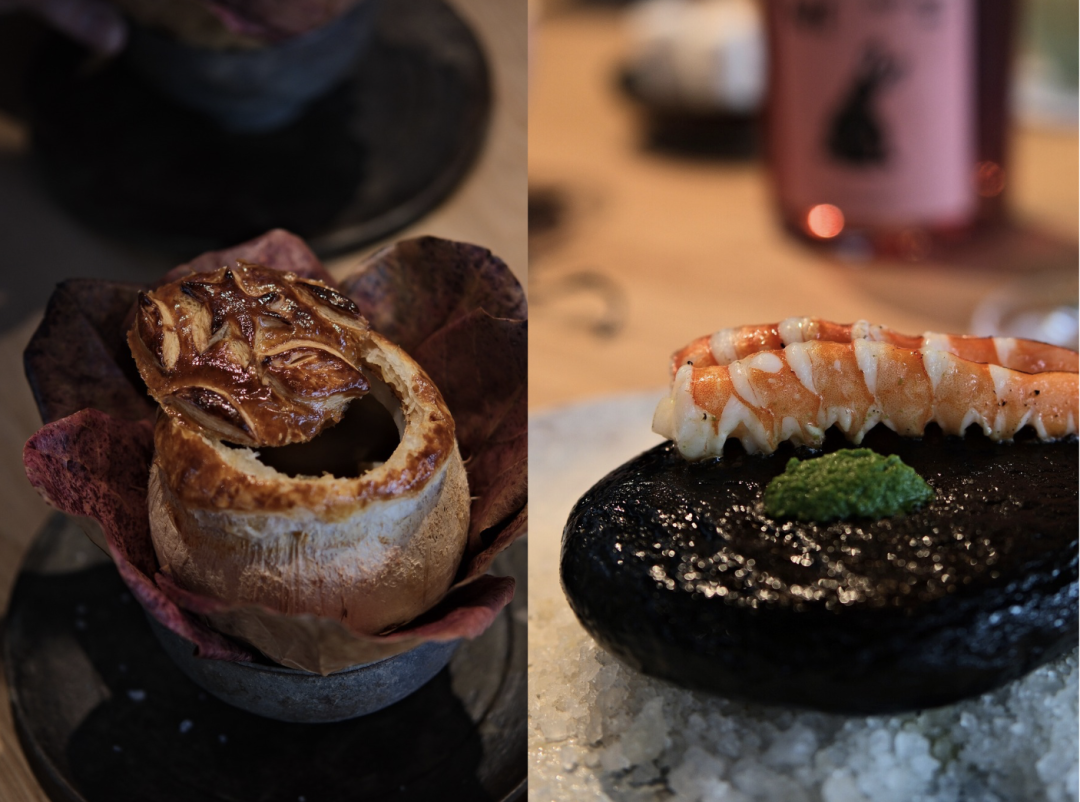 Puff Pastry Soup (Left) & White Prawn (Right)
The first main course features venison meatballs blended with venison fat, served with blood sausage sauce, green cardamom apple, and green banana purée. Charcoal-grilled, it carries a subtle resemblance to yakitori-style chicken meatballs.
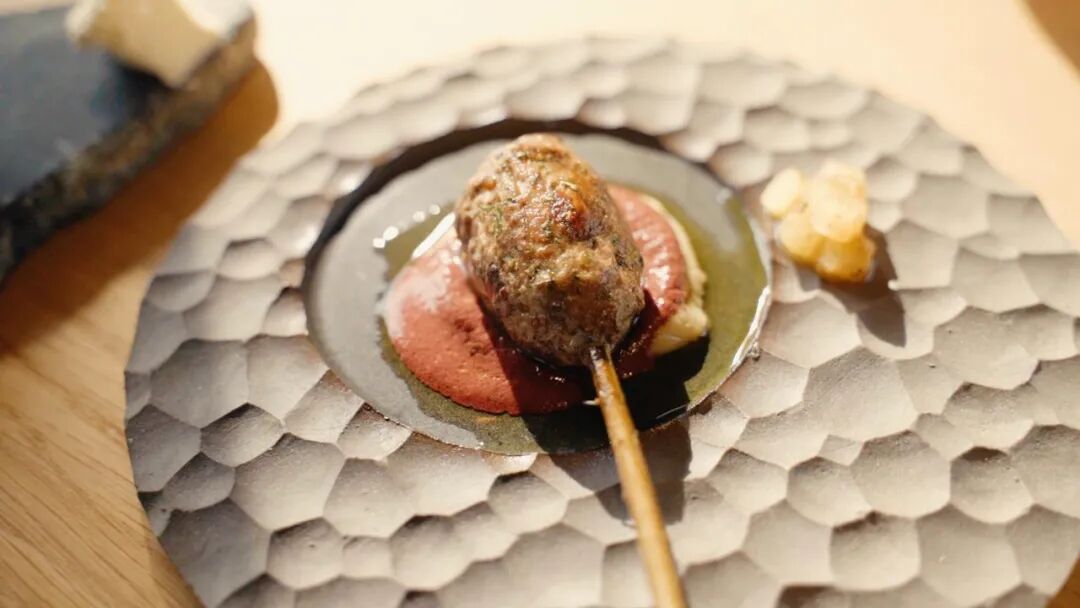 Venison meatball
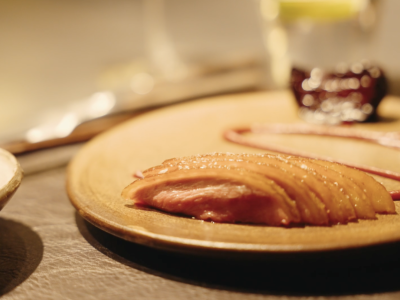
Berkshire pork loin is coated in cinnamon-spiced breadcrumbs and grilled over open flame, accompanied by seasonal spinach and charcoal-grilled sugar apple from Taimali, Taitung, finished with veal bone red vinegar sauce. The personal expression is unmistakable; one senses clearly the influence of his collaboration with L’evo in Toyama, Japan.
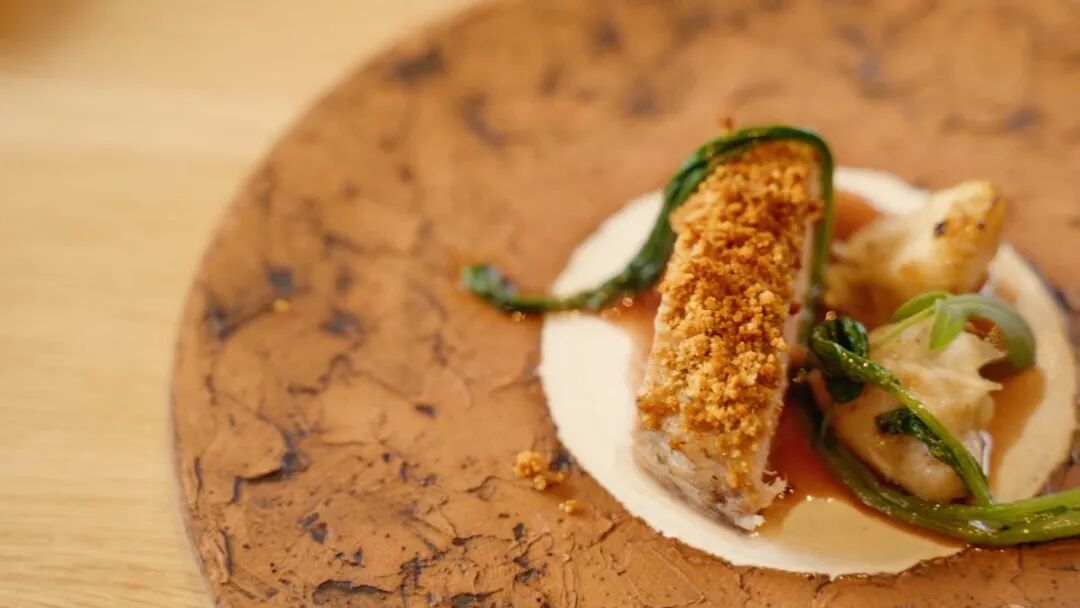 Berkshire pork loin
The rice course draws inspiration from Tainan’s banquet culture. “When something happens, we host a banquet” — this is how social life functions in Tainan. Everyday dining carries a strong regional identity: several dishes and a soup. Herbs are concentrated directly into the rice. The cooking water is purified with oyster shells and bamboo charcoal. Kaohsiung No.139 rice is folded with herbs from the restaurant’s own farm and browned butter. It is accompanied by house-made pickles — rice-bran guava, aged plum mushrooms, peanut tofu, and sugar-cured mullet roe — and finished with a foxtail grass milkfish bone broth.
Desserts are equally memorable. Yuli Aiyu, pear, and Chike Mountain black tea serve as a refreshing palate cleanser. Riz au lait made with Taitung Risomi is paired with soy milk ice cream, charcoal-grilled Guiren strawberries, and strawberry–makauy sauce, accented with lavender seeds, sumac, and pepper — fresh and delicately sweet.
Among the petit fours, my favorite is the Dongshan dried longan rice-cake madeleine, served with house-blended herbal tea.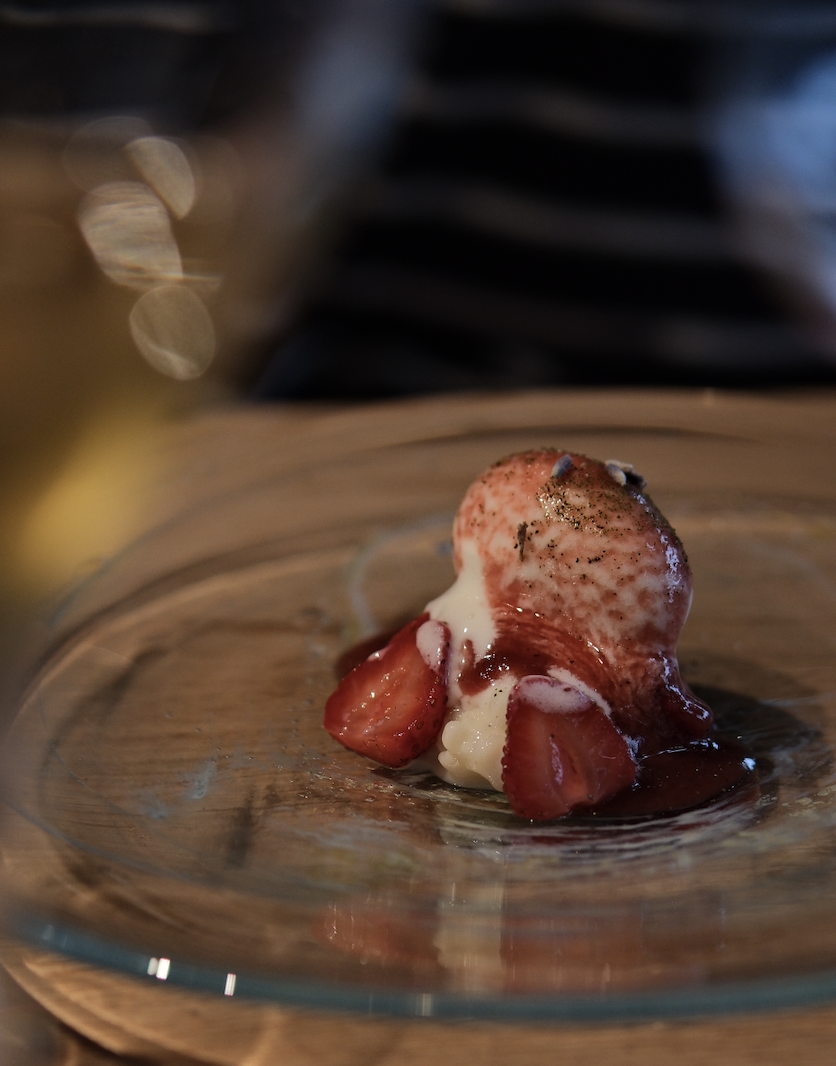 Riz au lait
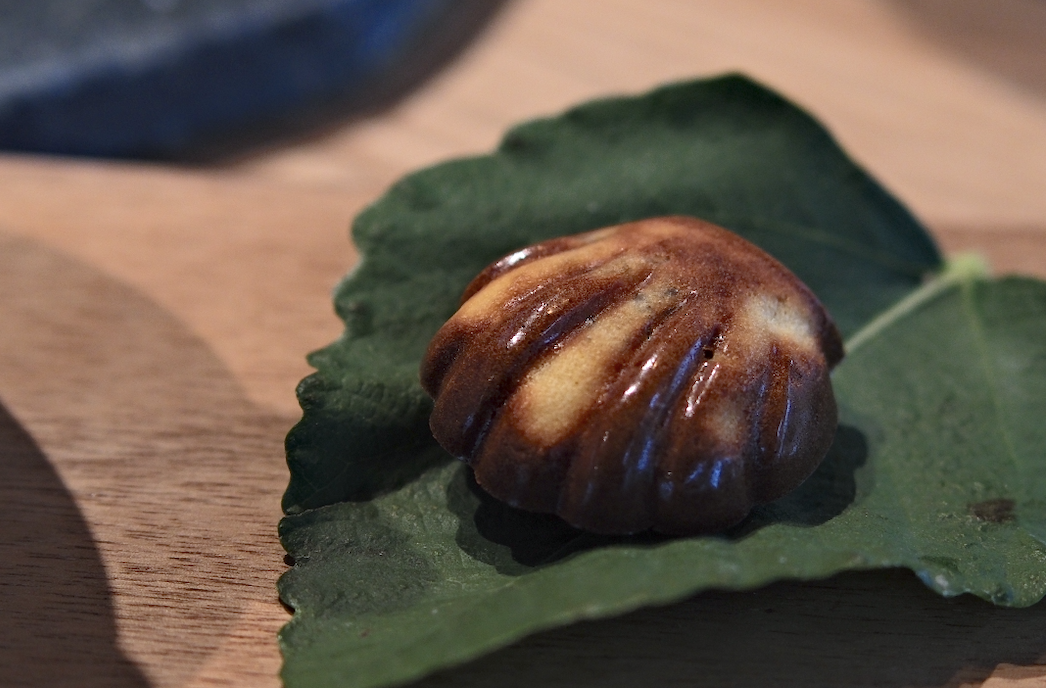 Dried longan rice-cake madeleine
Nick’s handling of flavor has become more expressive; his personal voice more defined. The cuisine is rooted in local terroir, ingredient-driven, and precisely seasoned. It feels gentle and sincere — balanced in flavor, and grounded in respect for ingredients.
He hopes YuDao conveys a sense of local value. Once you cross Yuguang Bridge, it feels like entering a sanctuary. This land brings its own ingredients and flavors. From the casuarina-lined path to the small fishing village, then into a minimalist dining room, one simply sits and eats.
What they wish to present is “an island.” Not only ingredients, but also tableware, lighting, and artisan works — nearly everything originates from this land. He hopes creators feel their own value and continue creating.
YuDao’s cuisine is heartfelt and deeply connected to Tainan. Its flavors, rhythm, and ingredient selection clearly respond to the local climate, coastal lifestyle, and the chef’s own memories growing up here. To say it merely “settles” in Tainan would be superficial — this is a restaurant that has grown organically from Tainan itself.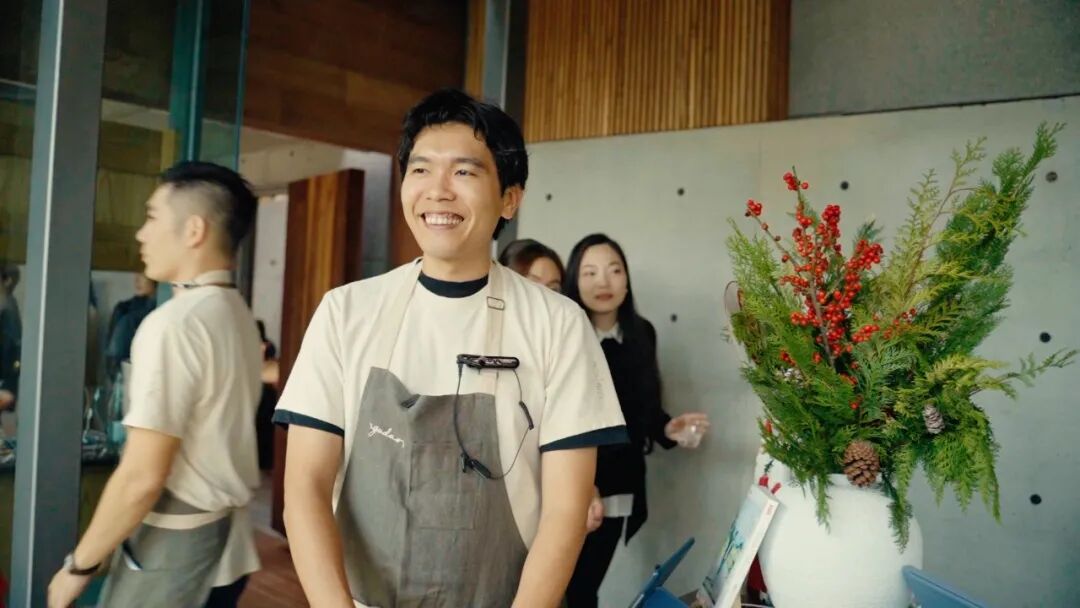
One hopes that one day, gastronomes from around the world will travel to Tainan for this meal — to experience this piece of land firsthand.
Author: Jocelyn 華姐
Photos: Jocelyn 華姐、Patty Chuang