With the Northern Italy Winter Olympics countdown underway and Milan Women’s Fashion Week just around the corner, many are planning a trip to Milan—but wondering where to find authentic local food.
Over the past years, we explored Milan through visiting time-honored local spots, buzzy neighborhood favorites, and of course, the one gelato spot unanimously hailed by Milanese chefs as the best in the city.
Save this guide featuring 7 must-visit food spots in Milan and add them to your Milan map before you go.1
Trippa
Trippa literally means tripe, and as the name suggests, it immediately conveys how proud chef Diego Rossi is of his tripe and offal cooking.
The hallmark of Trippa’s traditional cuisine lies in its use of top-quality ingredients and a measured, respectful approach to innovation—not to overturn tradition, but to amplify the richness and depth of classic flavors rather than breaking their boundaries.
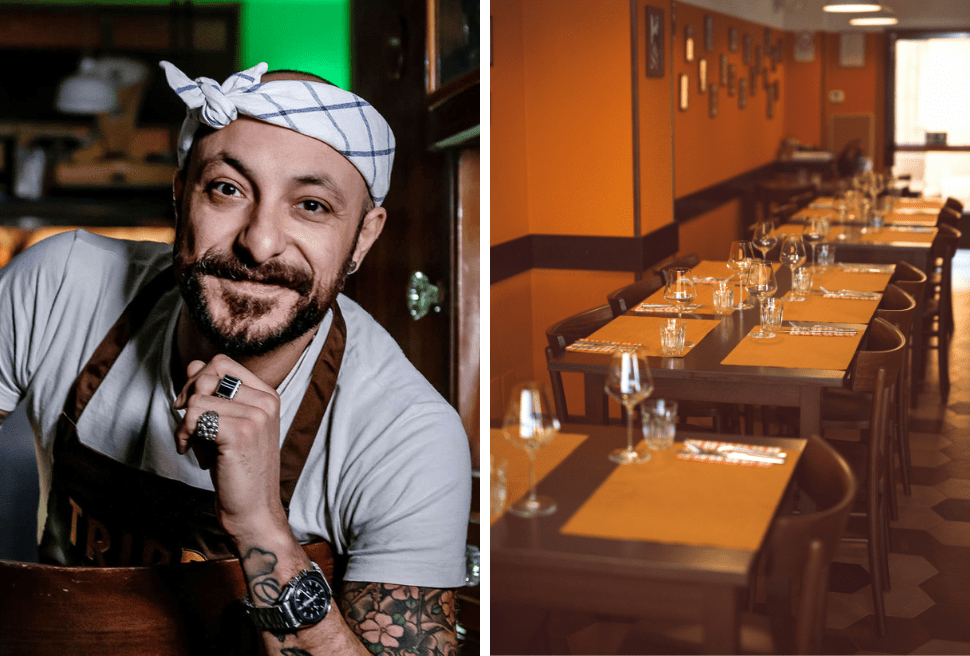 Left:Chef Diego Rossi
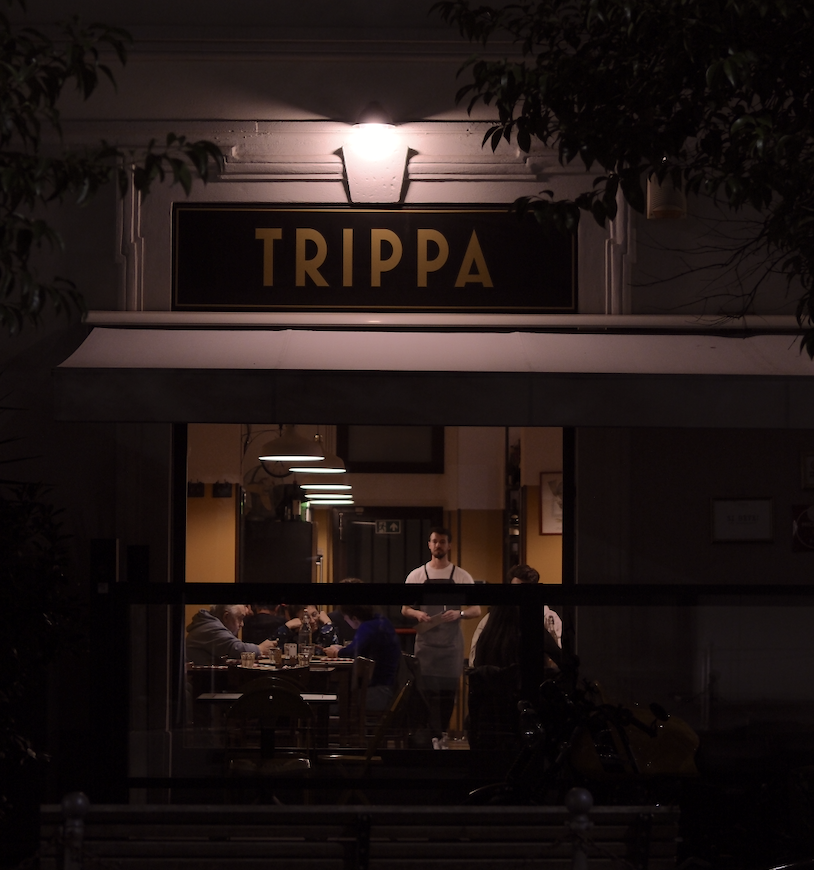 Trippa
Before founding Trippa, Diego Rossi worked at the Michelin-starred Ristorante Delle Antiche Contrade in Cuneo in the Piedmont region, and traces of Piedmontese cuisine can indeed be found in Trippa’s dishes.
Trippa has become one of Milan’s most popular restaurants because of its simplicity, with a clear aim: to recreate the flavors of Italian rural cooking. Its signature fried tripe, unlike the more common stewed version, is deep-fried to a crisp, satisfying texture, while other offal dishes are equally aromatic and irresistible. In addition, vitello tonnato and a selection of Italian cheeses are also standout specialties of the house.
 Tripe(Left)、Vitello Tonnato(Right)
Via Giorgio Vasari, 1, 20135 Milano
2
Verso

Verso is located in the Duomo Square in Milan and was founded by the two brothers and chefs Remo and Mario Capitaneo from Puglia. The restaurant features an open kitchen, allowing diners to directly observe the preparation of each dish. Verso not only showcases classic Italian flavors but also skillfully incorporates elements of Puglian cuisine, offering guests a distinctive and memorable dining experience.
The restaurant’s modern design pairs seamlessly with its creative cuisine. Dishes are often presented in a clean yet elegant style, leaving a lasting impression both in terms of flavor and visual appeal.
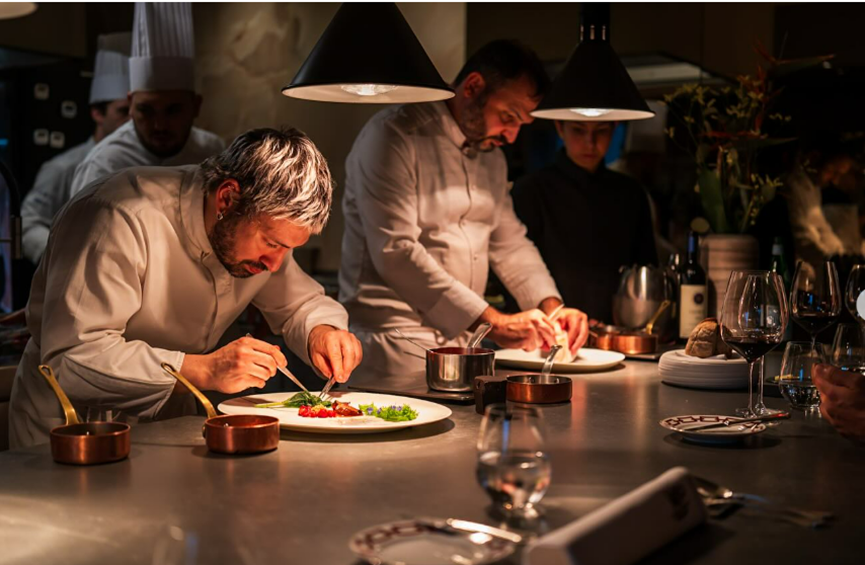 Chef Mario Capitaneo & Remo Capitaneo
 @ynsuper
Different from many other Italian restaurants, Verso’s menu is very carb-conscious, more focused on meats and seafood. Signature dishes include seafood risotto, and slow-braised beef with sauce, made from premium cuts cooked until exceptionally tender and finished with a rich, deeply flavorful sauce that is truly irresistible.
P.za del Duomo, 21/secondo piano, 20121 Milano
3
Confine
When asking chefs in Milan where they go for pizza, one name came up again and again: Confine.
Confine overturns the usual image of what a pizzeria is. The pizza here is not a quick, casual slice. It exists so that guests can sit down and enjoy a complete, thoughtful meal.
Confine was founded by two young men from Salerno in southern Italy. Francesco Capece brings a professional background in pizza-making, while Mario Ventura focuses on hospitality and wine service.
 Mario Ventura(Left)/ Francesco Capece(Right)
In the tasting menu —every dish was outstanding. The Double Margherita : tomatoes, mozzarella, and basil at its core, but what makes it unique is the technique—first fried, then baked. Each bite feels like tasting a cloud. Their signature “Cal Gyoza Calzone,” merges the idea of pizza with pan-fried dumplings. Soy-marinated pork belly with cabbage, red prawns, and black lime evokes Chinese stuffed pancakes.
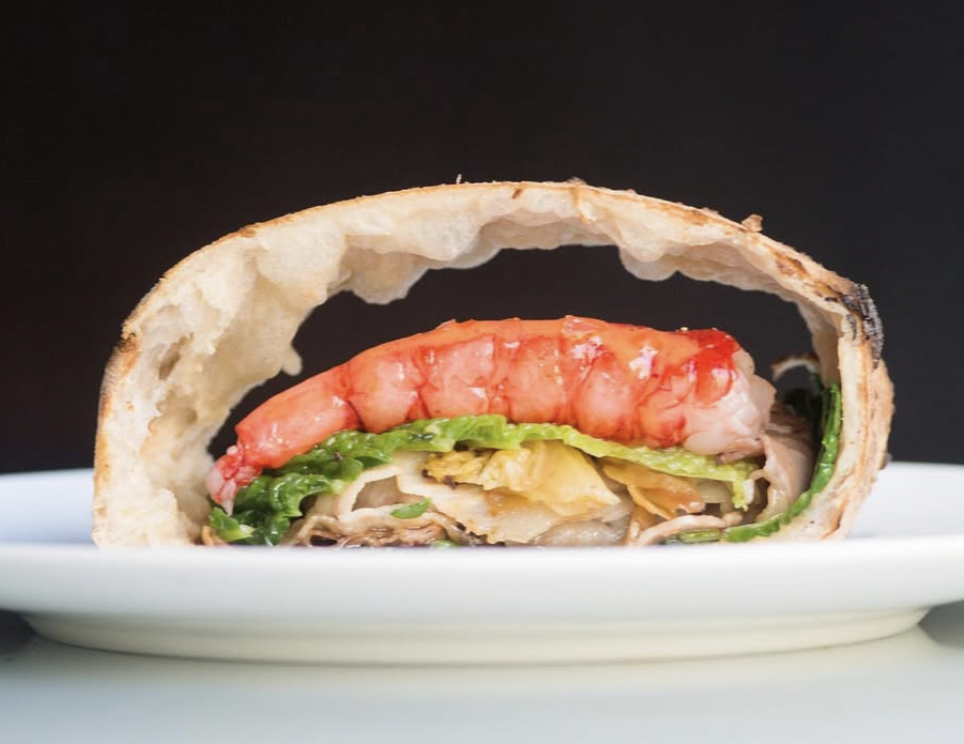 Cal Gyoza
“Confine” neither strays too far from pizza’s cultural roots nor confines itself to old frameworks.The question Confine raises is: What can pizza become? Where are its boundaries?In Milan, they are actively shaping the answer.
Piazza Cardinal Massaia, 20123 Milano
4
Frangente
Among Milan’s most popular bistros, besides the well-known Trippa, many modern and delicious eateries are emerging—and Frangente is one of them. Chef Federico Sisti is passionate about surfing, and the restaurant’s name, Frangente, in Italian means “the moment a wave forms”—a moment he considers perfect, and one he has brought into the kitchen as a principle.
Frangente emphasizes a relaxed, modern feel and a spirit of freedom, while also focusing on seasonality, high-quality local ingredients, and precise cooking.
One of the most memorable dishes was the sweetbreads of 18- to 24-month-old veals. It has already become a signature dish of the restaurant.The 40-day dry-aged beef is full of lavor. The fattier parts are charcoal-grilled so that the edges turn crisp, delivering a lardo-like texture, while the meat remains juicy. The grilled red mullet is placed atop roasted eggplant and dressed with a Mediterranean sauce of capers, oregano, and lemon zest. The squid is cooked directly on the grill in front of the counter, highlighting its pure flavor. Veal Sweetbreads
Frangente combines energy and vibrancy with refined Italian cooking techniques and superb local ingredients. Diners can feel Chef Federico’s liberated approach to cooking, and his surfer-like pursuit of “capturing the perfect moment.”
Via Panfilo Castaldi, 4, 20124 Milano
5
Bentoteca
Born from the idea of Michelin one-starred Japanese chef Yoji Tokuyoshi, Bentoteca was initially conceived as a spin-off Japanese takeaway of his more formal restaurants as dining in became extremely hard in Milan due to the lockdown. “Bento” in Japan is the box containing the packed lunch to be consumed at school or at the office, and “enoteca” means a special type of local wine shop that originated in Italy. Bentoteca’s success was so great that even the chef himself didn’t expect that coming.
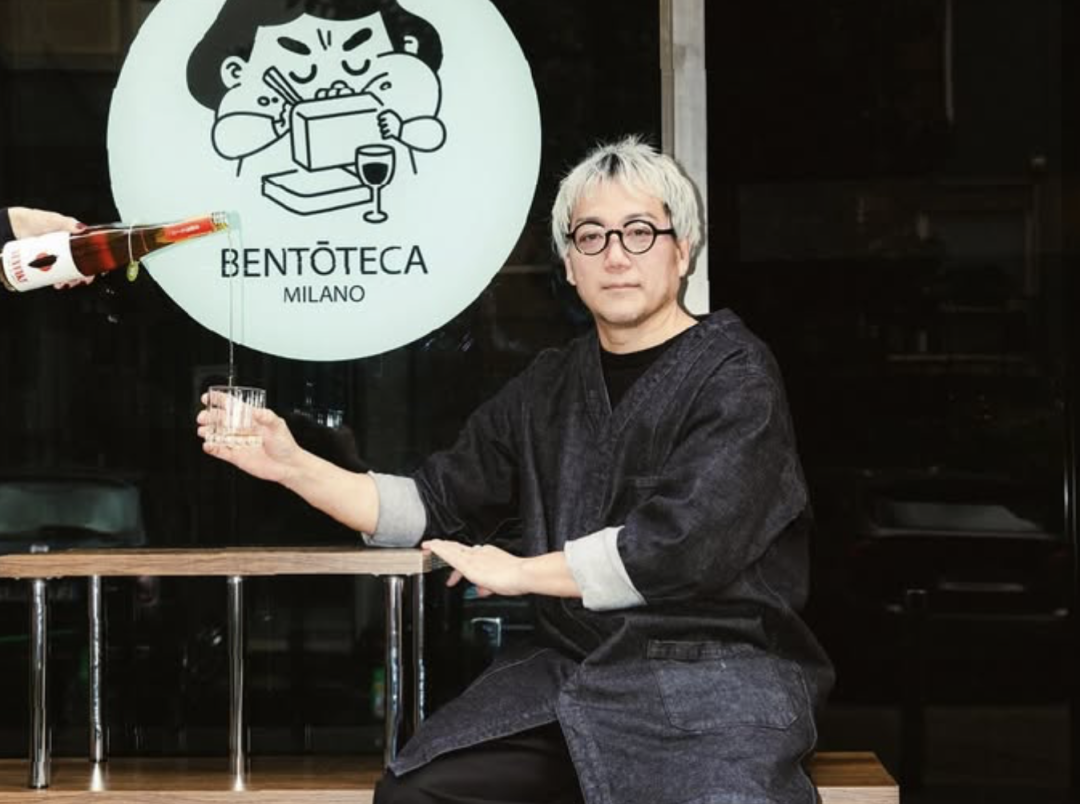 Chef Yoji Tokuyoshi
Izakaya (informal Japanese bar) may not be a suitable place to describe Bentoteca as the food it serves is of the quality of what a Japanese fine-dining chef would want to eat at home. Yoji Tokuyoshi served as a sous chef at the three-Michelin-star restaurant Osteria Francescana in Italy for nine years and has later opened up his own Michelin-starred Italian restaurants in Milan (Ristorante Tokuyoshi) and Tokyo (Alter Ego).
Bentoteca was everything I expected. The seemingly simple tuna tartare with fresh salmon roe had fantastic texture and a bouncy blast to it. With the sushi rice and seaweed provided, you can assemble this tuna temaki by yourself and season with yolk and Japanese soy sauce. Both the ingredients and flavours were of premium quality.
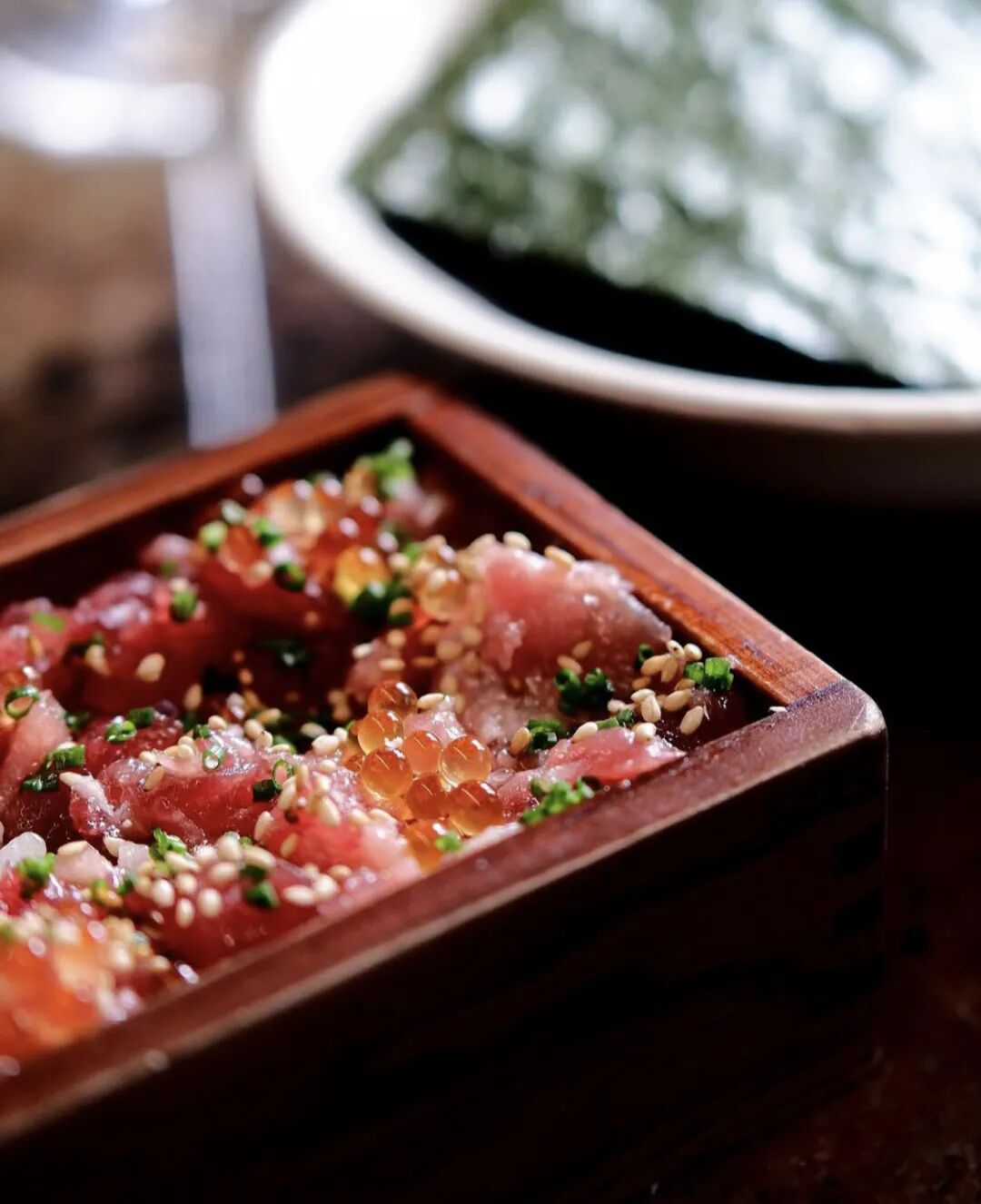 Tuna Tartare
Paired with small pieces of Japanese-style fermented squid to blend spiciness and fatty richness, the grilled beef marrow was spread over shokupan toast (Japanese bread made with milk) for an outstanding result.
Coupled with spinach mayonnaise and cabbage for layered texture,Katsusando featured sandwiches with veal tongue stewed at low temperature and fried to perfectly crispy and meltingly tender. The “white toast” or Japanese milk bread has been quite overlooked in Italy, but Bentoteca specifically works with a bakery that specialises in making this kind of fluffy white bread. The pigeon was marinated in sake wine, roasted and served with sardella sauce and purslane. Sardella is a mouth-watering delicacy that is made from newly hatched sardines, peperoncino, and wild fennel tips. Japanese flavour was not the starring role but still very delicious.
Via S. Calocero, 3, 20123 Milano
6
Il Luogo di Aimo e Nadia
Il Luogo Aimo e Nadia is one of Milan’s classic restaurants for Italian cuisine. Very few restaurants, when entering a new generation, can transition from the original husband-and-wife chef team to another pair of co-executive chefs who continue a sixty-year legacy. Such a succession is extremely rare in the fine dining world, and it remains one of the restaurant’s most fascinating qualities.
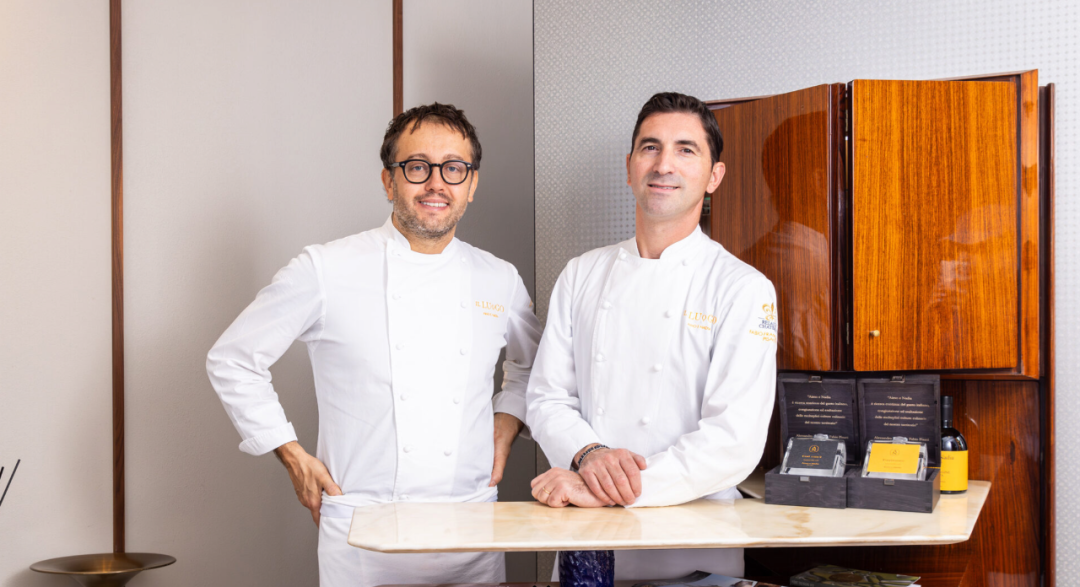 Left to right: Chef Alessandro Negrini & Fabio Pisani
Raviolo dedicato a Milano is a deconstruction of Milan’s classics: ossobuco and saffron risotto. The pasta had a pleasant chew, while the filling centered on the richness of braised veal shank and bone marrow—balanced, elegant...... What a beautifully executed highlight.
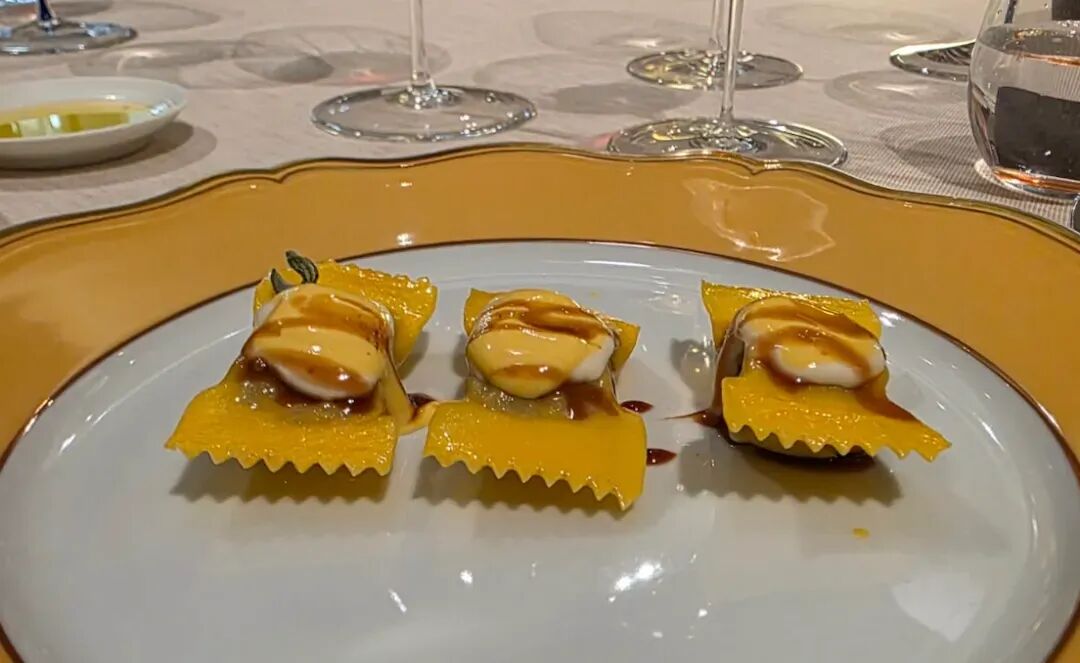 Raviolo dedicato a Milano
The main course -- Miroglio pigeon, consisted of a base of wheat-berry risotto enriched with pigeon jus, with the leg confit cooked at low temperature and meant to be eaten by hand. It was paired with quince jam, broccolini, and lightly smoked sesame sauce. The meat was tender with remarkable aromatic depth.
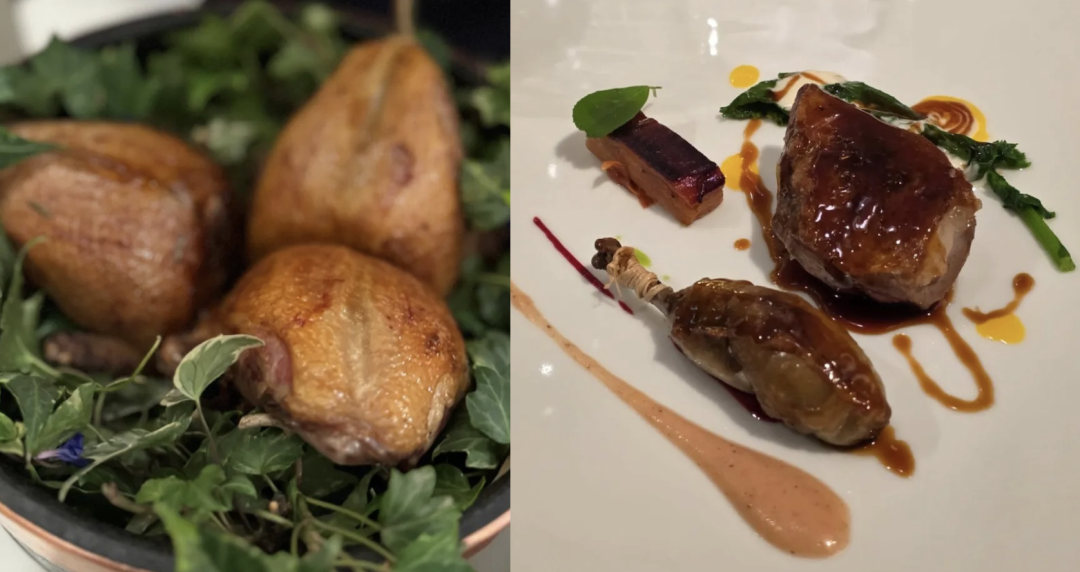 Miroglio pigeon
From appetizers to the main course, the meal showed an exceptional level of refinement and craftsmanship. The entire pacing of the meal was steady and confident, revealing the restaurant’s profound understanding of time and flavor.
Via Privata Raimondo Montecuccoli, 6, 20147 Milano
7
Ciacco
Ciacco, a renowned artisanal gelato shop in Milan, is widely recommended by leading chefs and is often regarded as the best in the city. Master Stefano Guizzetti is committed to using the purest, highest-quality ingredients to craft his gelato, allowing each flavor’s essence to shine through. At Ciacco Lab, the gelato studio attached to the shop, he continuously experiments with bold and unexpected flavor combinations that delight and surprise.
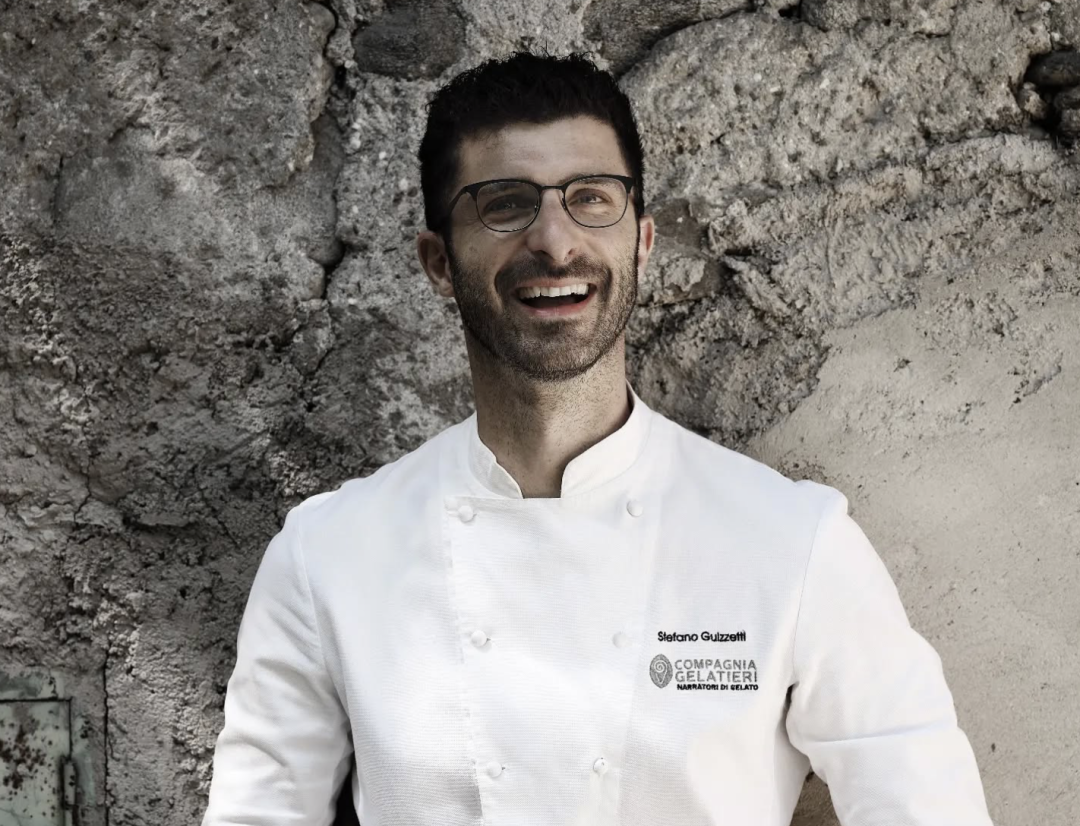 Master Stefano Guizetti
Stefano has a particular fondness for unconventional gelato flavors. One standout is the Tortello gelato, inspired by the traditional Italian pasta, featuring butter, egg, and sage—with a subtle hint of prosciutto. It's a surprisingly delicious blend that defies expectations. Another inventive creation is the cedar gelato, where the cream was infused with pine, pine cone syrup, and bark. The result is a refined, forest-inspired flavor that feels fresh and harmonious.
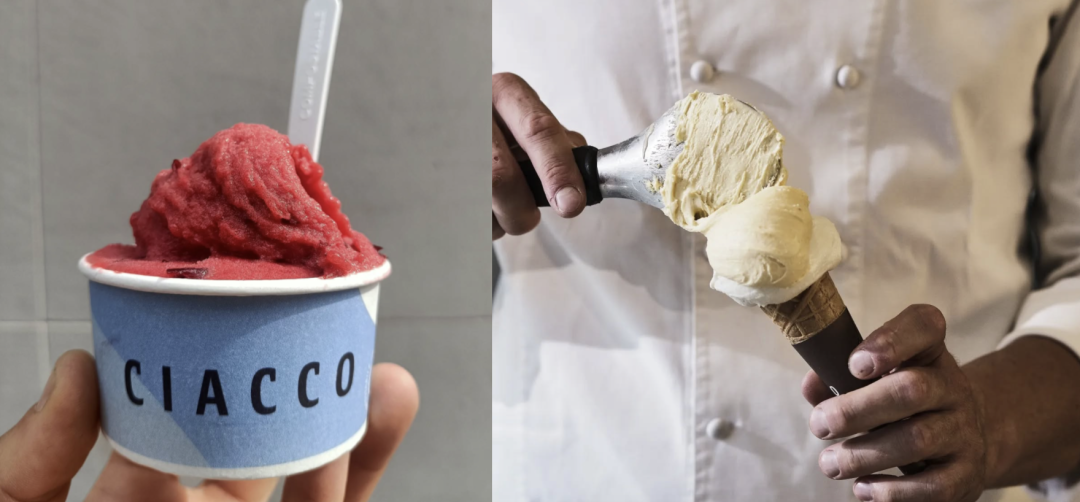
The popular strawberry sorbet, is made with just sugar, strawberries, water, and fiber — the ingredients couldn’t be simpler. Despite containing no milk, the texture is incredibly silky with no ice crystals. The layered, elegant aroma is captivating—especially when a generous scoop of freshly made strawberry gelato is scooped straight from the tub. Sweet and refreshing, it’s the perfect treat for Milan’s summer.
Via Spadari, 13, 20123 Milano
Author: Jocelyn Chen
Text: Patty Chuang
Photos: reporter gourmet/ Identita Golose/ instagram@confine_milano/ instagram@confine_frangentemilano