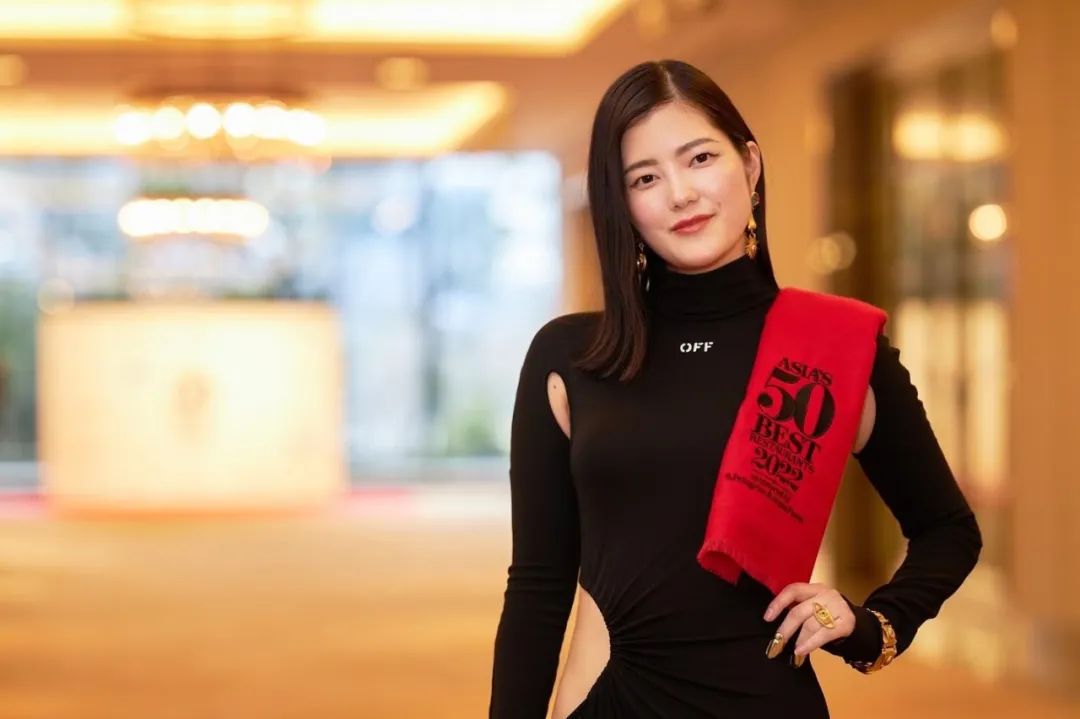
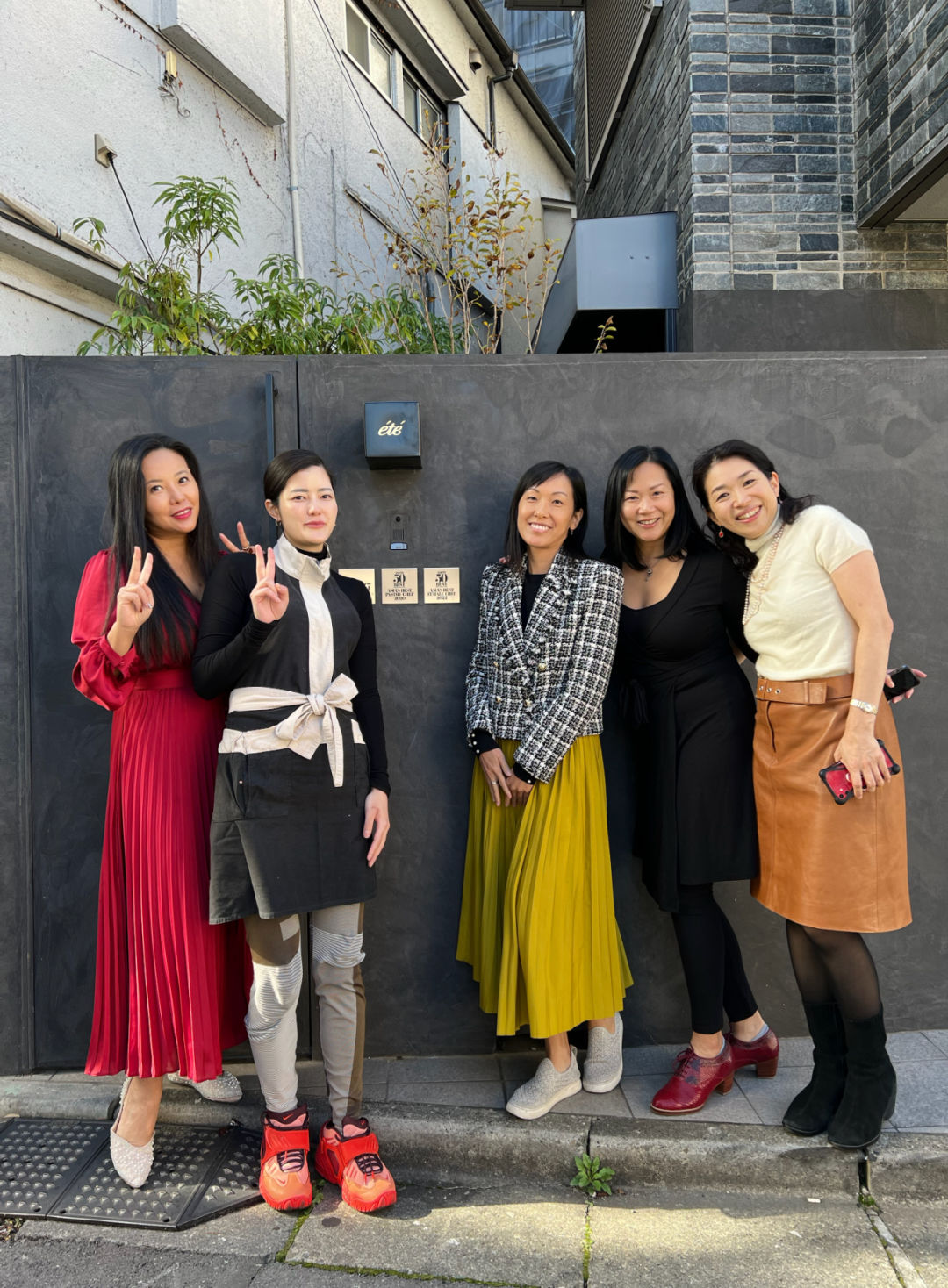
After winning Asia's Best Pastry Chef in 2020 for her fashion-inspiredfruit cakes, Tokyo chef Natsuko Shoji took home the Best Female Chef of Asia’s 50 best this year. Her restaurant in Tokyo, Été, caters up to six people a day so getting the reservation is no easy feat. Expect thoughtful service, beautiful dishes, and an array of pleasant surprises brought by Été. It would be unforgettably romantic to make a marriage proposal here.
Natsuko Shoji is only 33 years old. She started training as a pastry chef at Michelin-starred Le Jeu de l’Assiette in Daikanyama before working at the two-Michelin-starred Florilège for three years when she became its sous chef and decided to start her own business in 2014. Her mango cakes were an instant success and soon she opened her private table restaurant, initially catering up to four people before expanding to cater six by the end of 2019. I first met her in Hong Kong when I tasted her mango cake. She has mentioned in the press that many of her creative inspirations come from art and fashion brands, and she has indeed developed her own brand, or is at least a trendsetter, in the culinary scene.
 @natsuko.ete_instagram
On the world stage, even though many female chefs are gradually making their mark, there is still a stereotype about female chefs. They are often categorised as either having strong stamina or good looking, and less attention is paid to their culinary skills. This time in Tokyo, I had the privilege of visiting Été and the overall performance exceeded my expectation.
Chef Shoji’s dishes take advantage of the beauty of her pastries to showcase the flavours of autumn. The first dish saw crispy cracker hold Hokkaido sea urchin, salted egg yolk and Gruyère cheese, a simple and refreshing start.
Then there was a crab dish presented like a cake, with flower holding the top and bottom halves of a citrus. The bottom half contained crab paste and Mexican guacamole. Natsuko put in the top half of the sliced citrus and served it with a squeeze of citrus juice for a harmonious and appetising result.
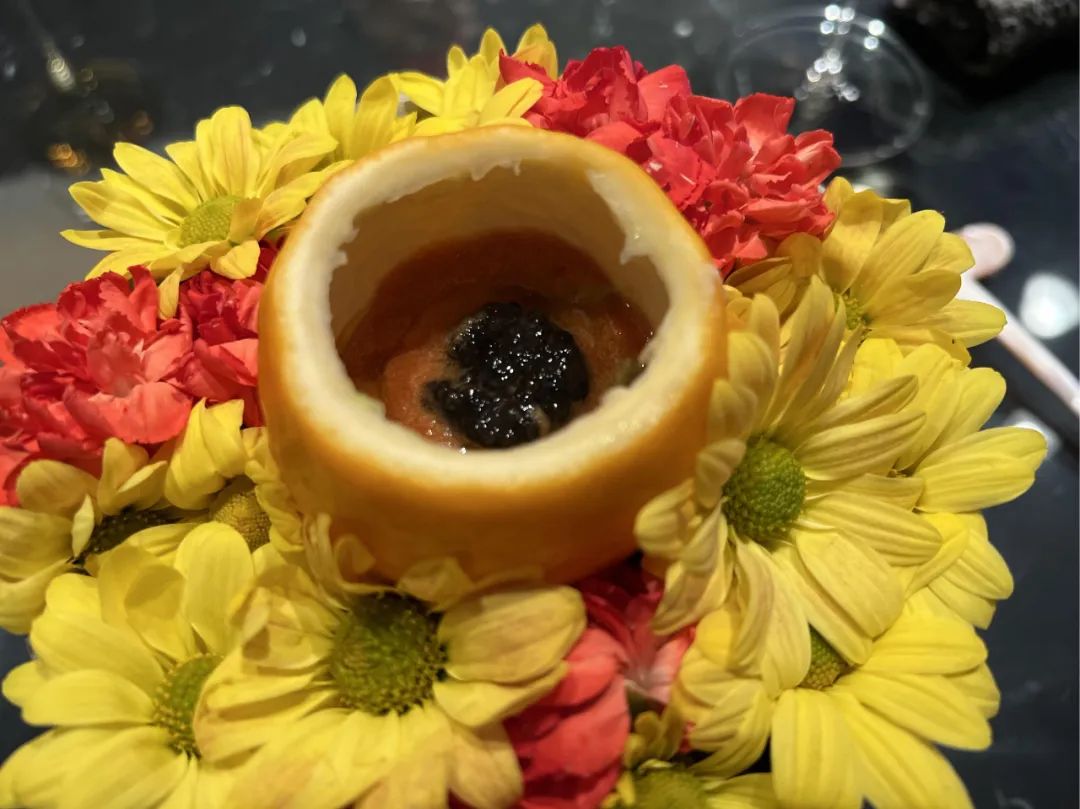 Hokkaido Sea Urchin, Salted Egg Yolk and Gruyère Cheese
The next was also a crab dish – Hairy Crab with pan-fried turnip and shimonita negi. It featured a rich sauce made from Shanghai hairy crab and paried with pan-fried turnips, whose crunchiness provided a nice textural contrast to the crab sauce. I doubt anyone would say no to this dish!
At this point, Natsuko brought out the freshly baked brioche bread with the size of a football, and cut through the surface at your table to reveal the mouthwatering aromas. A glass-covered plate of smoked crème was placed before each guest and opened just before serving. Of course, for a chef famous for her pastries, the bread did not let me down.
Autumn is the time when ingredients bloom and that includes matsutake mushrooms. From sashimi to steaming or even tempura, Japanese people know their way of cooking this treasured food. Été's matsutake mushroom risotto was another work of art! The thinly sliced matsutake mushrooms were arranged like a painting on a bed of soft, warm Koshihikari rice. It was pure and aromatic and almost too pretty to eat. The next up was a wonderful combination of the best seasonal ingredients – ravioli with Matsuba crab, bisque sauce and Alba white truffle which spread all over the ravioli like snow. When you poke the ravioli, crab meat and egg yolk would pour out lusciously as the fragrant aroma of white truffle merrily surrounds you.
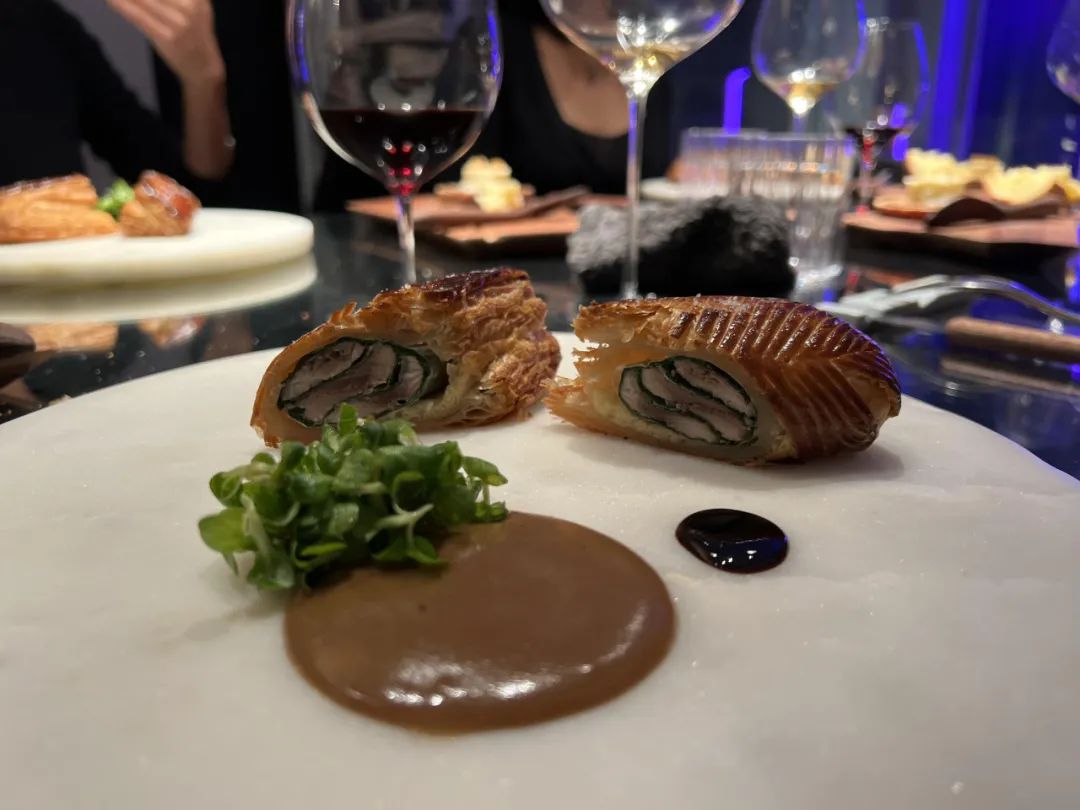
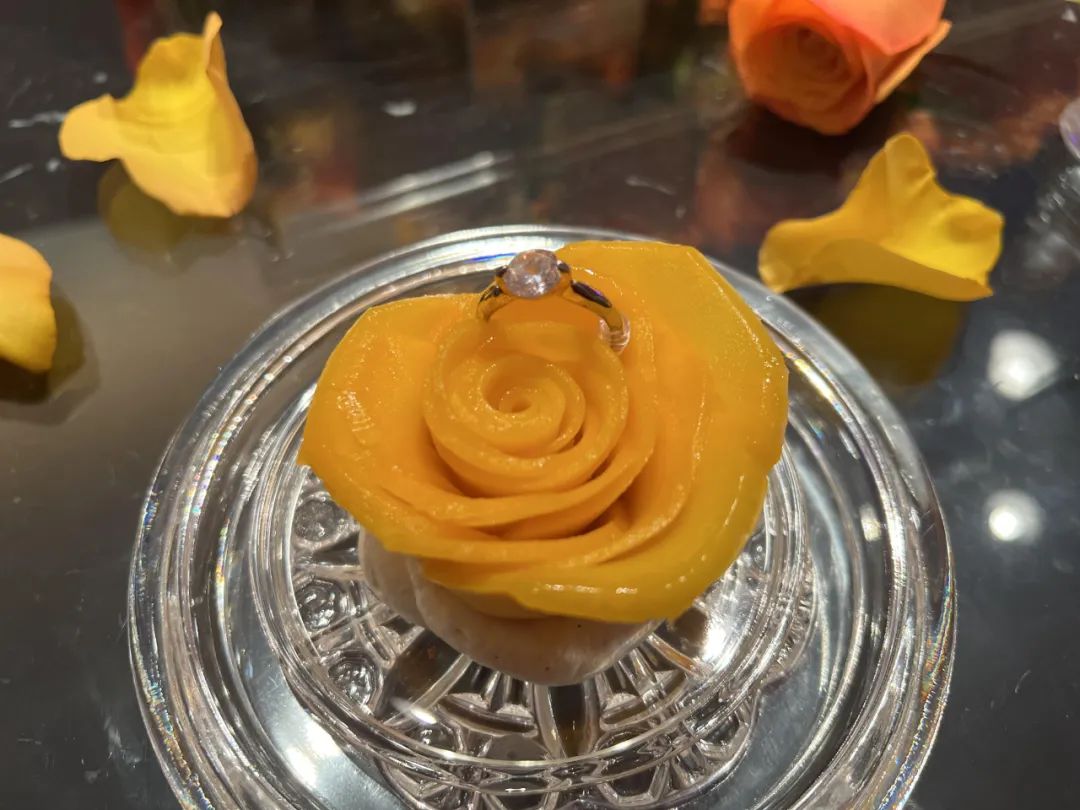
To finish off the meal, crispy puff sanma pie was served with a rich liver sauceand balsamic vinegar. The palate-cleansing dessert was a strawberry sorbet and the final dessert was the signature mango tart, made from Hokkaido mango grown in a sustainablegreenhouse heated by natural hot springs. It was platedlike a delicate flowerfalling onto a larger backdrop of rose petals. My heart was melted away.
Natsuko Shoji's cooking strives for excellence in each detail, from plating to serv-ing of the dishes. Natsuko’s beautiful smile fills guests with joy, but a scissor has two blades. In the culinary world, sometimes you need to break other people’s bias on appearance before you make a hit. Suffering mixed reviews just like Dominique Crenn, the only three-starred female chef in the United States, Shoji’s good-looking appearance and delicious fruit cakes have drifted people’s lens away from her real cooking techniques. A blessing or a curse?
The experience was beyond expectation. The dishes were cleverly designed and you know how delicious it should be the instant you see the menu. Although the flavouring was not wildly avant-garde, it was well balanced, solid and down to earth.
That said, it's hard to imagine that the chef who created such beautiful dishes had suffered from health hurdles and even bought a life insurance for herself in the process of getting loans to start her business. She wanted to be sure that if she died, she would at least be able to pay her debts. She finally recovered thanks to the healing magic of her stunning cakes.
More private table than restaurant, Été caters just one table seating one to six guests and one service per night. The chef herself and an assistant serve the whole party, and the intimate dining experience was very special.
Author: Jocelyn 華姐
Photo: Jocelyn 華姐/instagram