Whimsicality
Adorned by spotless sandy beaches and stunning coral reefs, Phu Quoc is the offshore destination of the Gulf of Siam. It is quickly evolving from an unknown isle to the in-stage nice scape in less than a decade. I can never imagine my virgin voyage to Vietnam not sojourning in the archaic Hoian or revering the high colonialism in Hanoi but a dash to the jolly seaside of Phu Quoc. Still, never can I resist the temptation to travel with my set wherever we agree on, exotic or generic.
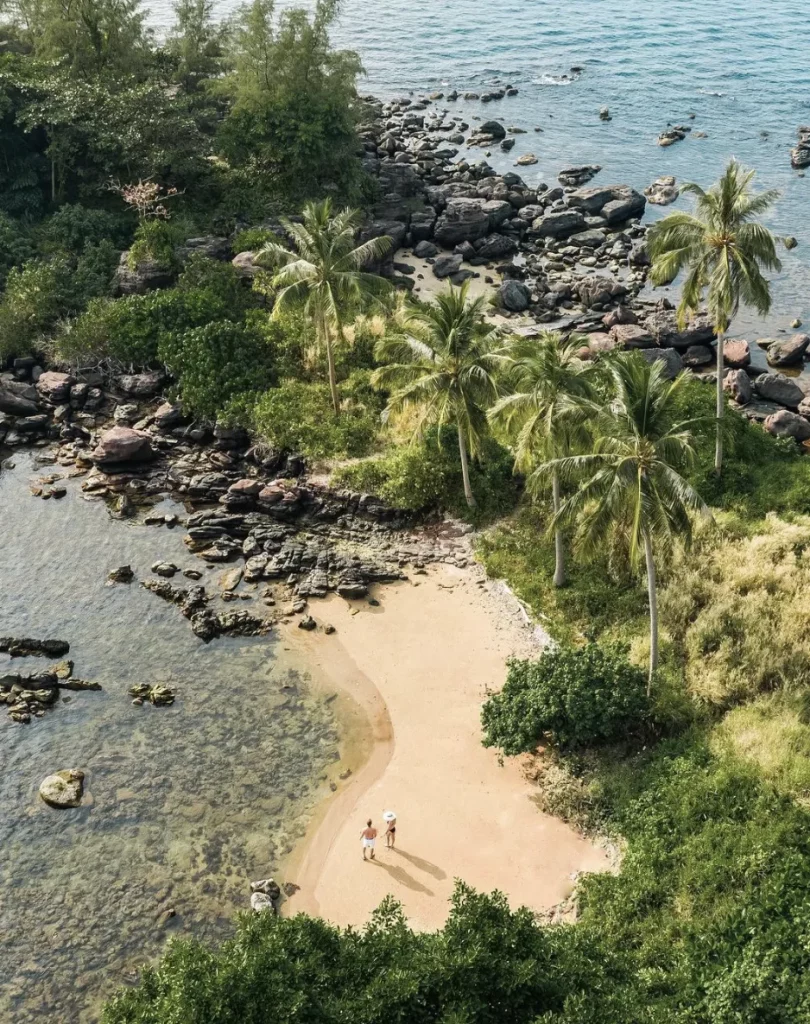
instagram@jwmarriottphuquoc
As the Vietjet A321 traverses the ominous clouds above the mainland and approaches the runway in the Phu Quoc center, I am immediately mesmerized by the view of the verdant landscape against the azure ocean. Stepping out of the petit international airport, a JW Marriott grey minivan awaits, and I am chauffeured with comfort all the way down to the southern tip.
Sitting on the prime strip of the Khembeach, JW Marriott Phu Quoc, designed by Bill Bensley reincarnates an imaginary university and breathes whimsical faux histoire spell to allure the hotel guests into a chronicle of fantasy. The accoladed architect has not designed merely a colorful resort but conjured a fanciful town, a whimsical place of Portofino version of Hoi An.
Facing the powdered sands and sapphire waterfront, the hotel is converted, so the Bensleynarrative goes, from the crumbling campus of a colonial academic institute, named after the important French naturalist Jean-Baptiste Lamarck, founded in 1880 and which lasted till 1940 when Vichy Indochina yielded to Japan occupation.
Now, the once-deserted site is reborn with wit and style. The cocktail bar is transformed from the fictional chemistry department building; the gym and other activities are run out of the former but nonexistent department of physical education. The Bensley humor and narrative never fail to amuse me or fellow history aficionados. The spa scores full points, apparently, there could have been no such department of fungi.
Wit
The arrival is blissful and efficient. I am absorbed into the mood for pampering adventurism and high design when I step into the monochromic Indochinese-style reception. Magnificence, magnum, mass, all these maximalist vocabularies surface before I am whisked to the suite by the ocean. A golf cart ride eludes me all the fictional historical facts and transports me into a turquoise heaven in the department of architecture building. As usual, it is a suite.
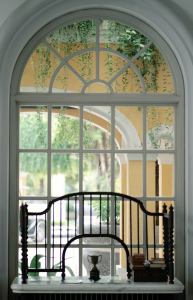
Of the 244 rooms, the most preferred turquoise suite radiates Tiffany blue glamour and suits for a glorious, king-size summer escape. The nautical hue and Indochinese colonial blanc ease the Guccisimo whimsicality of the JW Marriott Phu Quoc. The spacious patio and the soaking tub turn out to be where I have spent most of my leisure time. Another sparkle of design is the double rainforest showers in the sleek marble wet room.
The wardrobe is too tiny, though. It is a universal Bill Bensley phenomenon that the vanity area design never meets my expectation for a vain hierarchy to carry certain attires too whimsical for a weekend escapade. And again, the loose switch panel layout remains dubiously coherent from the Siam in Dusit down to the JW Marriott in Phu Quoc. Services are excellent and personal. Hotel guests are encouraged to sign up all different activities and experiences, from Vietnamese coffee making to lantern crafting in all sorts of artful Bensley-themed venues. The full array of dining options entices me not to venture beyond the synthetic university campus and the town of the JW Marriott Phu Quoc.
Woolley
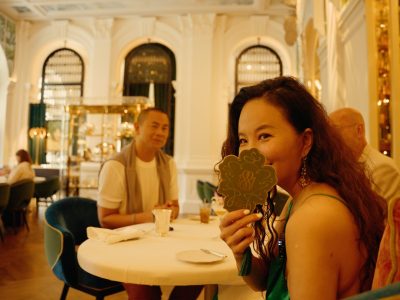
I push open the doors of the French & Co., the resort patisserie that reminds me of the Story House of the Siam, and order an ultra forte Vietnamese coffee. The general manager John Woolley, or the dean of the Lamarck, joins me for a casual Sunday morning chitchat. “The fantastical and fictional nature of the JW Marriott Phu Quoc is mesmerizing. The joyful whimsicality is uplifting, and the hotel guests can really explore the beauty and joy in the relaxing ambience the team and I endeavor to create. It is a genuine experience.” To the question how he feels like to become a Bensley GM, he shares his view. “I continue being surprised by the creativity of Mr. Bensley. And it is a once in a lifetime experience for me. The owner of JW Marriott Phu Quoc, the Vietnam-based Sun Group, will open up more Bensley hotels, so stay tuned.”
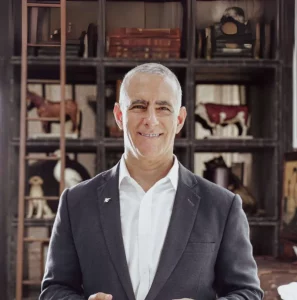
John Woolley
Unlike any of my previous resort experiences, the JW Marriott Phu Quoc embraces hilarity and levity, and therefore guests can be released from the millennial digital norms and social network pomposity. It is truly liberating to return to the nature and be like a child, an experience can hardly be delivered in Hoian or Hanoi. I sip my coffee and continue my reverie.
Cover:Joseph Wan
Photo:Joseph Wan/instagram@jwmarriottphuquoc/marriott.com
Cover:theworlds50best