Legend
When I first flipped and read the novel, Murder on the Orient Express by Agatha Christie, and again as I watched the superb film adaptation starring Johnny Depp years later, I was intrigued by the lavishness of it all.
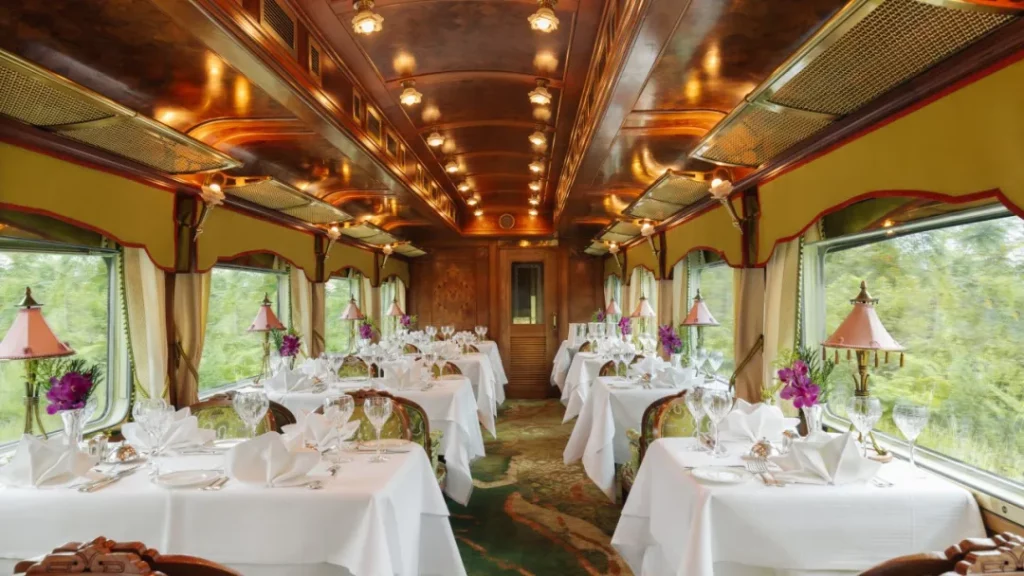
Opulent, classy decor; mannered speech and glamorous attires; extravagant meals, unparalleled services, and facilities – being on board a train like that with a handful of affluent strangers seemed like something I’d never get closer to than in the pages of the fiction realm I’d grown so fond of in my childhood.
The Eastern & Oriental Express was launched in 1993 as the first train to transport passengers between Singapore and Bangkok, a decade after the sister train, Venice Simplon-Orient-Express, journeyed eastward from London to Venice. The storied history of the name is reflected in the beautiful design and finish of its carriages, originally built in 1971 in Japan for New Zealand’s Silver Star sleeper train, and extensively refurbished two decades onward.
Today, a total of 15 carriages, including eight sleeping cars, two restaurant cars, a bar car, and the observation car, offer accommodation divided into three cabin styles:
the cozy Pullman Cabins with twin beds, slightly more spacious State Cabins, and the indulgent Presidential Suite, which offers free-flow champagne throughout the trip.
Malayan Tiger
After a four-year hiatus, the Eastern & Oriental Express returned to the rails this February following a glamorous facelift, offering two brand new routes exploring Malaysia’s great outdoors.
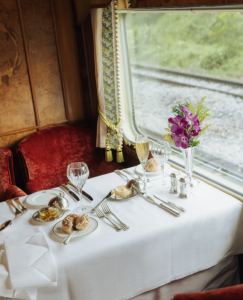
The Wild Malaysia itinerary, also the favorite route of the current Eastern & Oriental Express general manager Valentin Waldmann, rides on the Jungle Railway north through the peninsula’s interior to the primordial jungles of Taman Negara.
Then the train doubles back to the more traveled line up the western coast, bounds north to Kuala Lumpur and the quaint, delectable Penang, before the homeward leg down to the coast of Johor.
“During the pandemic years, the team and I explored the jungle and the seaside of the Malay peninsula. These new routes are tailored for the discerning guests to experience the epitome of adventurism and epicurism in the most indulgent settings on board. Excursion in the Malayan jungle led by the seasoned zoologist during the day, and follows the incomparably delicious soiree with the brand new menu by Andre Chiang. This is definitely the best way to explore Malaysia.” says Valentin Waldmann.
Author:Joseph Wan
Photo:Joseph Wan/imdb.com/belmond.com
Cover:theworlds50best