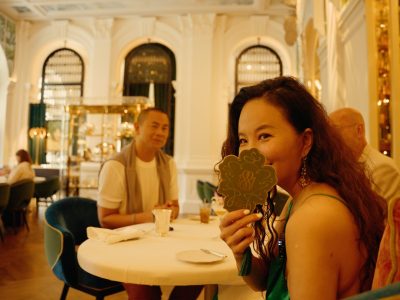
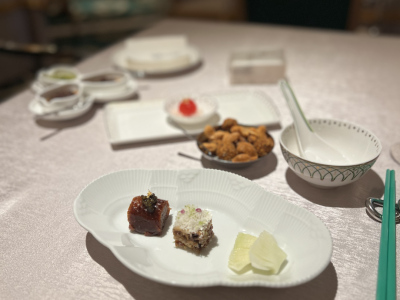
On my first visit to Vivant since it received its Michelin star, the dining room was full and alive with movement. It felt as though the restaurant had secured a place at the forefront of Shanghai’s rising French fine-dining scene. Vivant was busy yet composed, with none of the rigidity of a fixed performance. The front-of-house team was elegant and assured; the cooking was precise, the mood relaxed. We passed between two walls of wine, then an open, silver-toned kitchen, before sitting down beneath a retro arched ceiling.
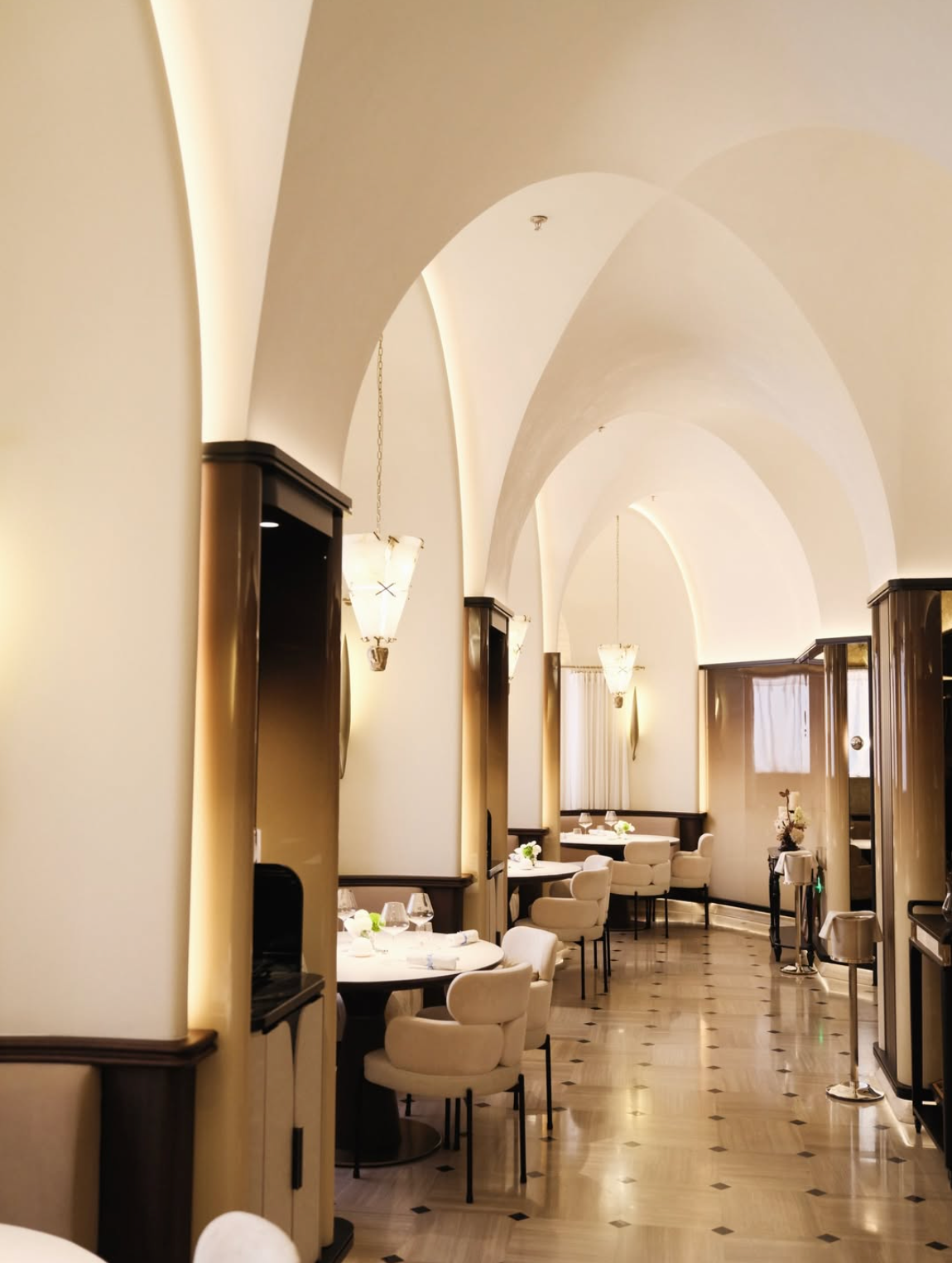 Vivant's Interior @vivant_shanghai
At a glance, most of the diners seemed to be regulars. Beside us, a family appeared to be celebrating a birthday; on the other side, a couple on what looked like a first visit sat amid a thousand roses; at the bar, a serious solo diner was fully absorbed in the food. That range of guests says something important: this is a restaurant that wins people over on merit.
In French, vivant means “alive”. The name almost says everything the restaurant wants to say: food, service and wine. What remains in the memory is the company at the table, the conversations that evening, and the one dish that suddenly made the room feel lighter.
Three Places, One Culinary Compass
Johnny Pham’s culinary education did not begin at a famous school, but in his family’s restaurant. After his grandmother moved to France, she opened a Vietnamese restaurant in Lyon, and everyone in the family had to help. He grew up watching the flames in the kitchen and started with small tasks such as rolling spring rolls. Because his mother was busy with work, she taught him a few dishes so he could begin preparing dinner before she returned home. Seeing him recreate the flavours she remembered made her happy; that feeling gave him an early reason to become a chef.
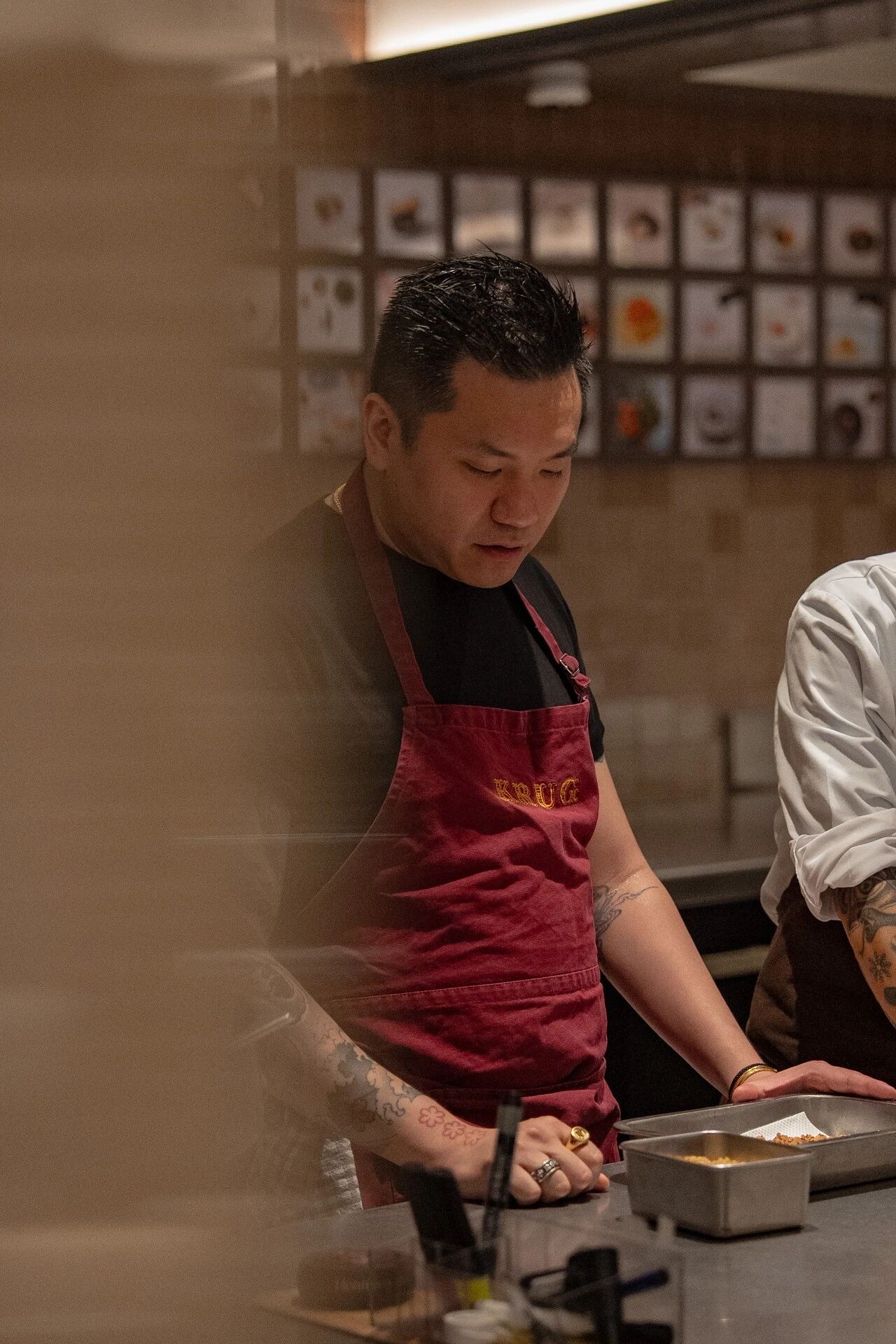 Vivant's Chef Johnny Pham
At fourteen, he went to work in a Michelin-starred restaurant in Lyon. He became accustomed to the pressure of the kitchen and fascinated by the pursuit of precision. Lyon taught him tradition and fundamentals: only with a solid foundation do you earn the freedom to change things. Without it, your style can easily lose coherence, until eventually you lose sight of yourself.
Later, he revisited his Vietnamese heritage and, by now, has spent roughly a third of his life in China. Born in France, raised in a Vietnamese family and shaped by China, he gradually came to see those places as a triangle. It is not a deliberate collage but cooking that has grown naturally from his life: French technique provides the frame, Vietnamese memory gives it direction, and Chinese ingredients allow it to take root.
Beginning with “What Do I Want to Eat Right Now?”
When Johnny talks about creating a menu, he begins with appetite. He asks himself: if I were the guest right now, in Shanghai’s heat and humidity, what would I want to eat? Perhaps a bowl of cold noodles, a little clarified tomato broth, and a glass of champagne to let the body slow down. Because he starts with something he genuinely wants to eat, he also knows more clearly where the dish should stop.
This helps explain why Vivant’s summer menu uses so little dairy, leaving space for herbs, acidity and clean, refreshing textures. The ingredients remain luxurious, but the flavours do not have to feel heavy; you leave the table satisfied, then feel light again an hour later.
Johnny has also allowed the restaurant to evolve slowly. He knows that anything too unfamiliar tends to receive either a zero or a perfect score, with little room between. Vivant began relatively “conservatively”, then introduced more Vietnamese elements little by little, so that returning guests were not merely observers but participants in the restaurant’s evolution.
Start with the Tasting Menu
I like how simple and direct the menu is. One page contains the complete tasting menu; another, Chef’s Corner, clearly lists the additional dishes. Everything is immediately understandable. On a first visit, especially for diners with smaller appetites, I would recommend following the tasting menu as it stands: its portions and rhythm already form a complete experience. If one particular dish is irresistible, choose it from Chef’s Corner — but be honest about how much you can eat.
These are not symbolic tasting portions; each extra dish has real presence. Johnny says that if a guest has gone out of their way to order something, he does not want to serve a needlessly miniature version. A dish should be generous enough to live up to that expectation. At the same time, he is candid: leaving food unfinished will not offend him; he would rather guests save room to enjoy the whole menu. That almost domestic generosity sets Vivant apart from fine-dining restaurants that miniaturise everything into precious little portions.
How a Meal Learns to Relax
The opening Langoustine pairs a crisp-fried langoustine with green curry mayonnaise, with lemon-marinated watermelon hidden beneath. The shellfish is plump and sweet, its coating dry and crisp. Pick it up and dip it in the sauce: it is the kind of French finger food that relaxes you in a single bite. This unexpected opening sends expectations soaring and leaves you wanting more.
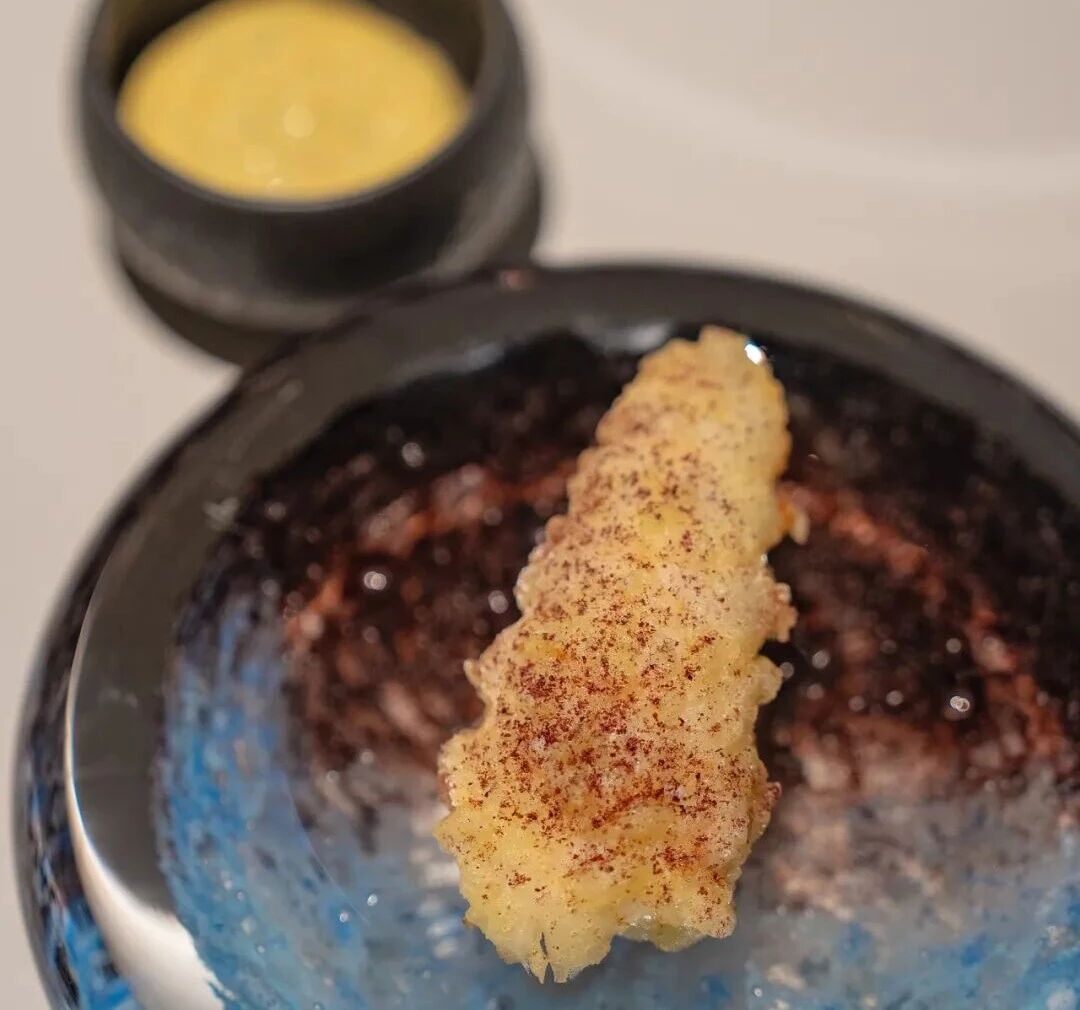 Langoustine
Next comes Sweet Shrimp & Uni, a cold noodle dish. In a cold, clarified tomato broth, botan shrimp is seasoned with Suzhou shrimp-roe soy sauce and topped with sea urchin and shiso. I am not always drawn to Japanese inflections in French cuisine, but Johnny reminded me that eating sea urchin and other seafood raw is commonplace in Lyon. The dish is therefore also connected to the flavours of his childhood there.
Bò Lá Lốt, Johnny’s favourite Vietnamese street food, wraps Australian short rib in wild betel leaf before grilling it over charcoal to produce an almost assertive aroma. Char and beef fat arrive first; then the sweet-and-sour Vietnamese sauce, rice noodles and herbs underneath pull the flavours back into focus. Pickled red and white radish provide the finish. It is immediately appetising.
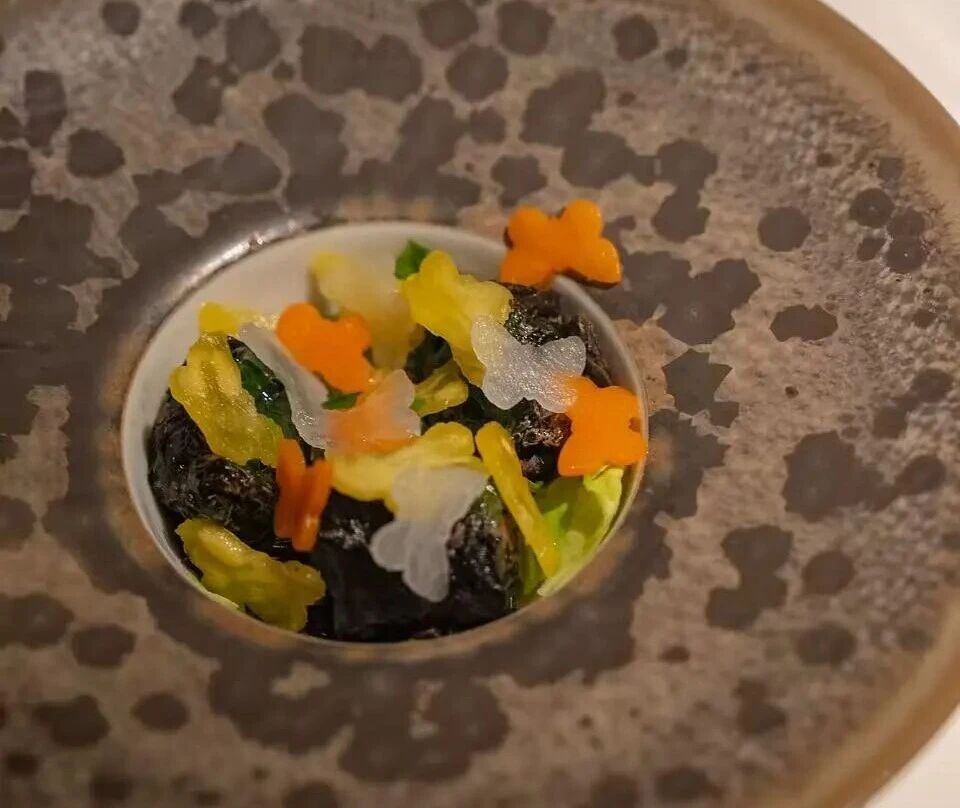 Bò Lá Lốt
Beyond the Tasting Menu: Two Showstoppers
The Chef’s Corner bowl of “Phở” King Phở is almost comically large, like a basin, but the true surprise is the broth. It is not the clear, spice-led phở many people expect. Built on beef stock, it is reduced to such depth that the colour alone seems to have weight. Star anise and fennel are immediately apparent, yet the seasoning is exact: rich but never cloying. There are rice noodles and beef tendon in the bowl, but only half a beef meatball, as if to save a little room for what follows. Herbs and condiments arrive on the side, giving each diner control over the final flavour. It is still phở, but with a far deeper foundation.
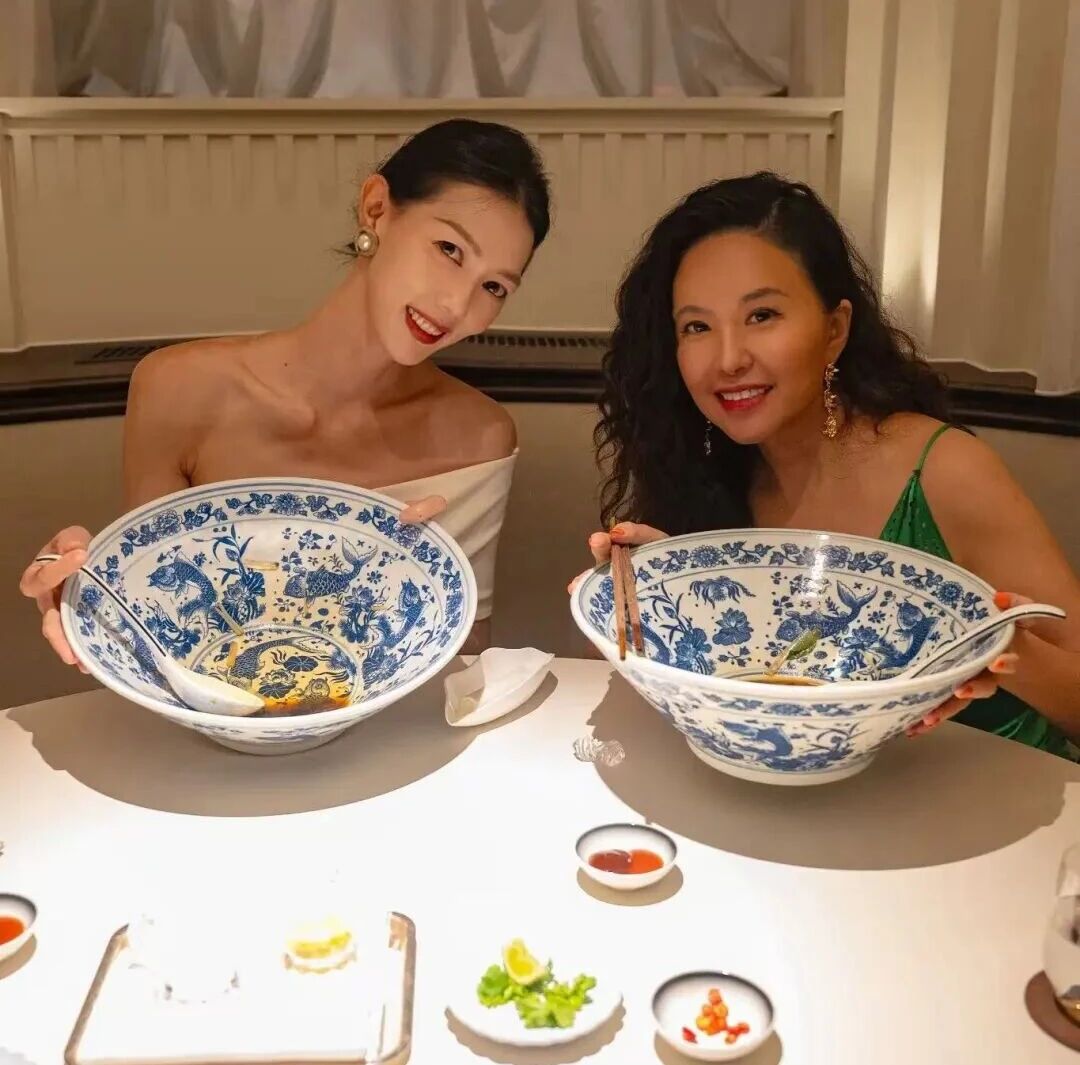 Phở“King Phở”
The other add-on we tried was VFC (Vivant Fried Chicken), made with Qingyuan chicken from Guangdong. It looks like a straightforward piece of fried chicken, served with a rich house-made tomato caramel sauce; the meat is exceptionally fine-textured and tender, the cooking exact, and the seasoning surprisingly restrained. Then the heat gathers at the back of the palate, making it immensely satisfying to eat. Johnny ran more than two hundred tests before arriving at this version. From the choice of chicken to the precision of the crust, everything is held to the restaurant’s highest standards, yet the dish deliberately arrives in the most approachable form imaginable. Neither of these dishes is a mere snack to fill a gap in the tasting menu. Share them with the table — and order with care.
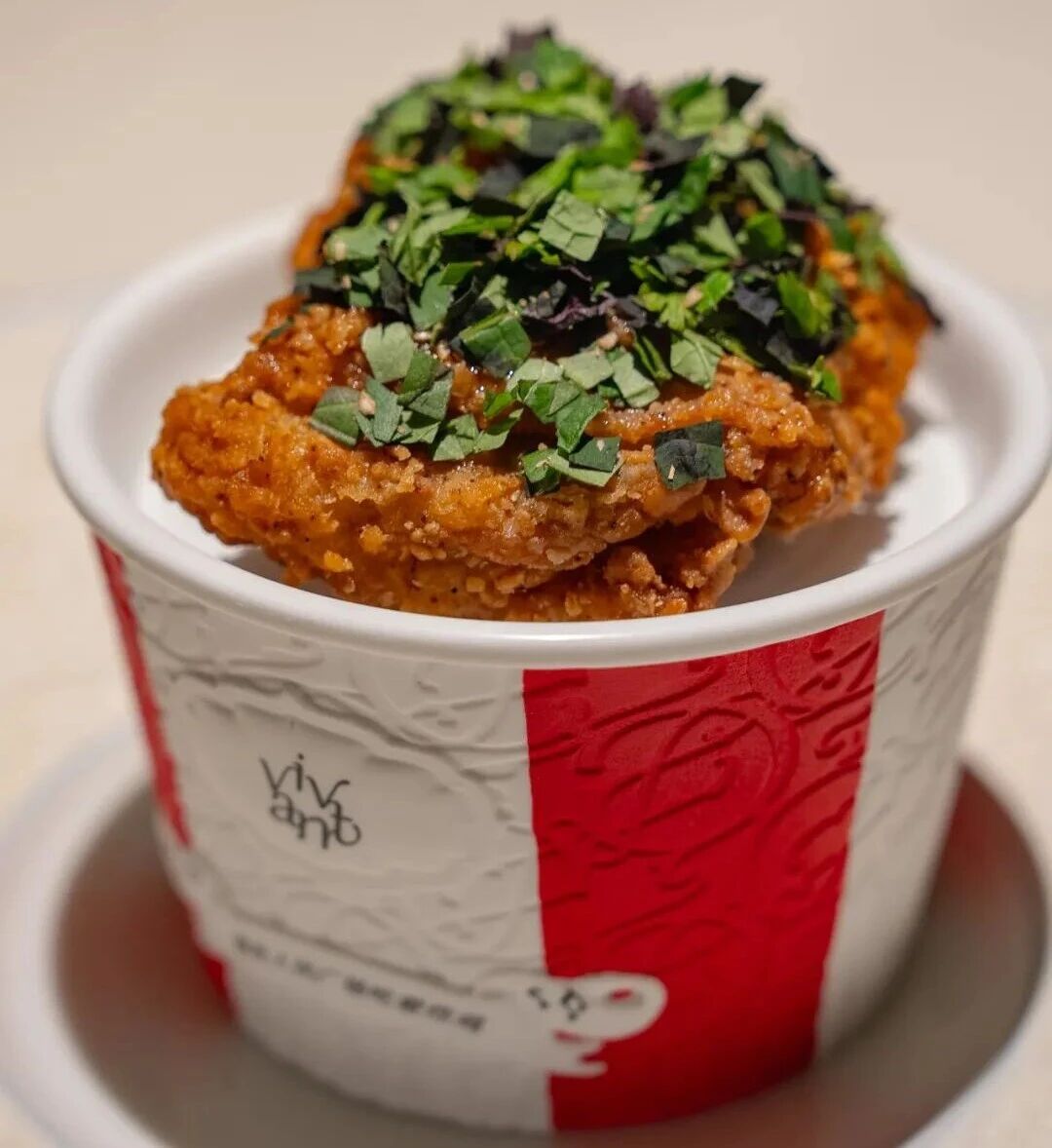 VFC (Vivant Fried Chicken)
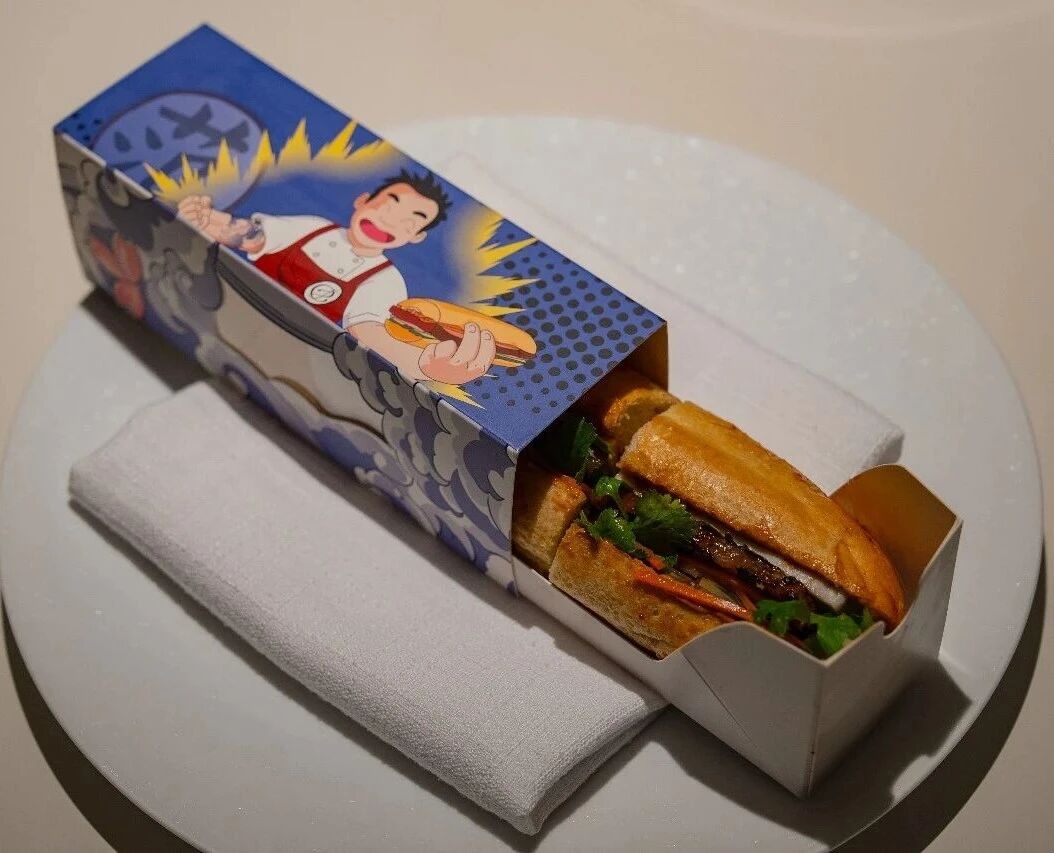 Vivant "Banh Mi"
French Technique, Grounded by a Bowl of Rice
The first main course is French Turbot. Clams and shallots sit on top of the fish; the sauce contains fish maw and razor clam, with seaweed beurre blanc linking a French structure to Asian flavours. The surface of the turbot gleams, the centre remains translucent, and the fish is cooked with near-impeccable precision. Milk Fed Baby Lamb, meanwhile, is assembled like a puzzle: a chop covered in crisp lamb fat, tenderloin, three meatballs and a skewer of lamb shoulder. They are accompanied by North African chermoula carrots, lemon sauce, yoghurt, a satay-inflected white sauce and cucumber. Different cuts and textures spread across the plate, yet a smoky charcoal-grilled flavour draws them together. The complexity and craft of these two dishes feel worthy of a Michelin star.
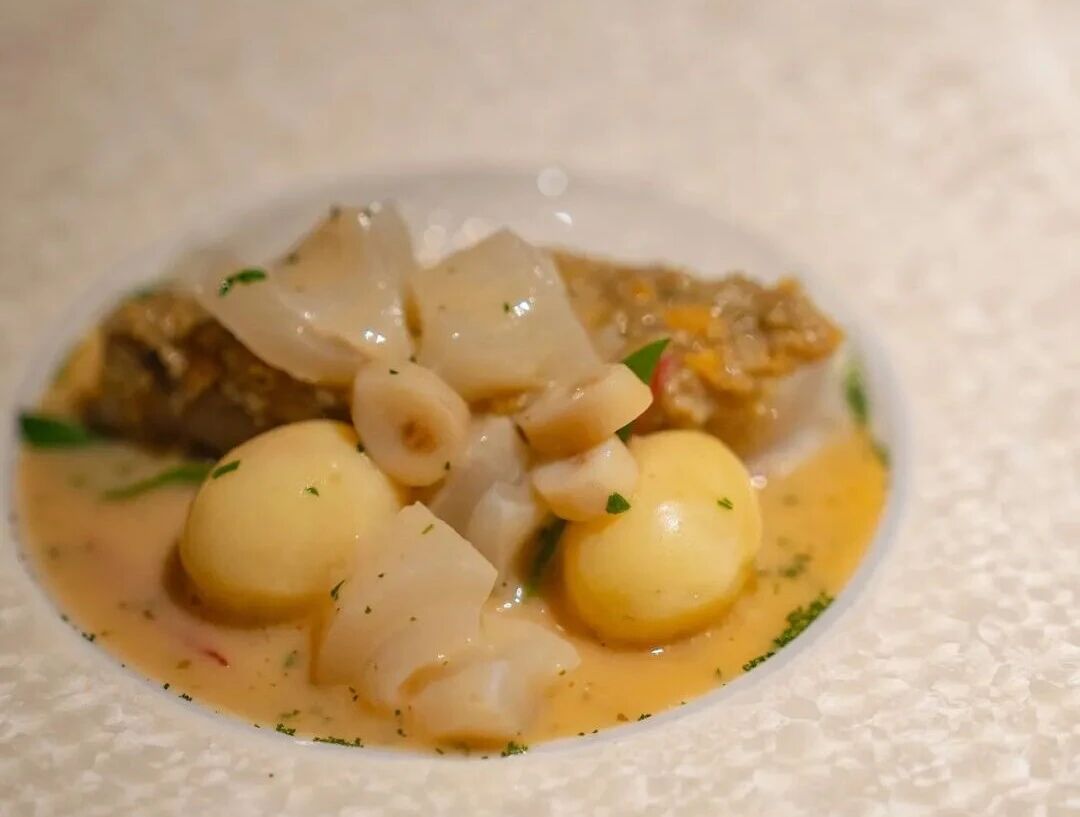 French Turbot
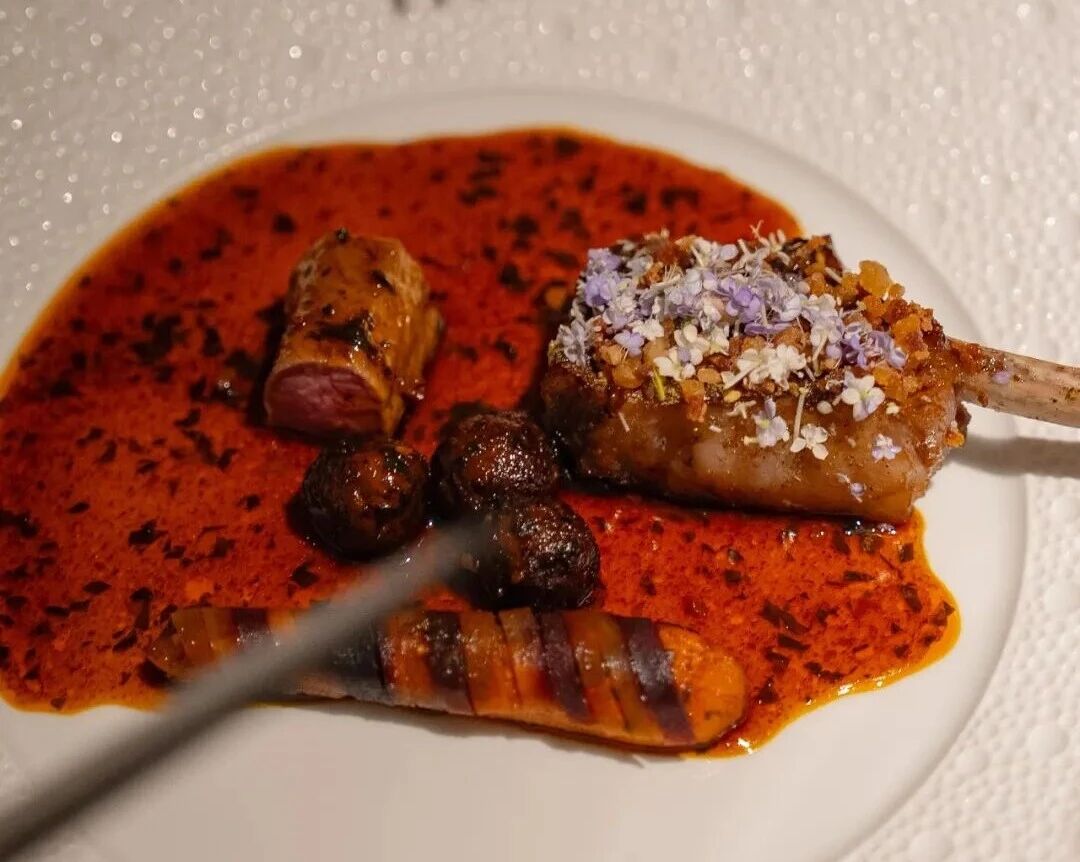 Milk-Fed Baby Lamb
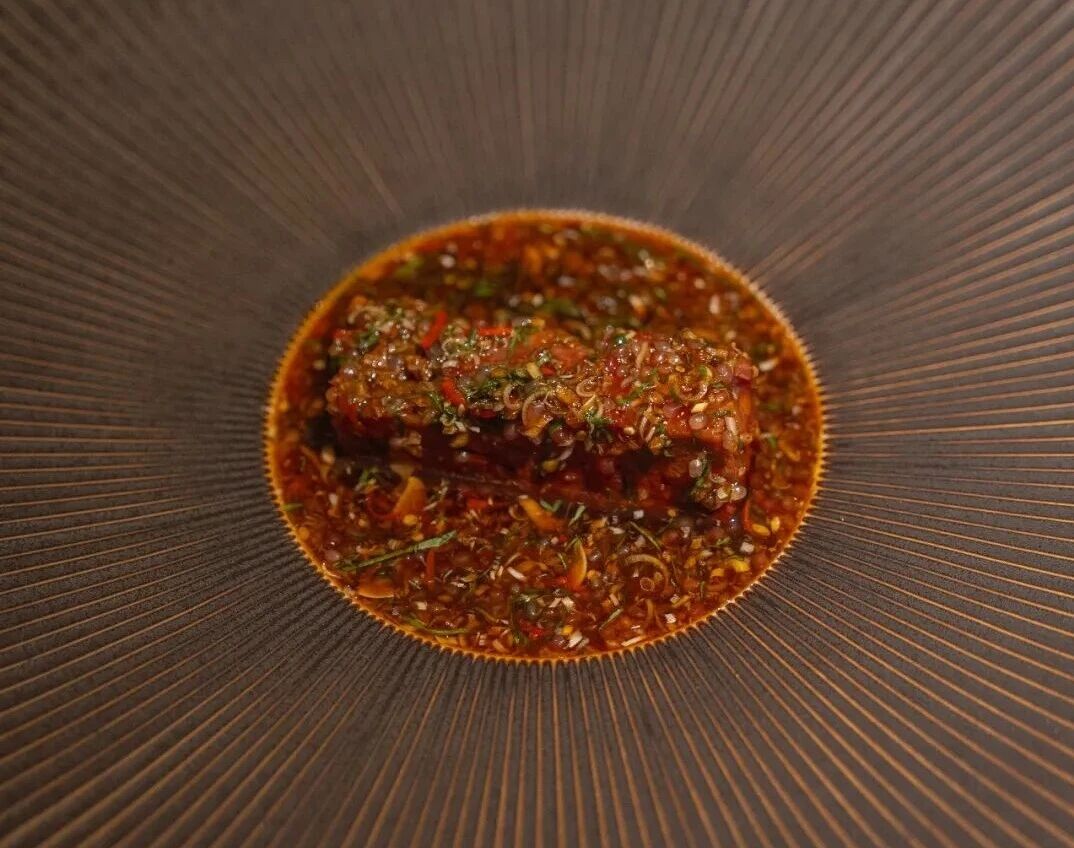
The final main course is a slow-cooked Australian Wagyu short rib served as Ocean Beef. Tender but not collapsing, it arrives in a sauce strewn with lemongrass, finger lime, bird’s-eye chilli and coriander. The depth of beef comes first, followed by the brightness of South-East Asian aromatics; tiny beads of finger lime burst in the mouth, opening an escape route from richness. It is the kind of main course that is difficult not to love: substantial, yet never oppressive.
 Ocean Beef
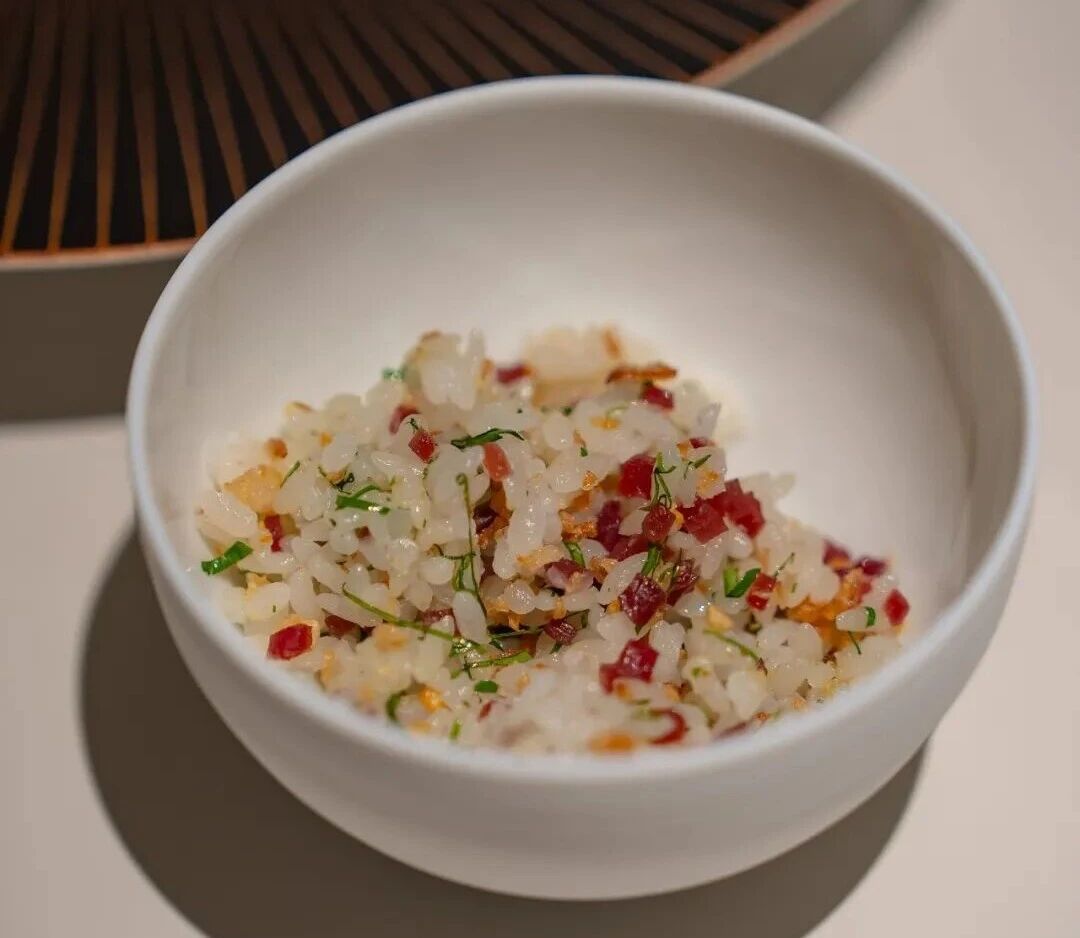
What grounds the dish, however, is the bowl of rice from north-eastern China beside it. The steamed rice is mixed with crisp garlic, garlic oil, air-dried beef tenderloin and strands of coriander. It is deeply aromatic, yet still tastes unmistakably of rice. Although I was already full, I kept eating until not a grain remained; for a bowl of rice, that is more persuasive than any adjective. This is not a supporting character but the final anchor of the tasting menu — a place where all those far-travelled flavours can finally come to rest.
Vivant Means Alive
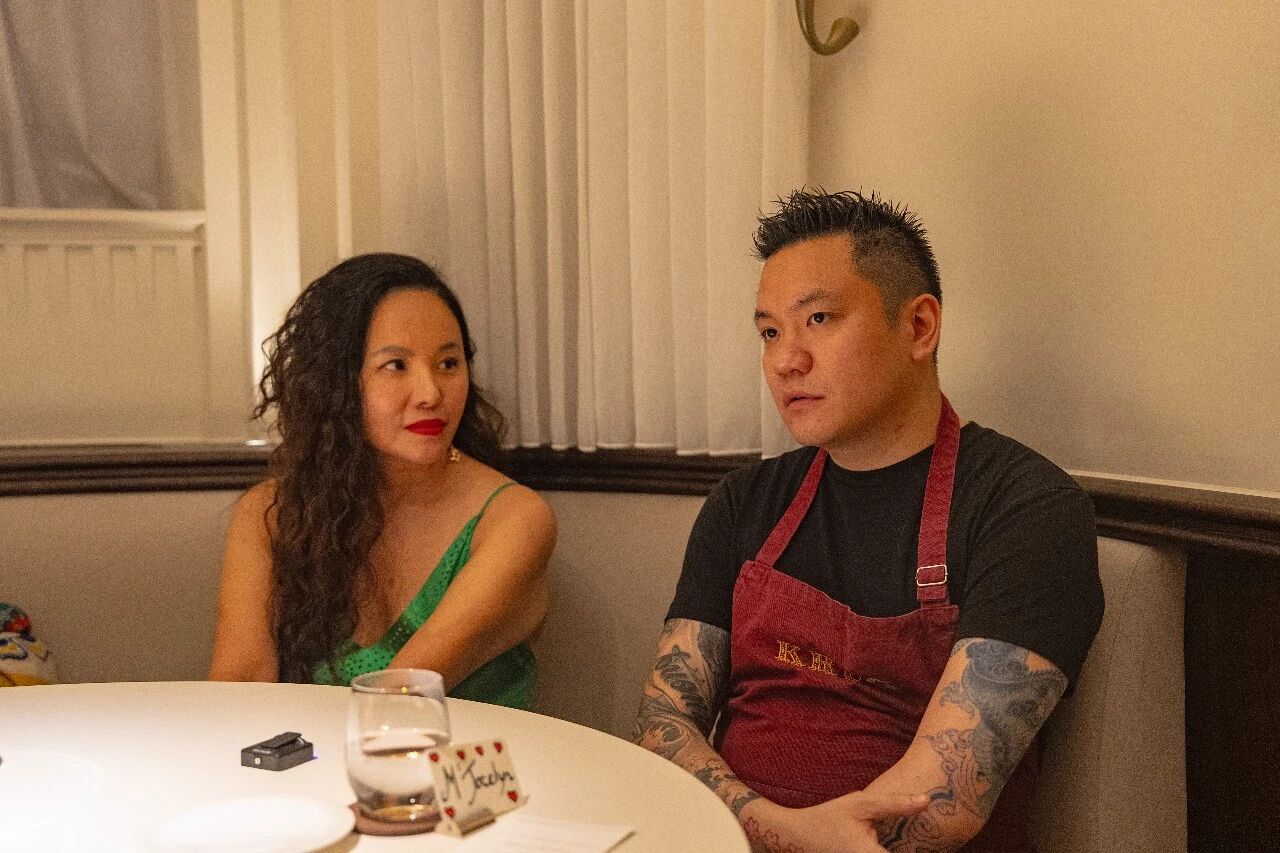
Johnny says people may remember only one or two dishes. Much later, what remains is who sat beside them, what they talked about and how often they laughed. Vivant does not force every table into the same experience; hospitality is adjusted to the mood of each group. The restaurant is in no hurry to demonstrate technique or tell a story. It lets guests eat first and ask questions later — a blessing for anyone tired of endless explanations.
 Jocelyn(left)& Vivant's Chef Johnny Pham(right)
That may be the most accurate footnote to the meal: good fine dining never makes you conscious of how hard it is working. When I left that evening, I simply felt that I had eaten exceptionally well, and I was happy.
Only then does the name Vivant truly make sense. How good it is to be alive!
Author: Jocelyn 華姐
Photo Credit: Daniel Tsang / Instagram @vivant_shanghai