There are places you pass by and places you stop for, and Pietro Zito's Antichi Sapori is certainly the latter.
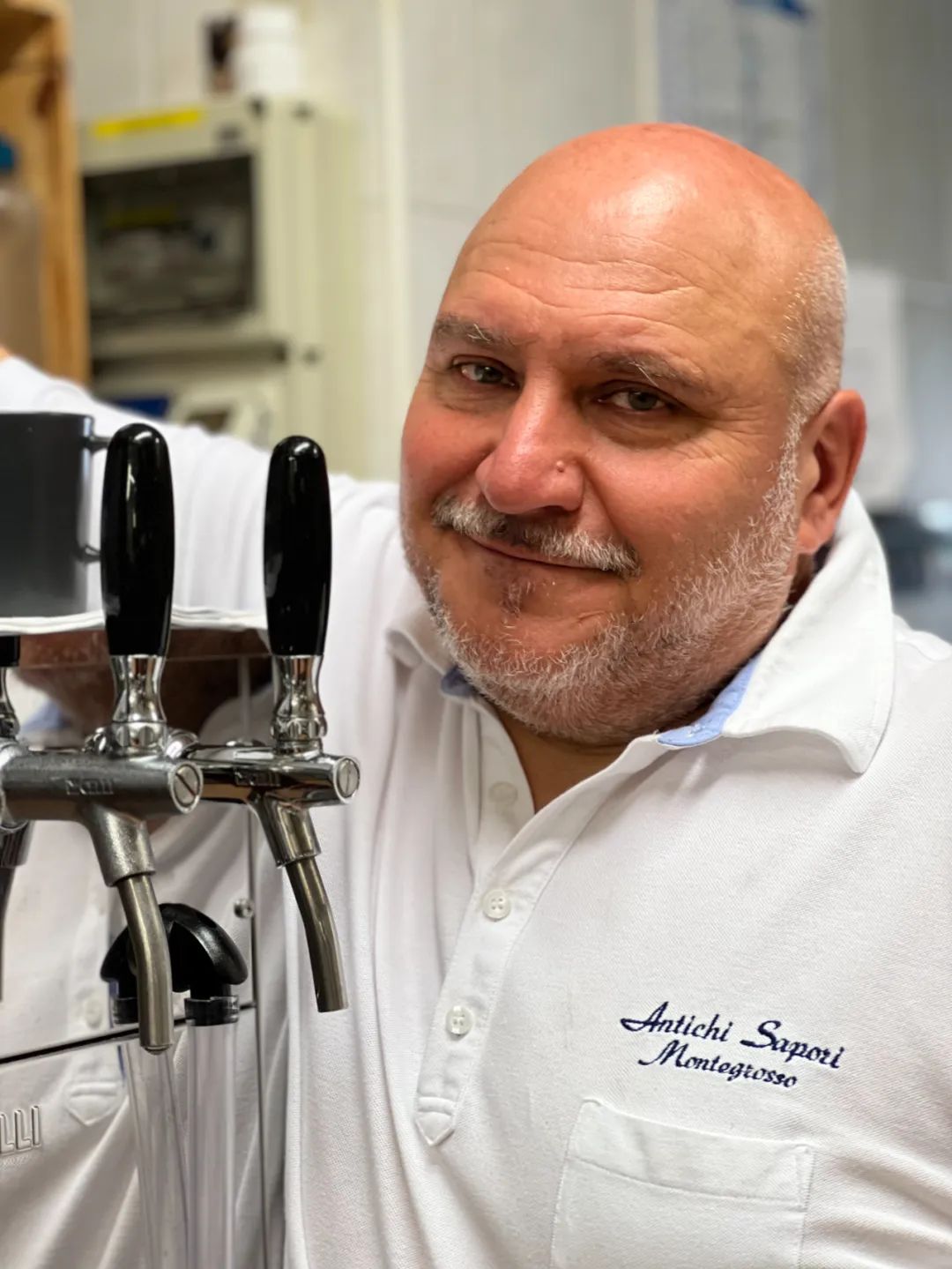
Pietro Zito doesn't like to call himself a chef. The culinary culture that he proudly inherited from his grandmother and parents has laid the foundations for a farm garden where he picks vegetables and grows herbs. He also selects the best dairy products from the surrounding area.
This is how the story begins: Antichi Sapori is a traditional Italian restaurant run by a third-generation farming family in Puglia, the heel of the boot-shaped country. Most ingredients in its cuisine come from its own farmland or from local suppliers. How did Pietro Zito become a chef? He says it all started with hunger and willingness to succeed in the restaurant business.
 antichisaporimontegrosso_instagram
The sprawling farm was like a flourishing, flowering sanctuary compared to the less vibrant surroundings. The restaurant champions simple cooking with an emphasis on vegetables. The term "soul food" which originated in the 1960s is a style of cuisine that is associated with African Americans in the Southern United States. We eat what we see here and Pietro Zito's food is soul-stirring. The restaurant has become a place to worship good food in the community and is constantly fully booked. So it may be very difficult to get a table for the first visit.
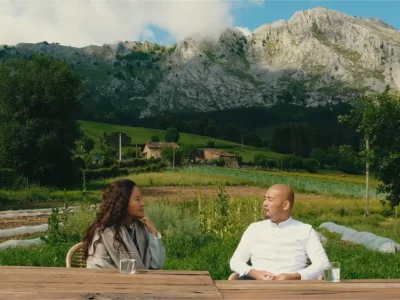
An hour's drive away from the regional capital of Bari, the restaurant is located in the small town of Montegrosso where ancient architectures and rural villages add to its patina of age. It is away from everything and even from the highway. The drive to the restaurant reminded me of the movie scene from A Fistful of Dollars. Despite being in the middle of nowhere, Pietro Zito has been able to brighten up the wild fields by honouring ancient flavours. But let's go back to the early 90s when even in this charming corner of Puglia it wasn't easy to open a traditional restaurant committed to vegetables.
Walking into the restaurant was like a throw back in time as I saw used pots and skillets hanging on the wall. In the evening everyone coming in was well dressed up for dinner. I arrived at 4 in the afternoon when there were some diners still finishing up their lunch. Pietro kindly offered us a slow-cooked pork dish, saying it was all that was left at that time of day. But the charred, juicy pork with vegetables was nothing “left” but the hero that saved my hungry stomach after a long day on the road.
Puglia is sunshine, land and sea
The restaurant grows most of its produce in their own garden, which they have been doing for 30 years, respecting nature and emphasizing vegetables and herbs in their dishes. Respecting the times of nature has become a culinary trend in Michelin restaurants around the globe. Perhaps because of cultural similarities, Antichi Sapori also has a twin restaurant in Tokyo, which was brought to Tokyo as it is by a Japanese investor.
The garden is at a stone’s throw, 70 meters to be specific, from the restaurant. Pietro showed us around and we were amazed at the vibrancy of the farm, like a jewel in the desert given the less exciting surroundings. Although Puglia is by the sea, the restaurant does not serve seafood. There was quality meat, such as donkey and horse meat, which may be less off the mainstream but in the past they were a good source of protein for people living in poverty. Even if the restaurant doesn't focus on seafood, the mild Mediterranean climate nurtures a delectable paradise of fruits and vegetables.
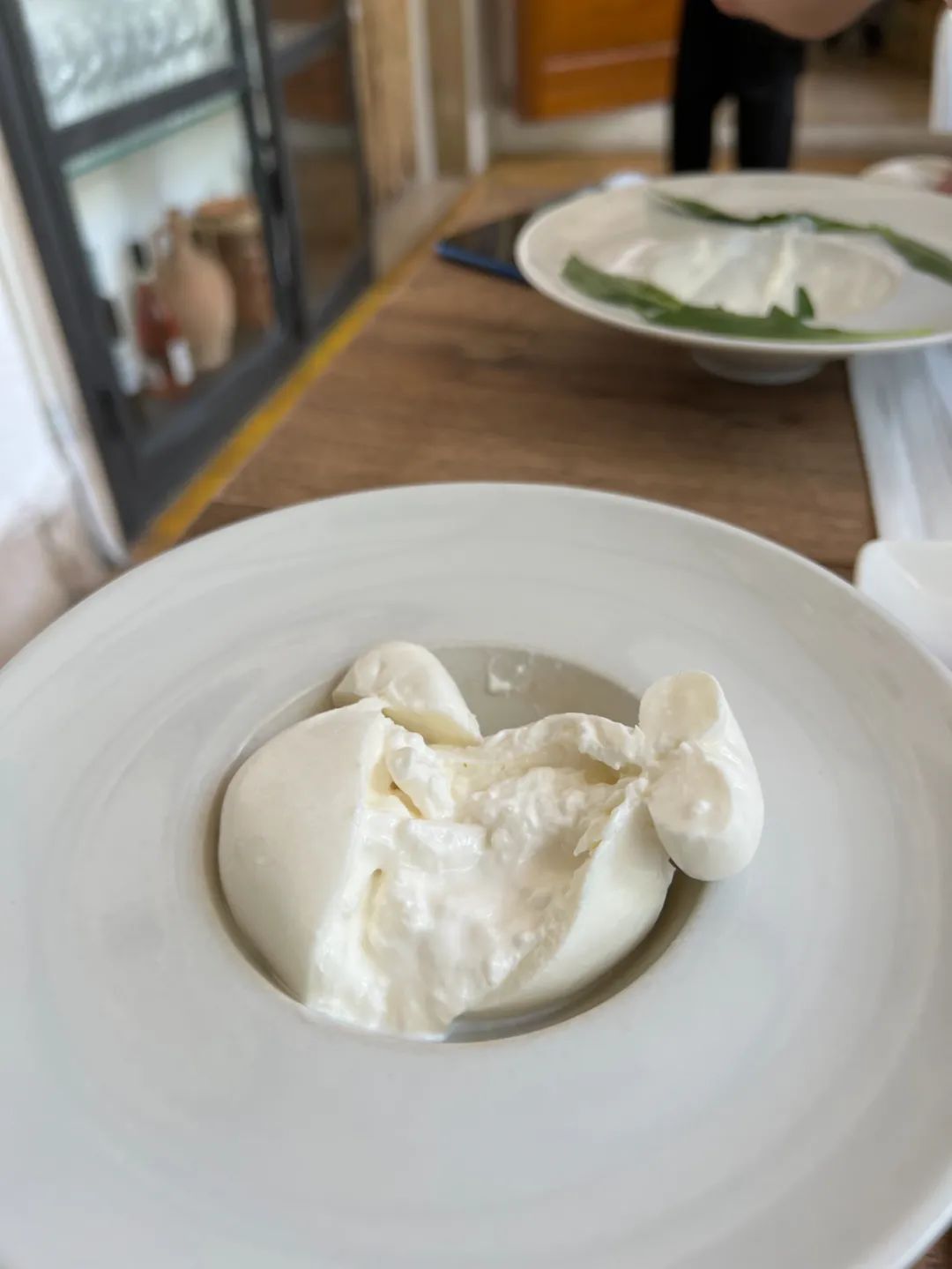
Cheese here is also outstanding. Burrata was first born in the nearby town of Andria. The next morning Pietro offered a generous scoop of fresh ricotta cheese, still warm when it arrived and almost sweet and soft as tofu. Served with candied celery, the heart-melting ricotta is definitely the best I've had in my life.
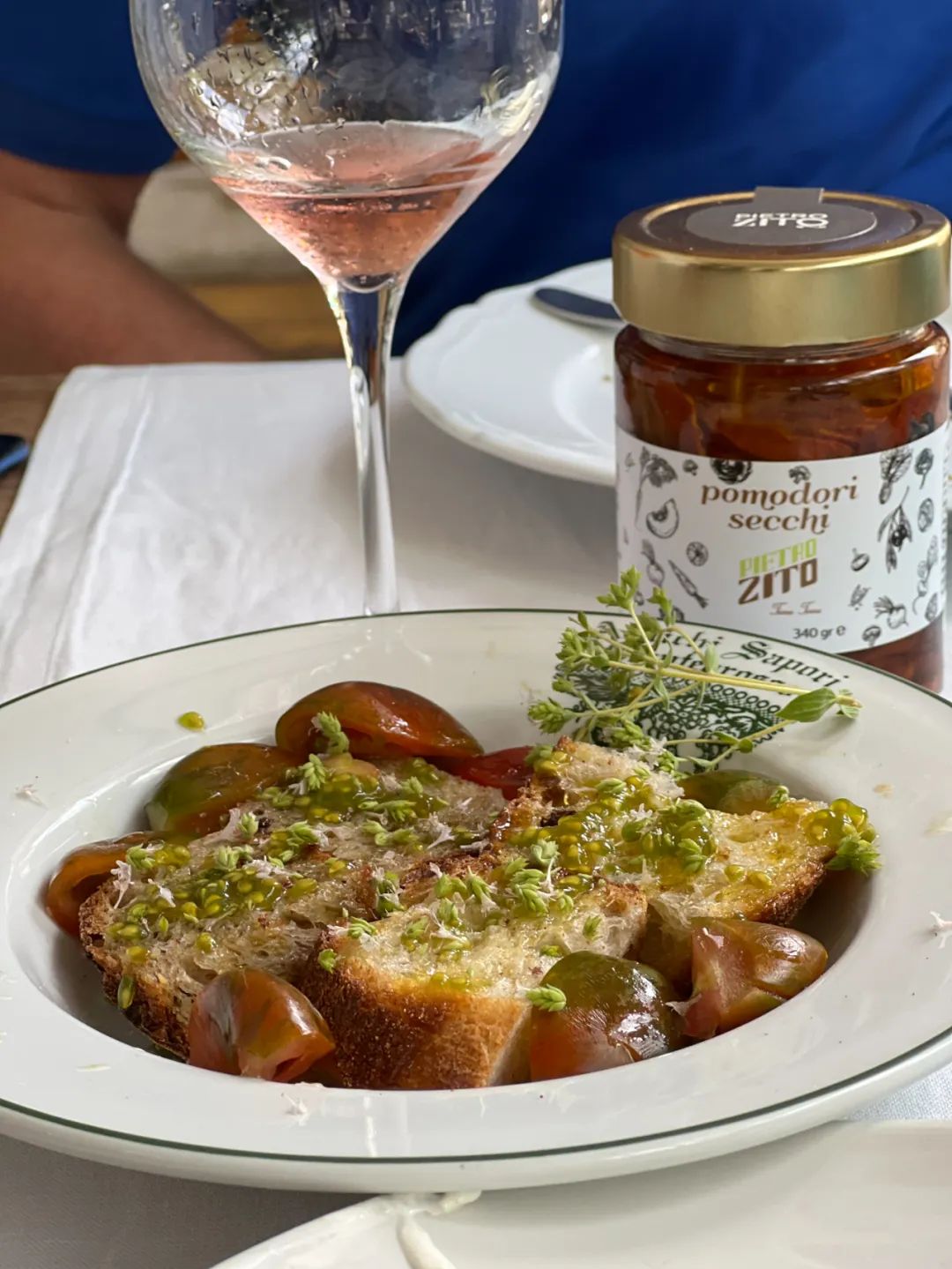
Even the pairing vegetables for pastas are homegrown, such as the perfectly roasted zucchini. Pietro prepares each kind of vegetable as one would with the most expensive seafood, because he believes vegetables are enough to make his dishes flavourful. The combination of hand-picked herbs, tomatoes and focaccia was already outstanding and further elevated by a drizzling of local olive oil.
Entry into the kitchen is not forbidden
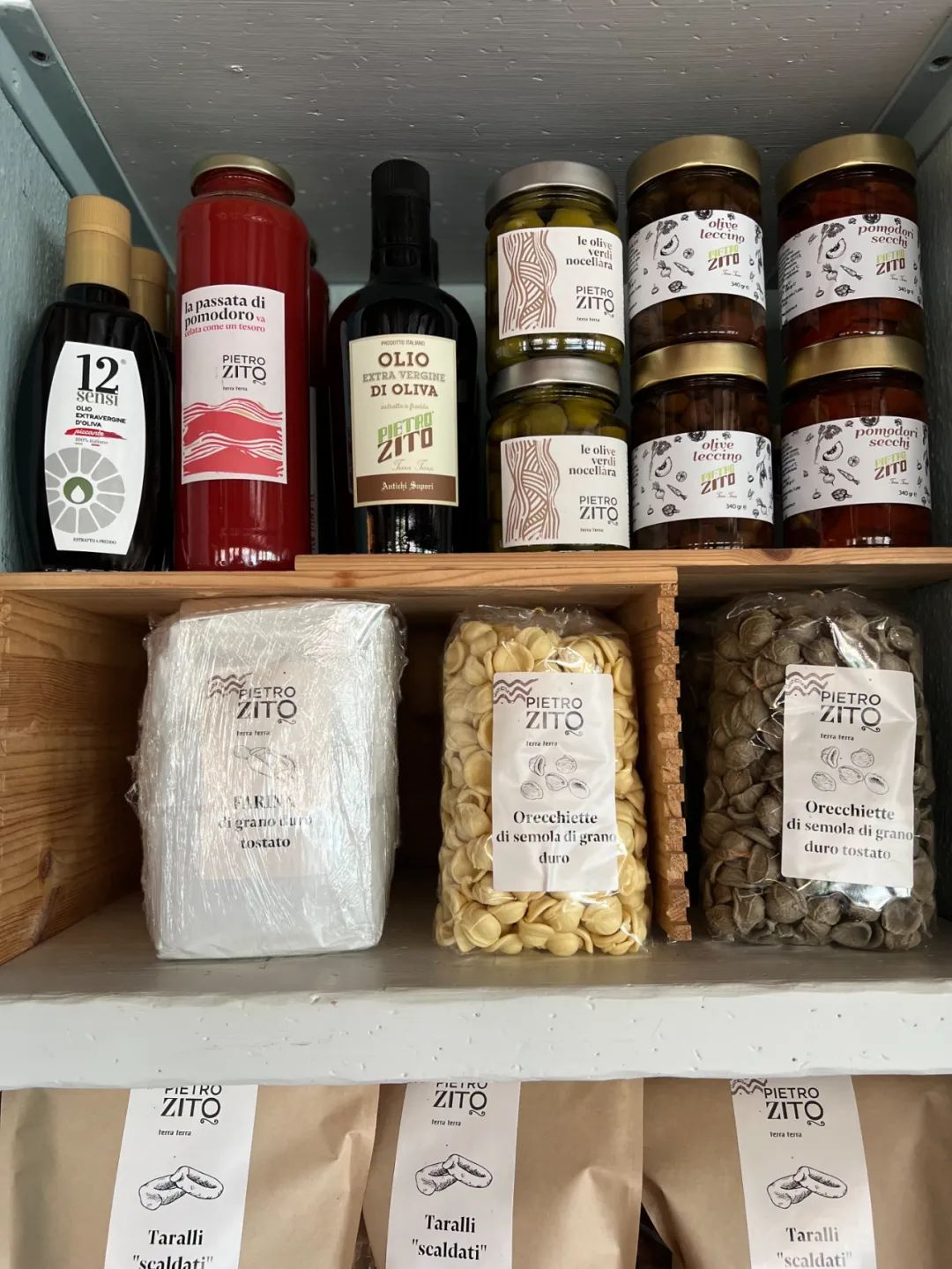
The restaurant also welcomes everyone to explore the kitchen, where almost all ingredients are made from scratch, including pasta, focaccia, desserts and more. The restaurant is home to all staff – they work from morning through the day and the impression is really that of being at home, among old friends who tell you the origin of each dish. You can watch the work of the chefs through a large window or just make a trip to the kitchen. Pietro believes that simplicity and authenticity are qualities that should not be kept hidden.
According to Pietro Zito, in the early days the restaurant's clients were mainly sales agents who were at work and passed by. He wanted to serve food that’s not heavily processed and does not sit heavy on the stomach, "they were forced to eat out every day and they deserved to enjoy a simple meal made with lots of vegetables and good extra virgin olive oil". Perhaps honesty and authenticity are the key to tasty cuisine, and isn't that all we need?
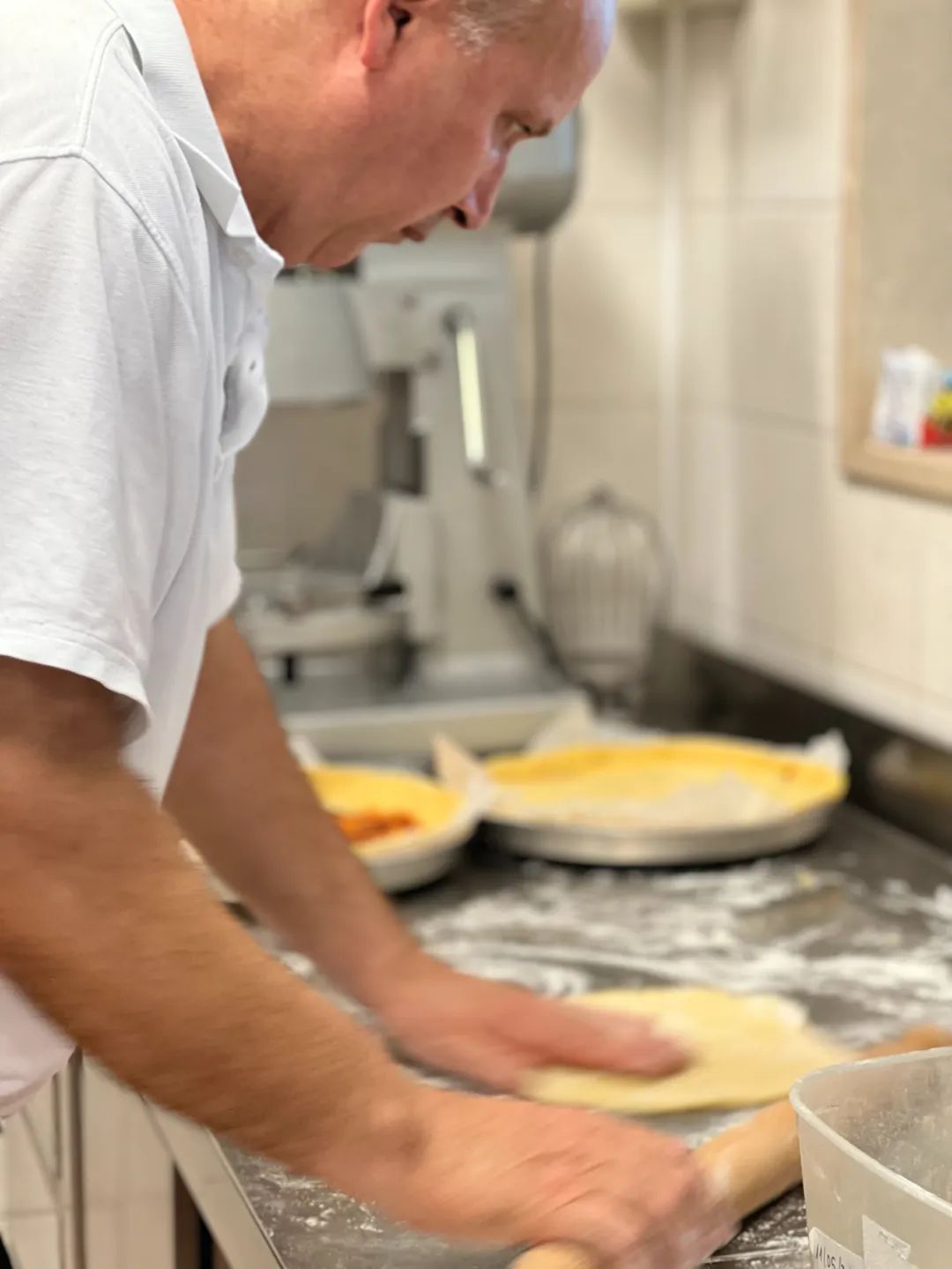
Pietro Zito is the veritable champion of trattoria cooking in southern Italy. But not as many people outside of Italy know about Antichi Sapori as you might expect, partly because of the remote location, plus it is almost fully booked by local regulars. It is a restaurant that exists for the community and has in turn transformed the village. For 30 years, it has created countless dishes that exemplify the simplicity and comfort of homestyle cooking and a miracle in the wilderness of southern Italy.
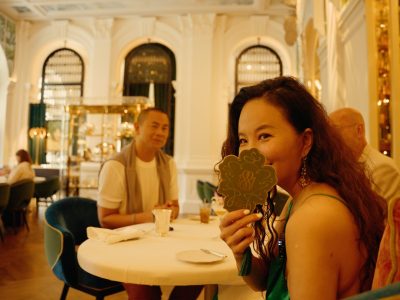
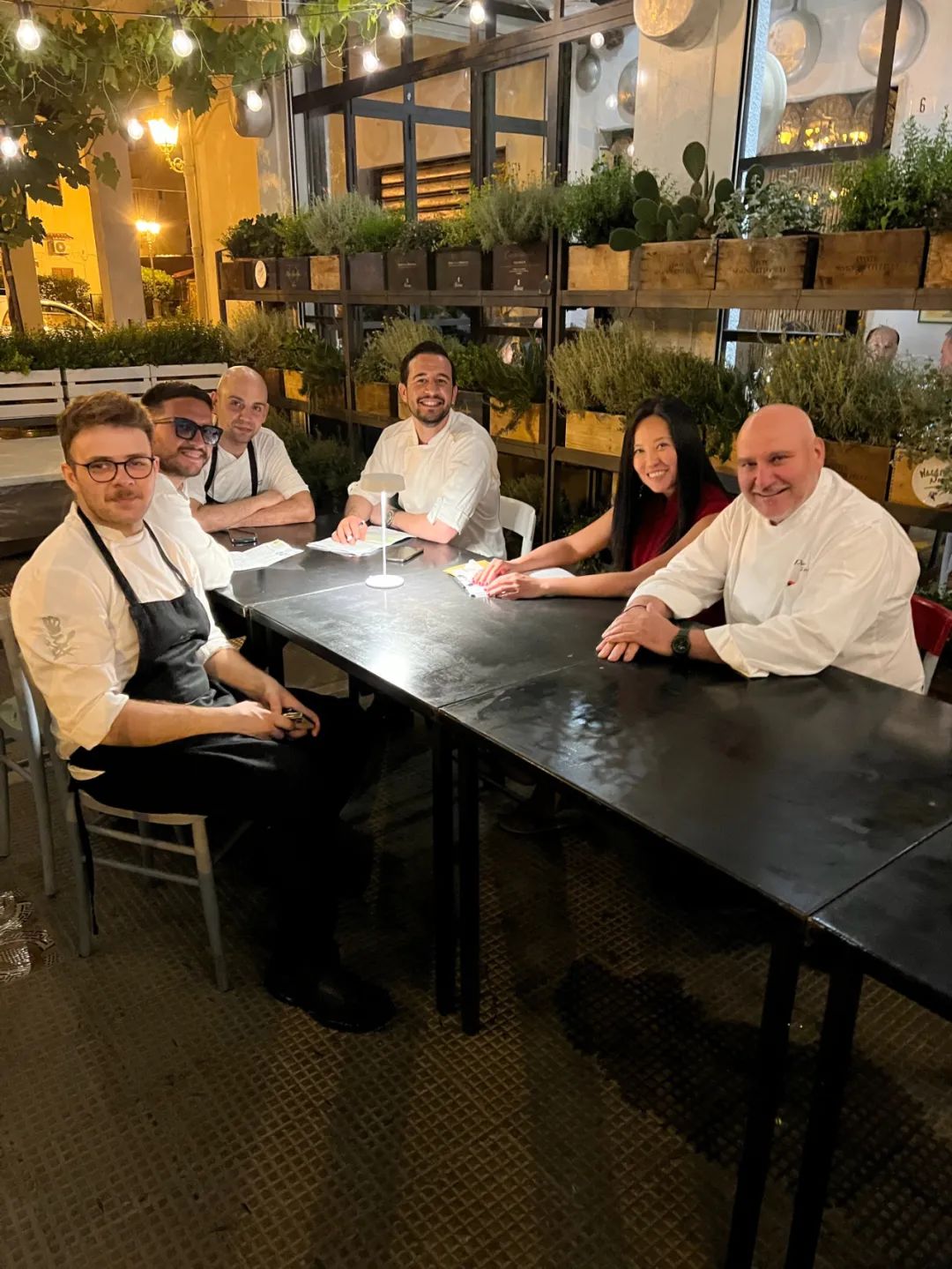 Jocelyn and Pietro Zito team
Author: Jocelyn 華姐
Photos/ Video : Jocelyn 華姐