The inaugural world’s 50 best hotel list surely results in frenzy among hoteliers and luxurious experience fanatics despite the wanting of novelty in view. The palpable optimism in Guildhall to celebrate the growth of post-COVID hospitality industry in mid-September will surely continue for some while. Yet the true impact of this collective, and formative collage of accommodations elected by critiques remains uncertain.
 @theworlds50best
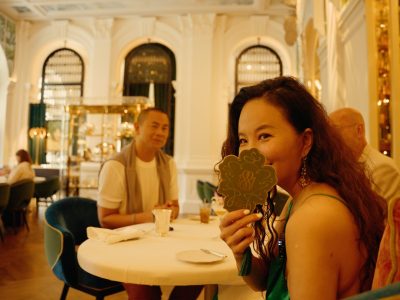
 The Author Joseph Wan at The Siam
Bangkok vs Paris
From the Siam to the Mandarin Oriental Bangkok, the riverside of Chao Phraya is favored deservingly. The choice by votes recognizes all the hoteliers’ endeavor to deliver extraordinary services and impeccable experiences.
Excellence in product matters, also versatility matters: a 38 units designer’s staple work of art urban resort juxtaposes perfectly with the 400 rooms 157 years grande dame. It is uplifting if such an eclecticism should continue to the future.
Also the list recognizes true talents behind the scene. The acclaimed hoteliers at helm of the Siam and the Four Seasons Bangkok, Mr. Nick Downing and Mr. Lubosh Barta, deserve such a distinction.


The Paris and London laureates, otherwise, transpire minimal surprise. Cheval Blanc Paris undoubtedly will soon join the palace hotel club de France. The NoMad London, however, Bloomsbury hippie poised, still irradiates the typical 19th century neoclassical flamboyance.
The dominance of ultra-luxurious hotels might not evoke further inspiration for discerning travelers either in design or in experience. The votes seemingly opt for imperialist whims than adventurous sojourns.


Rosewood vs Aman
A sense of the place, a triumph of the list, the polished Rosewood hotel group is the champion besides the metamorphic Aman Resorts. By rapid expansion in major metropolises, the Rosewood and the Aman awe the industry in their own maximal and minimal fashion.
 Rosewood Hong Kong
The acumen of the votes distinguishes the value of the list from Forbes and the Conde Nast traveler and fills the void. Yet, the controversy of such an unanimous recognition of these two transformed ultra-luxurious brands by votes lies in the ambiguity of service and identity coherence.
Whether Rosewood Hongkong and Aman Tokyo deserve the ranking, despite the mixed reviews, it might be just a matter of taste.
Beyond and Style
The favoritism of the votes inspires fierce discussion. Legendary individual establishments or emerging gems such as Royal Mansour and Nihi Sumba will undoubtedly be elected in the coming years. These hotels are the Mecca to hotel junkies as Central, Peru or Iris, Norway to gourmets. Also, certain taste of decor and interior is preferred:Andre Fu, Tony Chi, and Jean-Michel Gathy are noticeably verified by the list..
Ranking fluctuations and new entry of hotels in the upcoming year list are definitely an excitement for critiques and hoteliers. Brands accepting mileage or redemptions are mostly excluded by the votes, and such a phenomenon are benign and encouraging for individual hotels and future hotel owners.
Undoubtedly, the list will be the beacon for future travelers. As an hotel enthusiast who lives most of the life in luxurious hotels, I truly hope the list, sailing from luxurious accommodations, can eventually be a guidebook for an unparalleled experience or eminent lifestyle.


Author: Joseph Wan
Photo:Joseph Wan/Rosewoodhotels.com
Cover:theworlds50best